Economic Freedom Initiative (EFI) for Single-Parent Moms
Economic Freedom Initiative (EFI) for Single-Parent Moms
LFYO's Targeted Investment Campaign (2 of 3)
Press Play!
Highlight Video
Podcast
A behind-the-scenes discussion on the roots and offshoots of financial problems facing single-parent moms, with practical tips and proactive tools given for them to climb out of their economic rut.
Economic Freedom Initiative
How economic empowerment can serve as a much-needed catalyst for mothers taking care of their child(ren) on a one-day-at-a-time, solo-care mission.
Targeted Investment Campaign
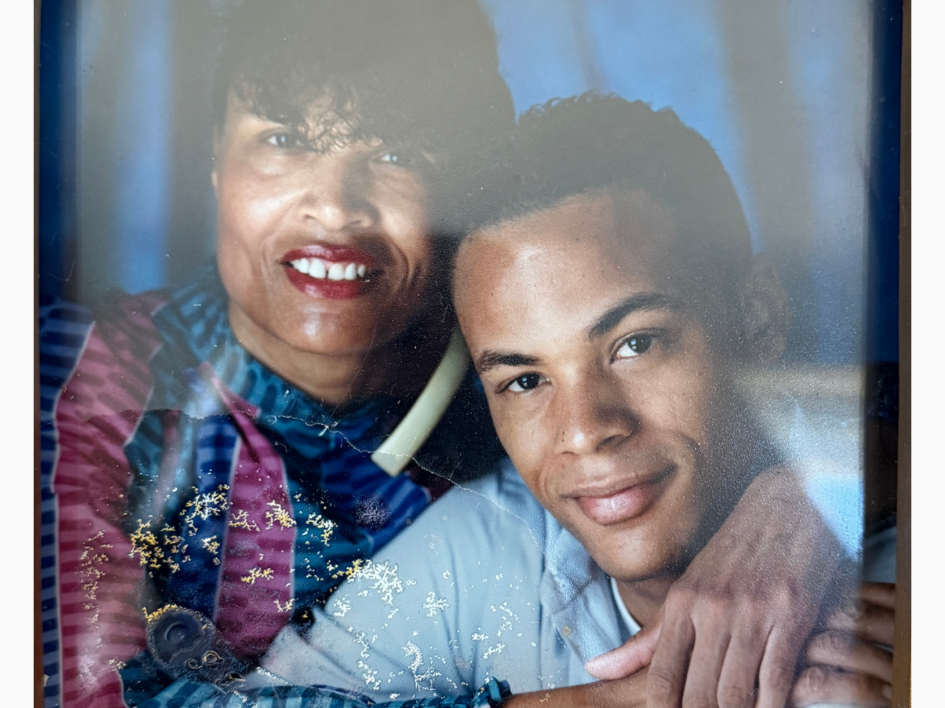
I have a confession to make. Yes, the residual effects of being a “momma’s boy” still impact me today. As a kid, I had no other choice but to wear this label with distinction. Laura Funderburke, aka Ma Dukes, had to fulfill two parenting roles although she was only equipped to handle one of them. I cried a lot in childhood watching my mom make ends meet by herself, taking care of me and my three older sisters in Central Ohio’s most dangerous housing project—Sullivant Gardens. Even with public assistance, Ma Dukes had it rough. Not surprisingly, I developed my care-concern-compassion filter in a female-dominated home through deep, self-reflective assessments. Looking back, the two biggest hurdles I now see that trip up single-parent moms (SPMs) the most financially are debts and doubts, debts that have accrued relationally with interest and doubts that prevent SPMs from fulfilling their economic potential. And I have a sneaky suspicion that the recurring doubts that many single-parent moms express internally could be causing their runaway debts financially. Credit card debt. Installment debt. Auto loan debt. College loan debt. Heck, even second or third mortgages, or an equity line of credit, on a home loan can have their roots in adverse childhood experiences (or ACEs). Before moving on, let me be clear: owing a debt is not the same as being owned by it.
"What's Your Relationship Like with Money?"
If you grew up like me and most of the single-parent moms LFYO serves, you probably have (or once had) a dysfunctional relationship with money. But you must go back there relationally to get free here financially. To that dark place or dreary space where your economic holdups, hangups, or hiccups began. Now, take a deep breadth; this will be hard to pull off but so needed to push forward. In fact, your financial goals in the future will likely miss the mark unless you develop an upgraded mindset and newfound skillset. Right now with your monetary affairs! I get it. The subject of money can disrupt our sense of balance, which is why so many of us sidestep the conversation when we’re triggered by the topic. We shut down. We get angry. We make excuses. Whatever the reason for our deflection, nothing improves financially until we’re willing to change relationally—how we handle money or how it continues to hold us (hostage in a state of bondage). To be free, we must lead with relational health before we benefit from financial wealth.
Anecdotally, here’s what I’ve observed over my 15 years in practice as a certified financial planner: Eighty to 90 percent of lingering financial problems in adulthood can usually be traced back to unresolved issues stemming from childhood. That relational burden with ______________ [name of individual(s)] years or decades ago could very well be the underlying factor behind, really in front of, your income-squandering, debt-accumulating, or even accomplishment-obsessing crisis today. And it’s dragging you from one problem to the next—like clockwork! Check this out. That mama drama might be causing your current money trauma. That paternalistic rift might be steering your monthly economic drift. Doesn’t matter if your mother or father has since passed because the emotional scars are still present. Alright, no more hiding from our financial boogeymen. Too much is on the line, the life we desire to live and the legacy we hope to give.
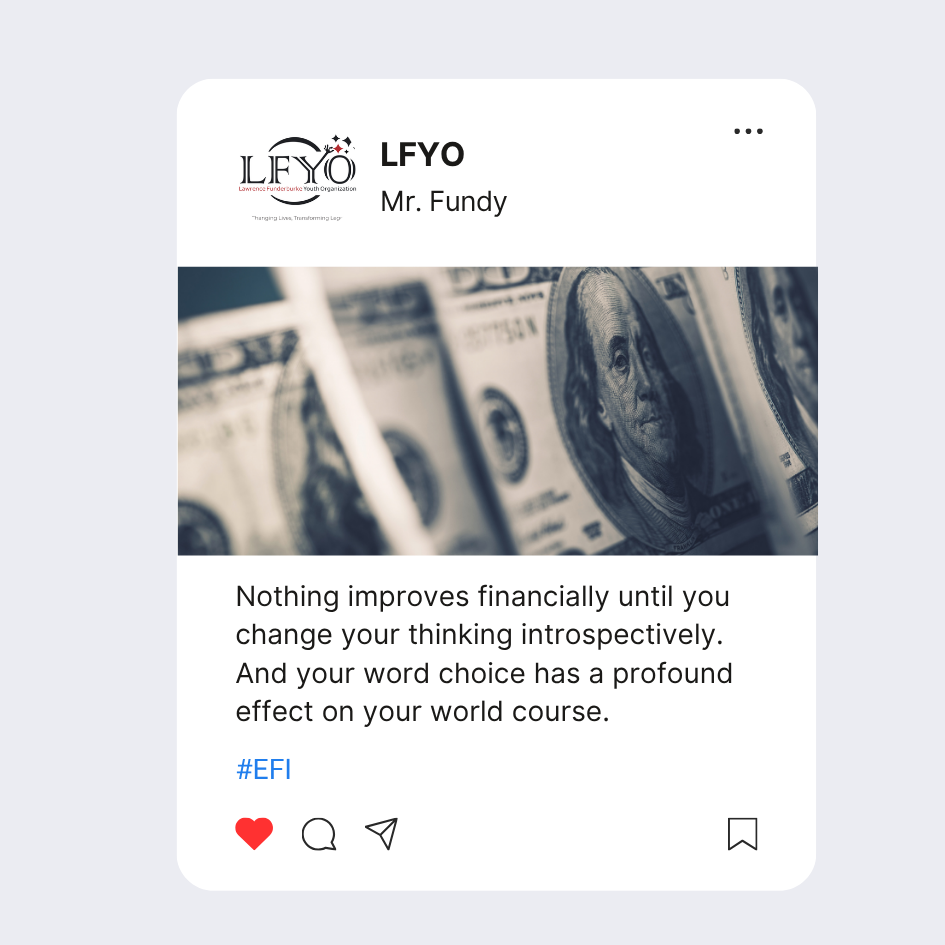
"Watch Your Mouth Girlfriend!"
I had a conversation recently with a single-parent mom regarding the power of spoken words, in particular, how a negative thought life drives (or is driven by) one’s emotive or punitive heart strife. To protect her identity, I’ll refer to her as “Serena.” In general, I will only interrupt a woman midstream in conversation for one of three reasons. Number one: She attacks, really denigrates, my character, competence, or credentials. Number two: She tries to monopolize the conversation for her individual benefit rather than our mutual gain. Number three: She drops subtle hints or obvious references that minimize her capability to break free from or move past a challenging situation. Outside of these three scenarios, the floor is all hers. (Sorry fellas, your conversational grace code is a lot more restrictive than the ladies.)
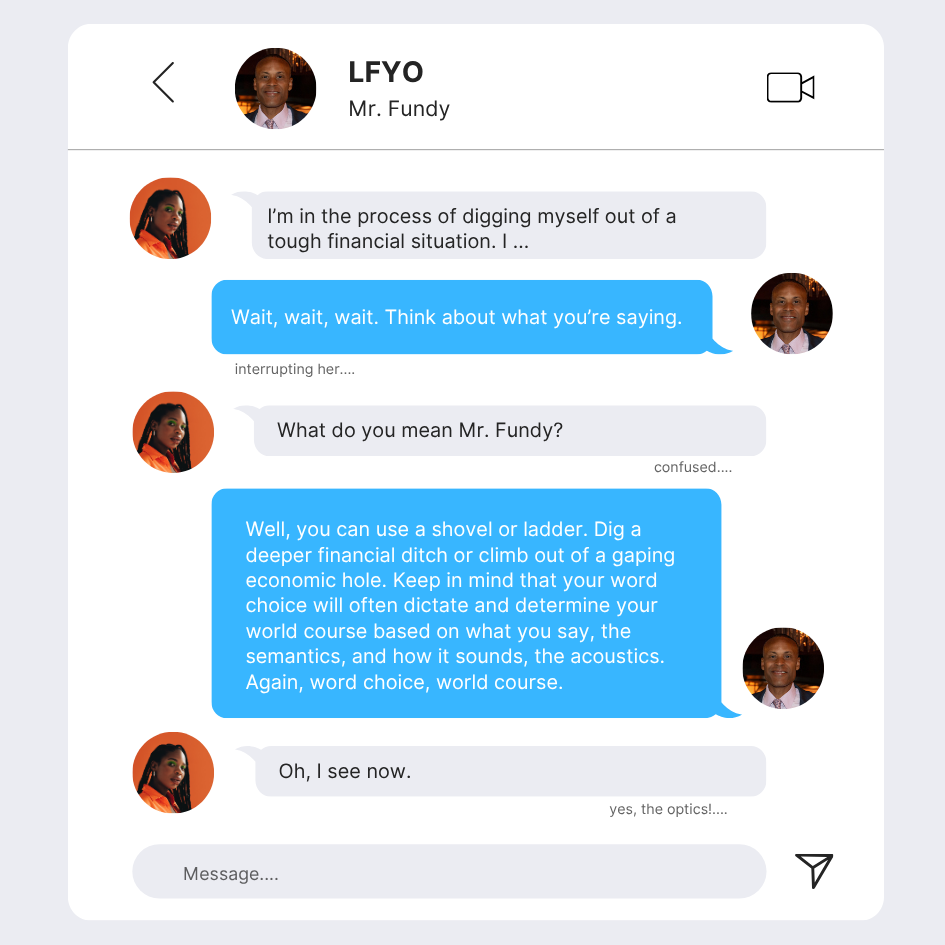
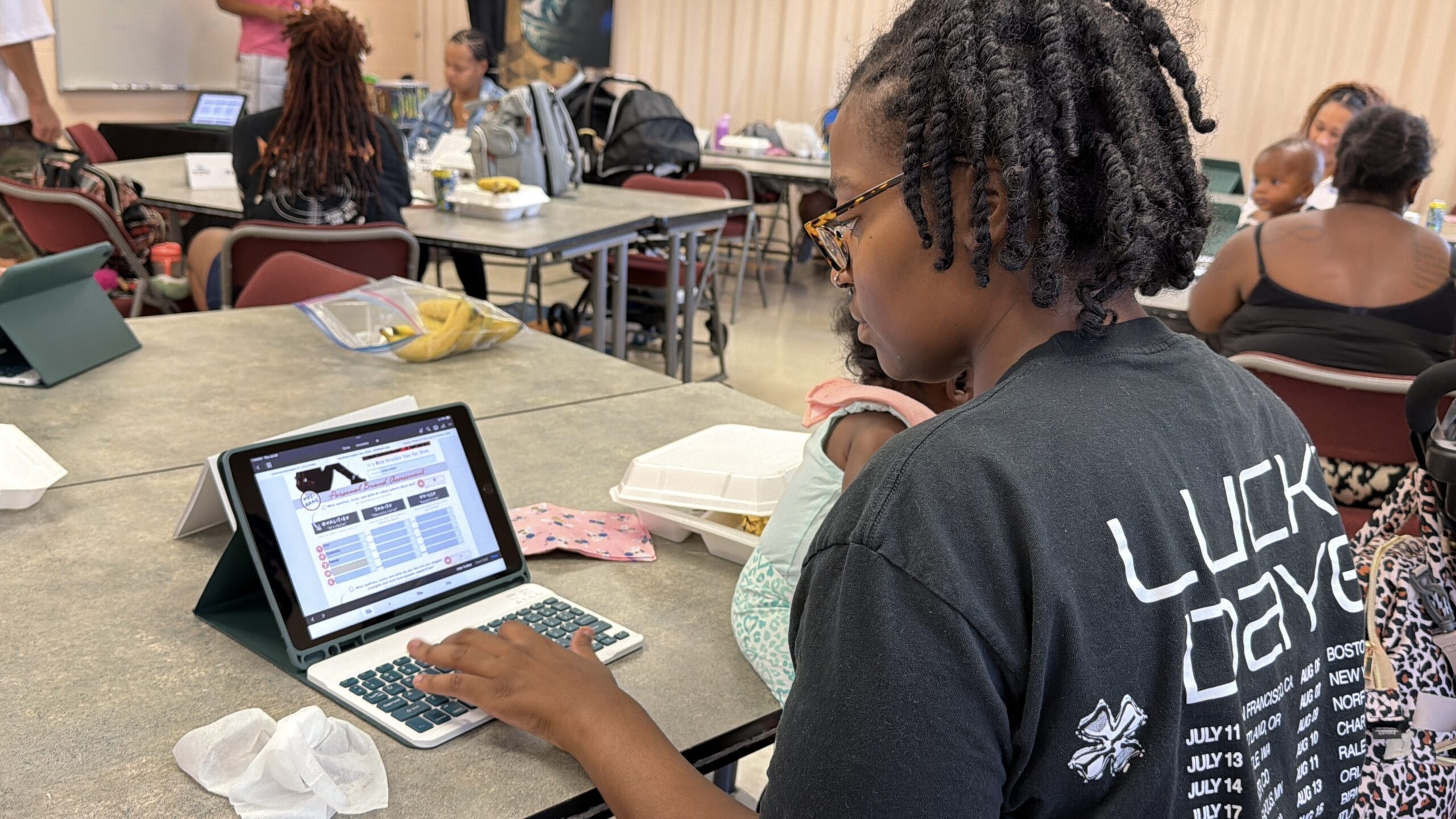
With every scoop of dirt removed using a shovel, the hole gets deeper and task more tougher. A better remedy? Help single-parent moms or SPMs develop financial rhythm, which can serve as their ladder superpower. Even in the midst of a difficult and daunting situation, every mom has an economic frequency or wealth cadence that’s unique to her. It’s all about the bandwidth pursued, not the bandaid applied. And that frequency can’t be harmonized or synchronized until her internal background noise is placed on mute. As embedded multitaskers with built-in sensitivity antennas, SPMs can achieve financial freedom when they learn about and lean on the answers to these five questions: What is financial rhythm? Why is it needed? How is it developed? Where should a mother start first? When does financial rhythm start to click? That’s why we need your investment support to help single-parent moms on a solo-care mission tune in to their generational wealth station. Time is of the essence, for them and their children.
Investment Options for LFYO MVP Teammates
Ready to be an LFYO MVP teammate? We need your help! Support the Economic Freedom Initiative for Single-Parent Moms today.
Tap the link below to make a one-time gift.
Recent Articles

Mr. Fundy's Level Up Initiative for Fourth- and Fifth-Grade Students
Mr. Fundy's Level Up Initiative for Fourth- and Fifth-Grade Students
LFYO's Targeted Investment Campaign (1 of 3)
Press Play!
Highlight Video
Podcast
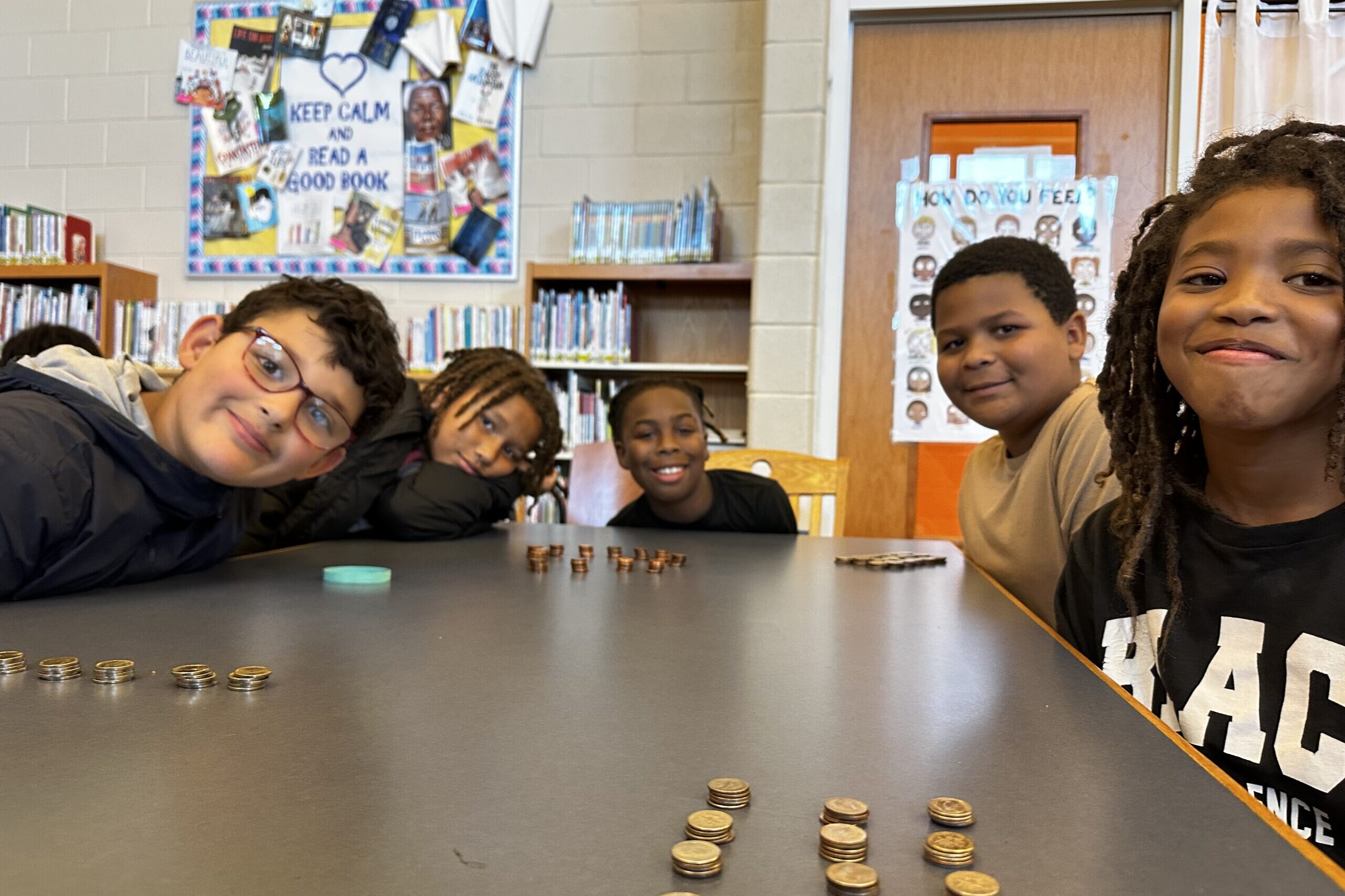
Real talk on the current state of fourth- and fifth-grade students’ academic standing. And without financial math skills, they’ll have a difficult time making smart money moves in the future.
Why financial math skills help—and more importantly keep—inner-city students on the accountability path toward lifelong success.
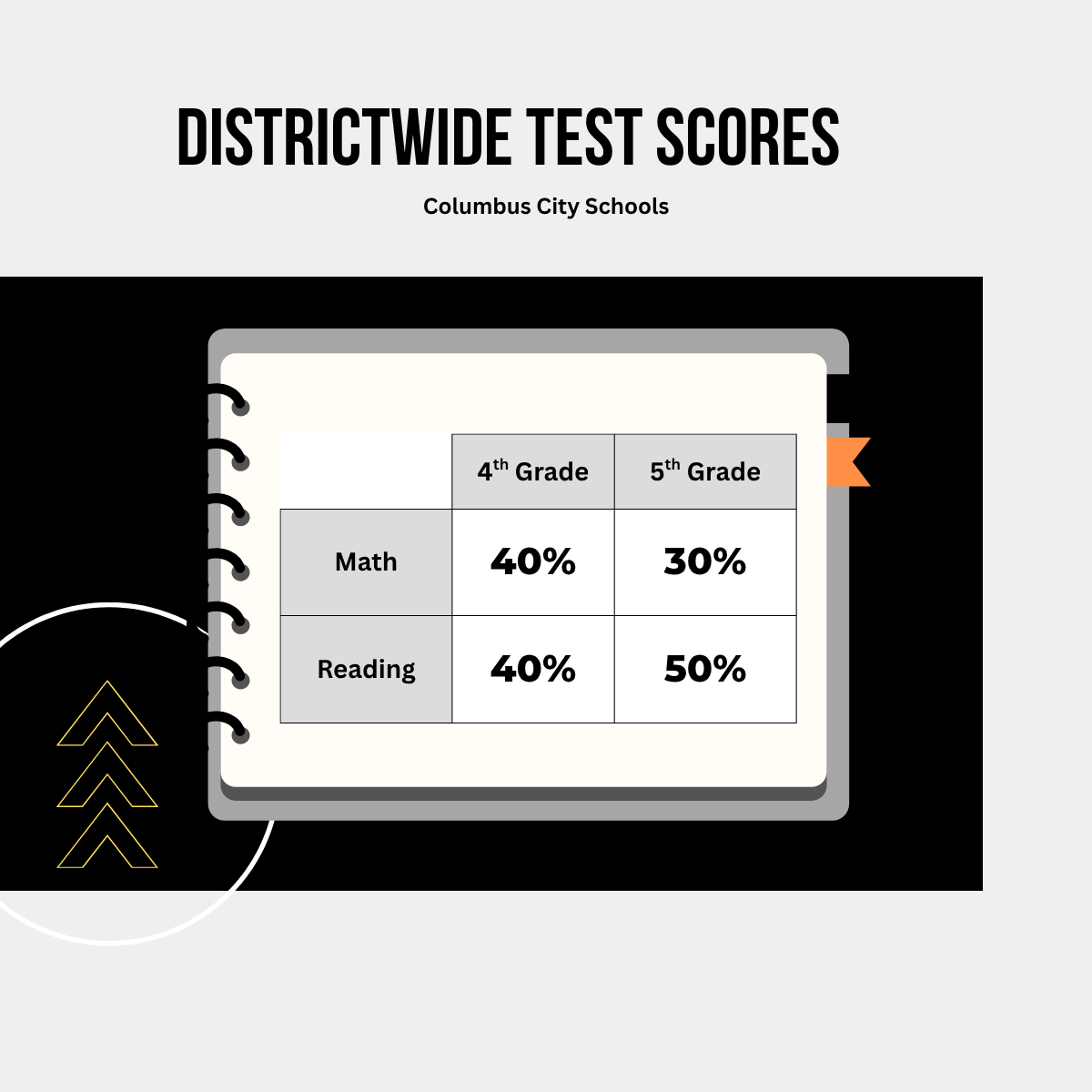
40. 30. 40. 50. In percentage terms, these are the districtwide test scores (in math and reading) of fourth- and fifth-grade students who attended Columbus City Schools during the 2025-2026 school year. The good news? The scores have steadily increased over the last four years. The really bad news? Vulnerable students who struggle in math and reading are likely to experience poorer financial outcomes later in life. They just don’t know it—yet! Also, please keep in mind that the litmus test of standardized testing in Ohio is this: performance at grade level. Now the scoring range is basic, limited, proficient, accomplished, and advanced. Think about what it means for a poverty-stricken, academically challenged student who transitions from childhood into adulthood without financial math skills. Lower employment earnings. Higher debt loads (relative to income levels). Fewer wealth-building opportunities. Weaker problem-solving and coping skills. More learned hopelessness and leveraged helplessness. Not good. And we all pay a huge price when the least among us falls way behind.
Alright, let’s tune out the background noise—who’s at fault right now for the academic gaps—and zero in on what the data might actually communicate longer term. Reading scores for CCS students improved 10 percentage points from fourth to fifth grade, while math scores declined by 10 percent. Here’s why we should be alarmed by the drop. Seventy percent of fifth graders are not performing at grade level in math. Did you get that? And if at-risk students can’t get math early, then they’ll have a hard, if not impossible, time getting through life later on. Assuming this inverted trend line continues in the wrong direction, these students will likely settle for minimum-wage jobs, gravitate to get-rich-quick schemes as well as hook-and-crook scams, fall victim to impulse-buying traps that never dissipate, pay higher carrying costs to service “usury” debt, and most tragically, place their future children and grandchildren on the economic chaos treadmill with no turnoff switch in sight. The poverty tax, with legacy-debt-holder implications, is brutally oppressive.
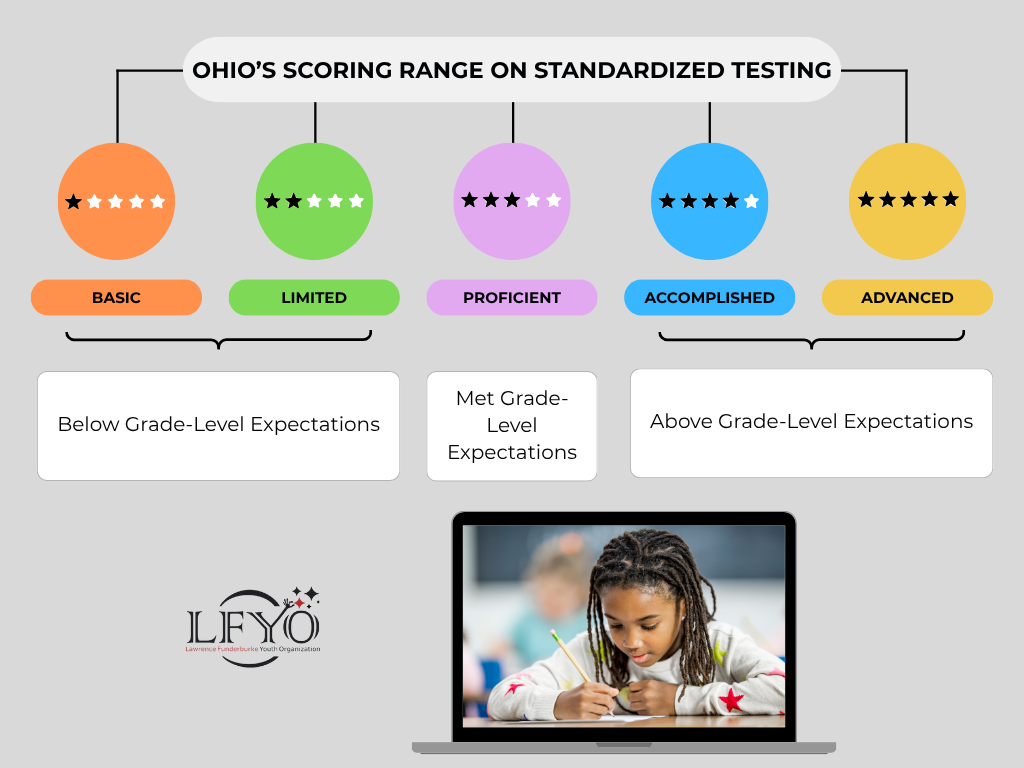
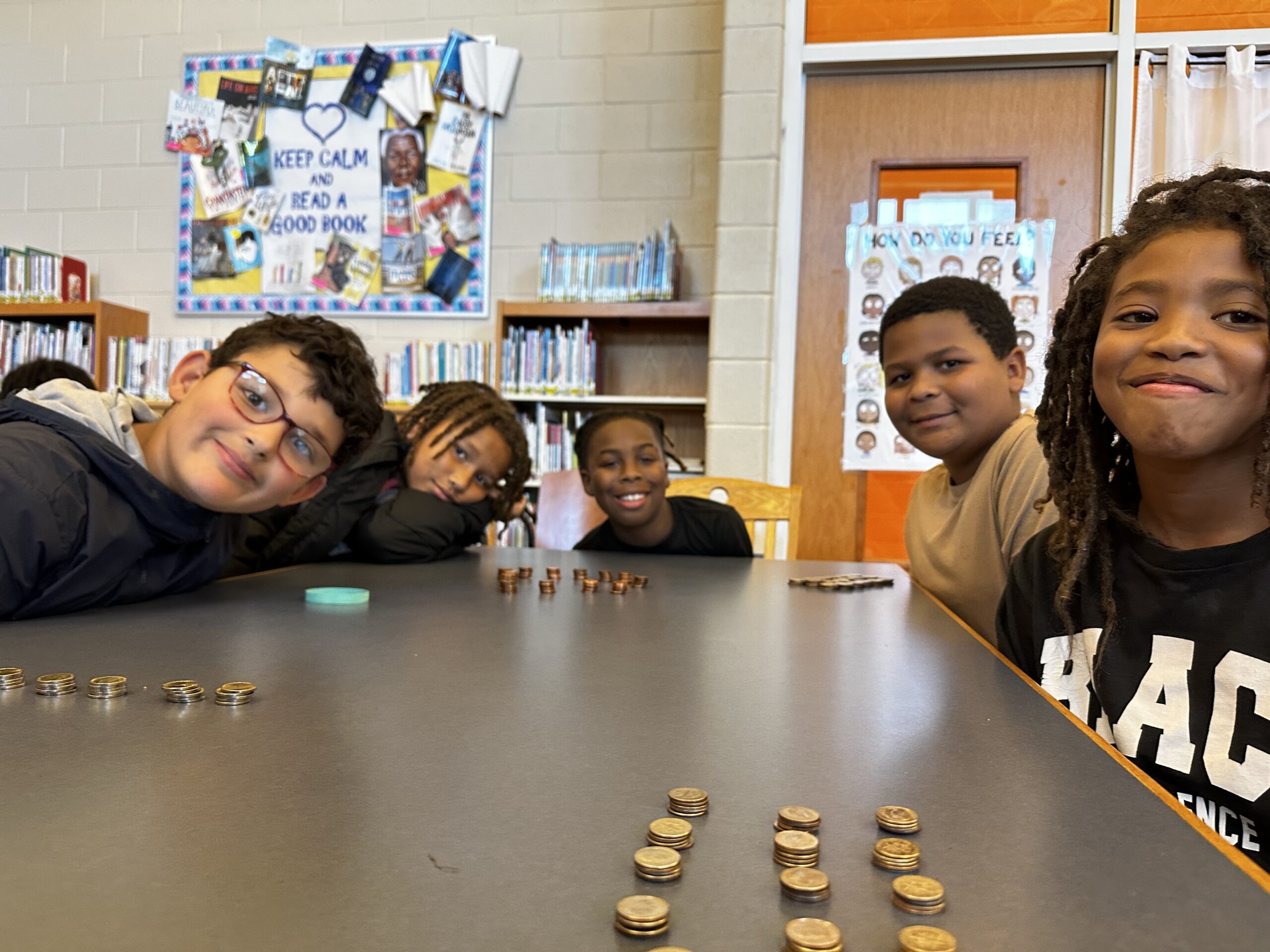
Scores. Scares. Scars. As Jennifer Harvey, a retired public school teacher, pointed out to me, “We need to bring the joy of education back to the classroom.” I certainly remember those days when school was cool. Learning wasn’t drudgery. In fact, it provided us with a much-needed lift to an imaginary world, one better than what we experienced growing up in the housing projects on public assistance. Check out these socioeconomic status (SES) real-world correlations. Basic, or even limited test scores, will often lead to seemingly unlimited financial problems down the road. Proficient test scores will allow vulnerable students the opportunity (but not the guarantee) to barely get by financially in a left behind world. Lastly, accomplished or advanced test scores can catapult at-risk students to new heights as future high-income earners and wealth-building generators. Math scares fade away, and economic scars never form. How does LFYO assist vulnerable students? By helping them connect their present-reality dots with their future-possibility gains through gamification activities and experiential-learning opportunities. And we need your investment support to continue our mission.
Investment Options for LFYO MVP Teammates
Ready to be an LFYO MVP teammate? We need your help! Support Mr. Fundy's Level Up Initiative for Fourth- and Fifth-Grade Students today.
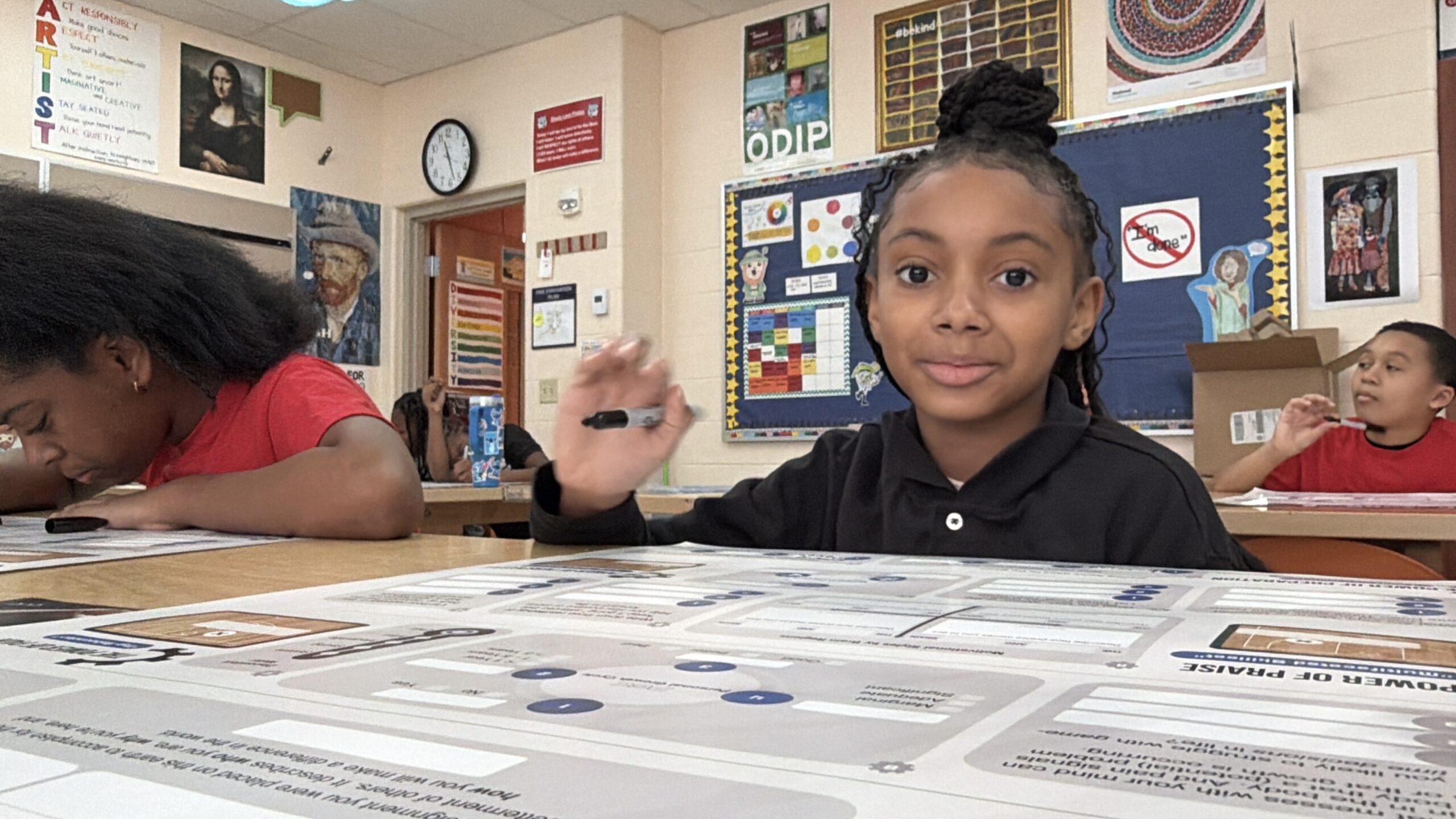
Tap the link below to make a one-time gift.