The Era of Civil Rights and Beyond
The Era of Civil Rights and Beyond: What Have We Really Learned?
If you’re a non-Hispanic white, don’t get nervous. This article will not be a blame white America hit-piece. However, you’re certainly not off the hook. And if you’re a person of color (POC), you have a lot of work to do as well. As POCs, the role you and I play in bridging the racial divide will be just as significant as those in the majority group. Many whites, especially those with a conservative political bent, are uncomfortable revisiting a painful time in our nation’s blood-stained history. Slavery. Jim Crow. Civil rights. To them, going back does not equal forward progress. Valid point. But we must go back there so that freedom can be achieved right here — today in the opportunity diversity arena. Check this out. A lot of American blacks with ancestral ties to slavery still see themselves as foreigners in a land of limited opportunities. It’s hard to explain but quite easy to feel. That nagging sense to disconnect from any form of patriotic expression while reflecting on “the life, liberty, and pursuit of happiness” promise by our Founding Fathers. It seems that someone, something, or somewhere will remind us to get back in line when we step out of place. An insensitive comment (like the one I hear all the time, “Wow, I would have never guessed that you are a CFP.”) A distancing observation (such as this common phrase, “I don’t see color.”) An incredulous stare-down (along the lines of, “How did you people hear about this exclusive vacation spot?”) Covert racism is more insidious than the exploits of overt racists. As a black or brown individual, you’re often left holding the interpretation bag when an underhanded comment, off-the-wall observation, or judgmental stare-down misses the racial sensitivity mark. In 2024, this shouldn’t happen. Then again, it’s not that surprising.
When you see a need and don’t fulfill it, a lot of innocent people get hurt in the process.
It’s not what we, seasoned adults, have learned, those of us born between 1940 and 1980. But what our children and grandchildren have not learned — notably the integration of an opportunity diversity playbook to assist black and brown Americans on the fringes of society. Our two kids, Nyah and Eli, would often accompany Monya and I when our nonprofit organization offered empowerment programs to inner-city youth more than a decade ago. Though a minority, they witnessed firsthand how privileged their life was compared to other melanated children. Opportunity gets you to the door (which can be the result of color preference). Diversity of talent, work ethic, and competency keep it open. If we’re honest, two worlds exist in our black community. Those who have taken advantage of opportunities, a small minority. This group is often accepted, and in some cases, revered in mainstream society; they’ve been able to maximize and monetize a given skillset or engrained mindset. The other world? Those who are taken advantaged of by opportunists (which include gang-bangers, drug dealers, and “unity” peddlers who promote a common bond but cause internal rifts). This growing segment of the black population has struggled in finding and funding their value proposition in life, which has become an exhausting ordeal. Unfortunately, far too many of them just give up and live for the moment.
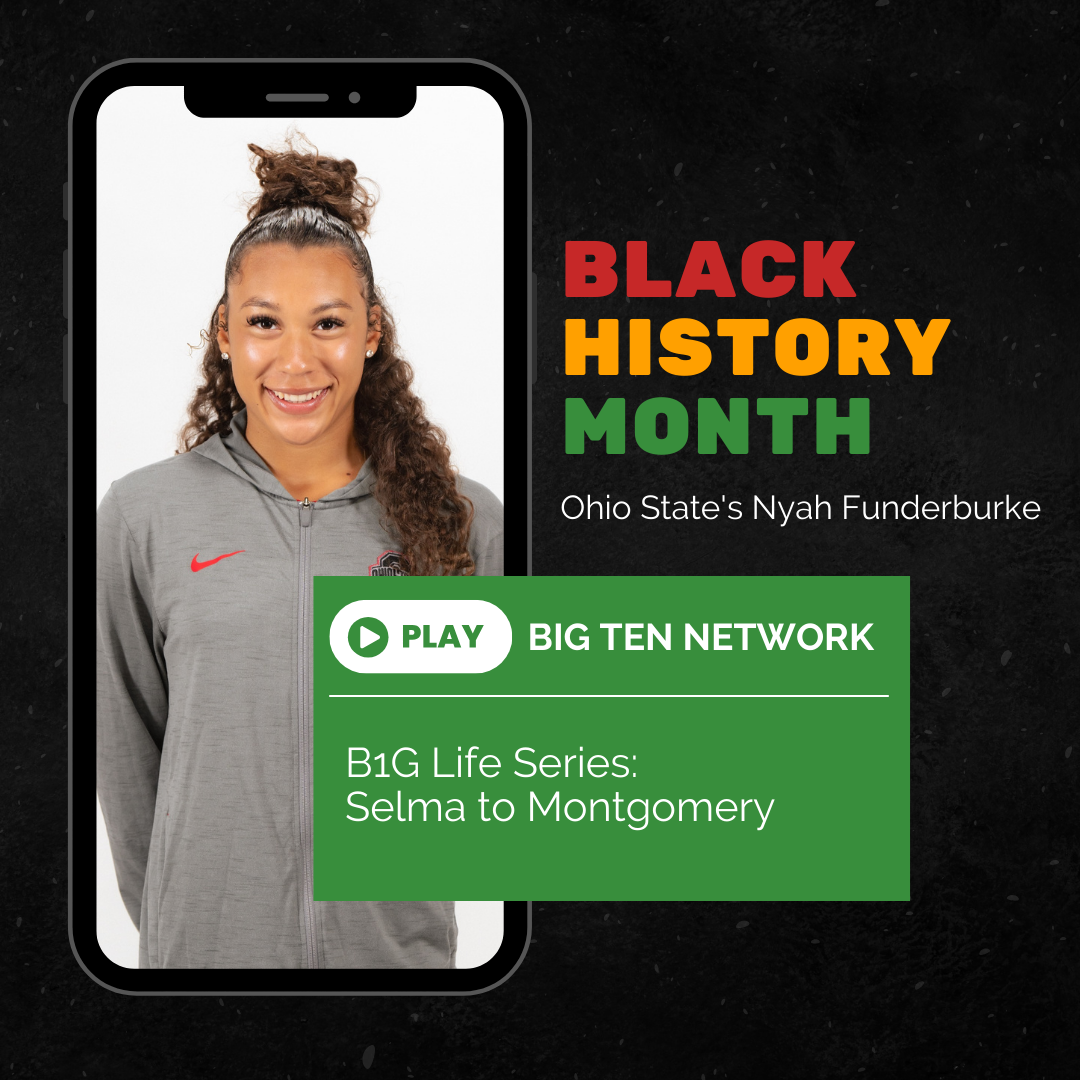
Nyah Funderburke is my oldest child. A college junior and communication’s major at Ohio State, she is blazing her own trail in the classroom and swimming pool as a dean’s list student, All Big Ten performer, and NCAA All-American swimmer. While fair complected, Nyah often blends in with her white teammates in the pool. Out of 75 male and female swimmers, she’s the only African American on the team. Very few black and brown swimmers compete at an elite level. Those who do, stand out. In high school, she shared this startling revelation with me. She said, “Daddy, my focus is to swim in lanes 4 or 5. When swimming in these lanes, the best lanes, you can impose your will on the other swimmers since the waves are pushed from the inside-out.” Fascinated, I asked, “What do you mean?” Nyah responded, “Those on the outside lanes, 1 and 8, have the toughest time. They’re in the worst swim lanes and must contend with the waves coming from the middle lanes and off the wall ….” I interrupted, “Wait, you can still win — your room for error is incredibly small, though.” She chimed in, “That’s right Daddy, just like the people you and Mommy help through LFYO. They may not see the waves, but eventually they’ll get so tired fighting against them.” Hmmm, the waves of injustice. Her assessment at sixteen was refreshing. Same pool, different race. Life outcomes (and swim results) will largely depend on a person’s lane assignment. Today, Nyah’s vantage point on race in America has broaden as a young adult. Last summer’s visit to Selma, Alabama, to march alongside other black and brown Big Ten athletes on the Edmund Pettus Bridge transformed her thinking on opportunity justice. Click the link below to watch Nyah’s Big Ten Network feature, which aired on February 9th. You can visit her website at www.NyahFunderburke.com.
B1G Life Series
Ohio State's Nyah Funderburke shares her experience traveling as part of the Big Ten Conference's immersive field trip to Alabama, highlighted by a march across the Edmund Pettus Bridge in Selma.

The Influencer in You - 5 Part Series #5
The Influencer in You: Why Mentoring Works, How It Changes Lives, and Where It Transforms Legacies
Series #5: The Change
Bankable Change: It’s How You Measure Your Mentoring Worth
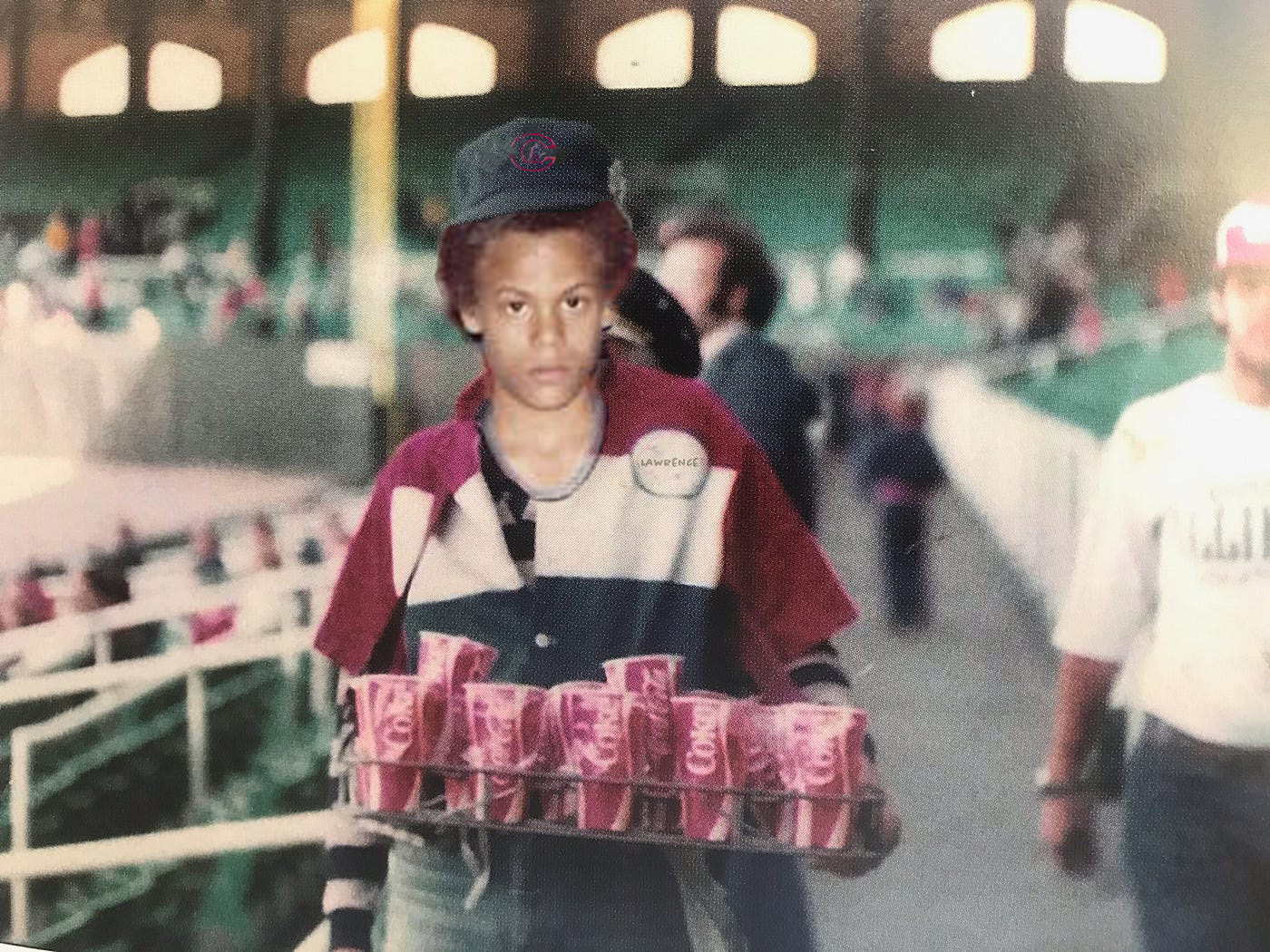
Let’s talk change, the litmus test of mentoring success. I loved hearing customers who just bought my last watered-down Coke as a teenage vendor at Cooper Stadium and the horseshoe blurt out, “Keep the change!” It was music to my ears. Another beverage rack had been sold, with a much-needed tip earned by a poor kid from the Bottoms (or lower westside of Columbus) growing up in the Sullivant Gardens Housing Projects. Each rack sold netted me 10 percent of sales or $2.00. A paltry sum back then, but every dollar counted. As a welfare recipient and math aficionado who could make change with the best of them, I had a pretty good idea how much money (and likely tips) I’d make at Columbus Clippers baseball and OSU football games. You see, I got my hustle on — legit. I sold cokes, hotdogs, Cracker Jacks, popcorn, peanuts, and even San Diego Chicken programs. Rain or shine, I hustled. I had people to meet, places to go, and predicaments to overcome. I was the black version of Huckleberry Finn, so named by my mother, “Ma Dukes.” A lot of my neighborhood peers chose the drug-selling route. I knew better and would feel much worse if Ma Dukes, a 6’0” black woman with huge hands and a formidable grip, ever caught me making an illegal buck on the streets. “Boy, I’ll slap you into next week if I catch you …” Those bone-chilling words still reverberate decades later. Ma Dukes meant what she said and would make good on every substantive threat. Peep this. Bad grammar I know, but “scared money don’t make money.” And fast money never produces meaningful change; it usually makes things worse. Humbly speaking, making change is quite easy for me. I don’t set New Year’s resolutions. I don’t struggle with doubt (but I’m not immune from insecurities). I don’t wait to make a difference; I see needs and fulfill them without being asked. Making change as an invested mentor or ROI mentee won’t be hard for you either. That is, if you develop the right mindset and count the ongoing costs upfront. Right now.
Did you know that only 9 percent of New Year’s resolutions are actually achieved? In other words, 91 percent of people fail in the completion of their New Year’s resolutions, with January 17th serving as “Quitters Day.”
A Mentoring Assignment Too Close for Comfort
Eric Seabrook has been a mentor of mine for years. An attorney by trade and a life coach by tread, Seabrook has decades of experience as a tireless counselor. Early in the mentoring relationship, he did what any seasoned mentor should do to propel a mentee’s growth trajectory. He asked me a loaded question that was prepackaged as a gut-punch command. As an O+ blood type, I have pretty thick skin. O blood types, + or -, tend to be carnivores (and thus have higher levels of stomach acid), usually need intense exercise to burn off steam, and are generally not afraid to “tell it like it is.” Don’t shoot the messenger; I’m merely highlighting a few key points outlined in the best-selling book, Eat for Your Blood Type. As we were wrapping up our conversation, Seabrook pointed out, “Wouldn’t it be tragic for you to assist inner-city communities in achieving better life prospects and not help your own wife reach her full potential?” Silence. With a scowl on my face, I gave him that look of disbelief: “You calling me out, bro?!” Yes he was, and I deserved it. “I didn’t know if you would punch me or walk away from our friendship, but I had to bring this to your attention,” he added. My wife Monya is a beautiful black woman with immense talents as a graphic (and website) designer, certified wellness coach, and culinary star. Seabrook’s mentoring call out to me was really my wife’s call up. Unlike me, Monya’s more comfortable with behind-the-scenes roles. But without her potential and purpose being unlocked, mine would be on lockdown. The two shall become one. Don’t get hung up on the words “mentor” or “mentee” if you’re married. Embrace reciprocal learning. A great teacher must also be a sponge-like student. Please keep in mind: Mentoring is about influence, and influence has everything to do with change. Make an impact on the home-front (or within your extended family circle) before you look to make a difference at work or in the community. It’s not worth losing the soul of your spouse or child(ren) for the sake of public recognition. Insiders know the real you; outsiders don’t!
Mentee in Training: A Look at One of My Most Embarrassing Moments
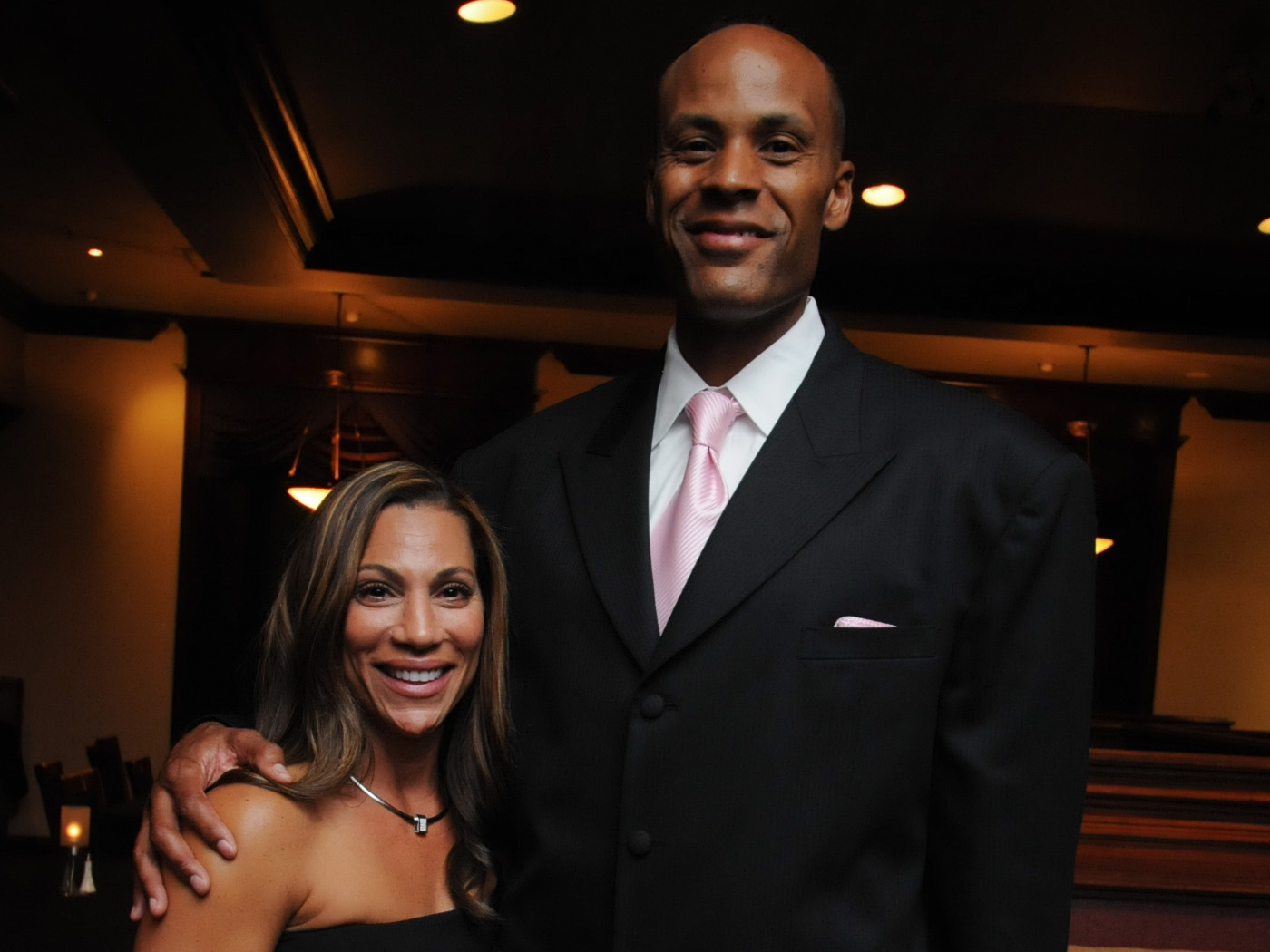
Rookie status in pro sports, or the business world, can lead to several first-year blunders. After the NBA, I worked briefly at John Sestina and Company. The owner, John Sestina (who has since sold the company) is considered the godfather of fee-only financial planning, a compensatory structure involving a flat fee or yearly expense that’s charged to clients for financial advice. Those eight months being mentored by Sestina, Tyler Cook, and Stephen Lukan in 2008 were difficult. The learning curve for comprehensive financial planning, on the advisor side, was quite steep for me. And the test to become a certified financial planner (CFP) was even more mentally draining than playing in the NBA. My workspace was right next to Cook’s, a former colleague and mentor more than a decade younger than me. He was patient, persistent, and prescient in his mentoring duties. I asked one dumb question after another, which didn’t faze Cook. In terms of persistence, he challenged me to see financial planning from the eyes of my former profession. Assist clients on offense by helping them save money and build assets, with defense being tied to insurance and tax planning strategies. Watch out for spending turnovers, which are most often found under the basket of variable expenses. Rebound (or recover from) missed financial shots or unforeseen setbacks — a divorce, illness, or job loss. Cook’s prescience showed up when explaining estate planning concepts that were foreign, at the time, to my way of thinking. I reiterated in one of our mentoring sessions, “You’re talking about an executioner, right?” He couldn’t stop laughing and remarked, “I knew you’d say that word instead of executor.” He continued, “An executioner is someone who kills another person, but an executor carries out the wishes of a decedent’s estate as specified in a last testament or will. I guess death is the common link between these two words.” Cook, Lukan, and Sestina taught me how to laugh at myself when making embarrassing mistakes. Mentors and mentees, take the responsibility seriously but not yourself. Laughter does the body good.

The Power of Philanthropy Is the Gift of Presence
In closing, the good book tells us, “It’s better to give than to receive.” In a world where presence is needed more than presents, change agents must be well-versed in their gift-giving efforts. Yes, meaningfully and materially involved; substance always matters. Whenever I present our Mr. Fundy’s Mentoring Playbook for Youth and Young Adults to groups, I’ll hand an audience member from an at-risk background a $20 or $50 bill and say, “Keep the change.” As Frugal Funderburke, a self-proclaimed cheapskate, I don’t like spending money. But as a life coach and non-traditional educator, the money lost is a down payment on a future investment gained. In the lives and legacies of vulnerable populations who must understand that intangible wealth, of the intellectual kind, always precedes tangible income. “Develop the skills now to pay the bills later” is their lightbulb moment. The benchmark of self-worth (and net worth) is the balance sheet, not the income statement. Strengths are assets, and assets are the things you own. Financial assets include bank accounts, stocks, and material possessions, such as cars, clothes, and computers. But internal assets are the things mentors and mentees can leverage to produce two-way change. They encompass trust, honesty, discipline, hard work, and teamwork, among many other noteworthy attributes. Struggles are liabilities, and liabilities are the things that own you. Financial liabilities consist of debts, loans, or monetary obligations that must be paid (usually with interest) at some point in the future. Internal struggles include toxic thinking, disrespectful attitudes, poor work habits, low self-esteem, and lack of purpose, and so forth. It’s not a capability issue with high-need populations; it’s an accessibility problem. The formula to close the great divide in America is simple: Social Justice = Racial Equity = Opportunity Diversity. Nothing changes externally — socially, racially, or opportunistically — until we transform internally. It’s time for mentors to step forward so that the least among us can step into their mentee greatness, one influence game plan at a time. Are you doing your part?
"Tough" Questions to Consider:

Where do you need to step up in your mentoring playbook or influence game plan with those (inside or outside the workplace) who don’t look, think, or act like you? When will you get started?
How will you make a difference personally, professionally, and philanthropically with your internal assets? What metrics will you use to gauge your effectiveness in terms of baselines and benchmarks?
Which of your internal struggles trips you up in not being a more effective mentor, mentee, or mentoring proponent? Why is this particular struggle holding you back or hindering your growth?
Interested in Learning More?
Click the button below to learn more about my mentoring initiative and other empowerment offerings to assist you or your organization.
Related Articles
Nothing found.
The Influencer in You - 5 Part Series #4
The Influencer in You: Why Mentoring Works, How It Changes Lives, and Where It Transforms Legacies
Series #4: The Synergy
The Musical Chord of Mentorship Frequency
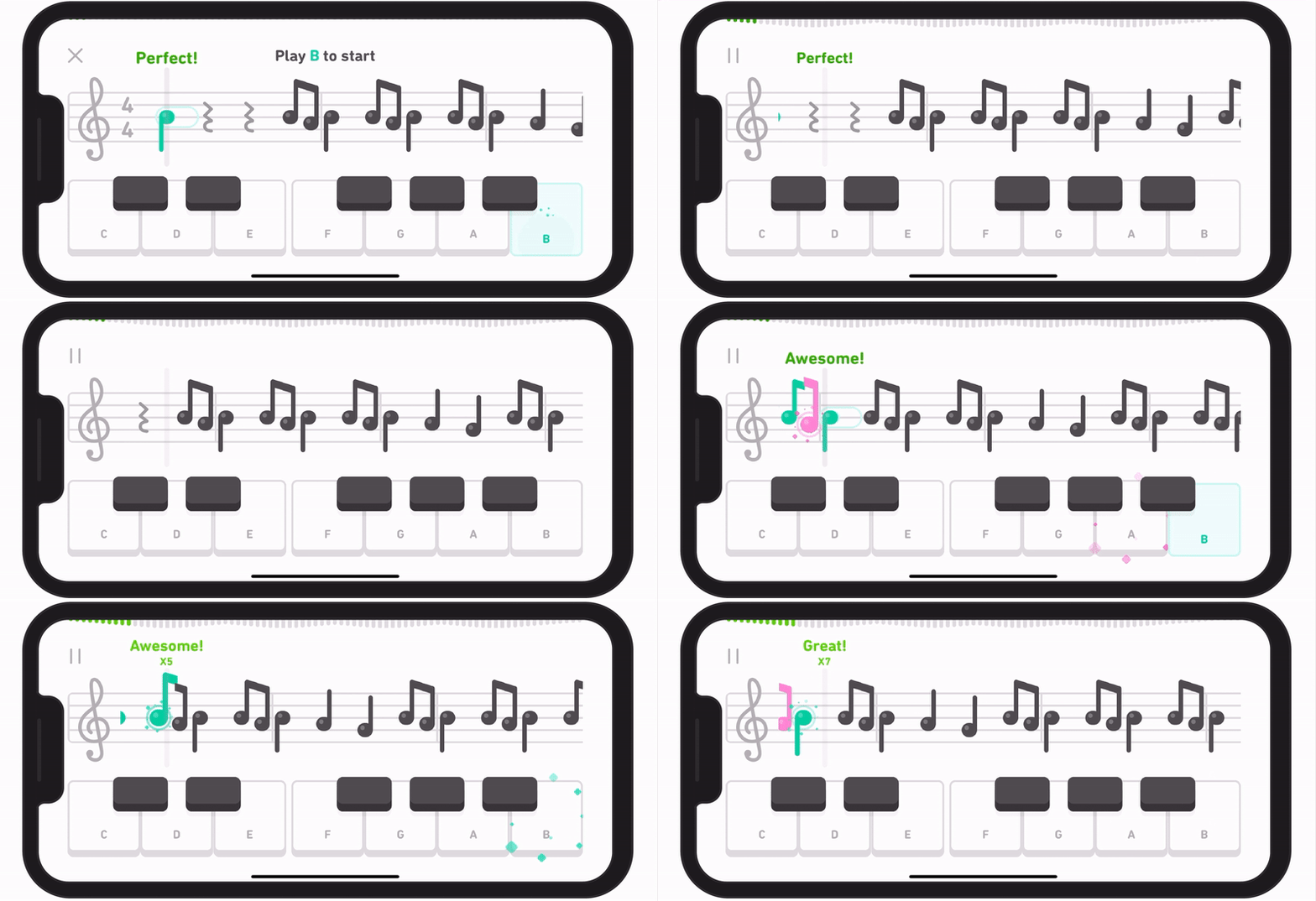
You’ve probably given little thought to the biochemical underpinnings that shape mentoring relationships. One thing is certain about great (or even good) ones: the synergy or harmony is so powerful, actually electrifying, when two or more people work together for a common cause. Enter the oxytocin zone. What is oxytocin? It’s a neuropeptide that plays a vital role in breastfeeding for nursing mothers and bonding for loving caregivers. It’s also what drives organizational success, whether it’s corporate America, a sports team, school district, household, or mentoring engagement. No connection, no collaboration. No collaboration, no cooperation. No cooperation, no (effective) communication. Just a lot of background noise that drives people apart instead of the symphony of bringing them together. Remember my emphasis of good, better, and best mentors in the second and third articles of this influence series? What’s good can be better, and what’s better has to be the best. Through culture, the best companies treat their colleagues, customers, and community partners like family. Through teamwork, the best sports teams are always on the same page, playbook, and pulse. Through excellence, the best school districts prioritize and harmonize this commitment to greatness 365 days a year in their interactions with staff, students, and stabilizers (or caregivers). Through love, the best households are sacrificial in their bonding, banding, and binding efforts with other family members. Remember the sitcom, The Partridge Family? Yes, I am dating myself. Through frequency, the best mentoring relationships leverage that special frequently — each manageable, memorable, and marketable engagement moment. And you can’t build mentoring momentum without it!
The frequency of connectivity is rooted in diversity, or the mentor’s ability to assist mentees personally, professionally, and philanthropically.
Let’s dig deeper into the neuroscience of rhythmic frequency, a misunderstood area of brain anatomy that spooks some people because of the terminology used to describe magnetic connections. Music and mentoring are both universal. And they feed off of that miraculous oxytocin spark that serves as the catalyst for a win-win relationship, well-respected leadership, or rock-solid partnership. Mentees resonate with mentors of trust. Employees resonate with trusted leaders. Spouses resonate with trustworthy life partners. In every case, the frequency or vibrancy of a harmonious connection is key. Speaking of being on key, Mark Lomax is a talented musician. He’s also a father, husband, composer, educator, lecturer, author, activist, thought leader, and philanthropy facilitator at The Columbus Foundation. His diverse skillset reminds me of Damon Wayan’s portrayal of a Jamaican man from the popular 1990s show, In Living Color. With a noticeable Caribbean accent, Wayan’s character in the skit would blurt out (to family members) when returning home from one job and quickly changing into another work uniform before exiting, “Hey mon, I’ve got ten jobs.” Like many actors and artists, Lomax has a unique take on things. He shared, “Mentors must strike an emotional chord with their mentees. Without it, their relational connection will be out of tune.” So true.
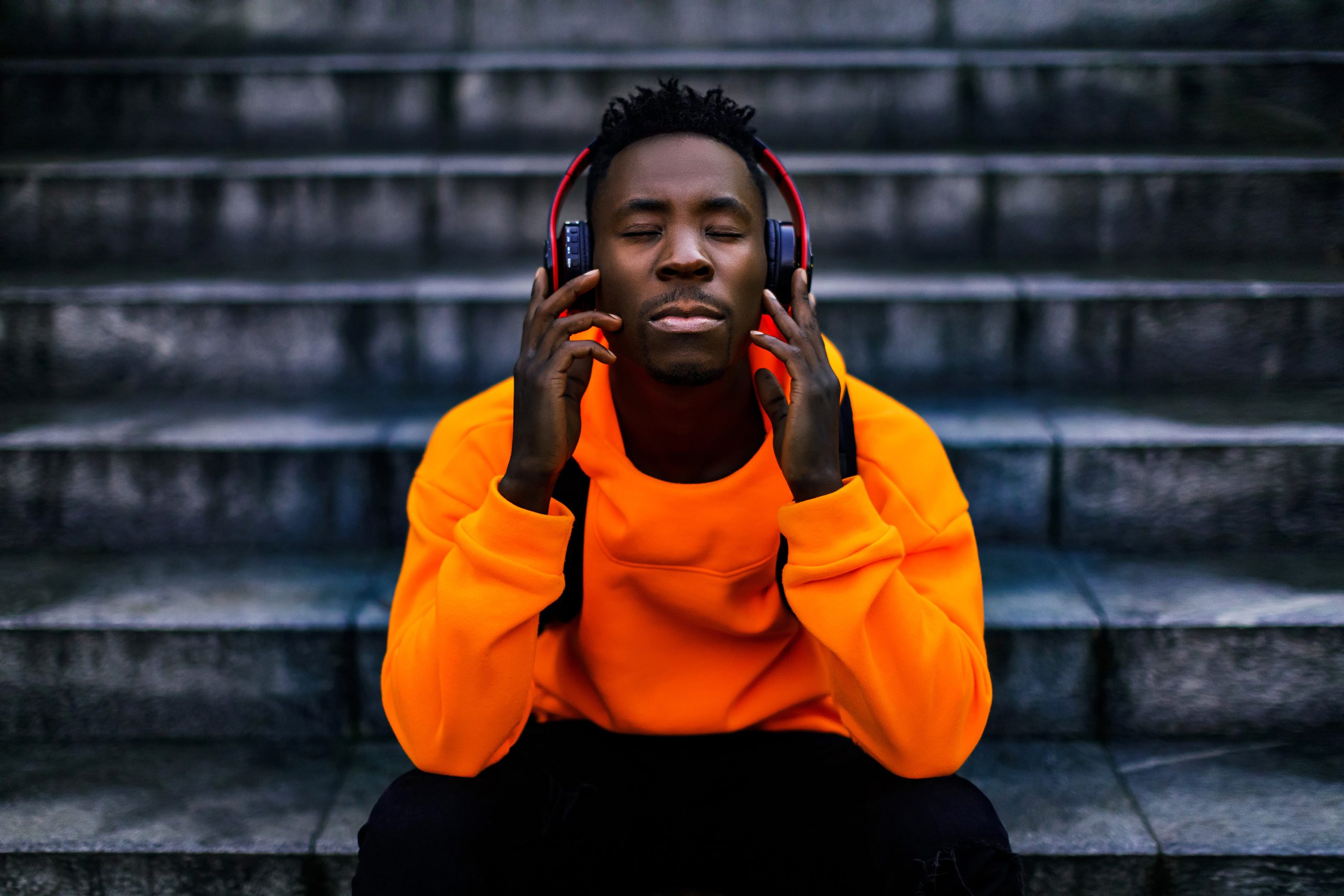
In our conversation on biochemistry, Lomax and I discussed the therapeutic benefits of mentorship and music, notably mood regulation. The best mentors are able to influence the mind of mentees through the mood of frequencies. Hype has a frequency. Hope has a frequency. Help has a frequency. Dial in to that station to move your mentee through each phase of the mentoring connection cycle. On the home-front. At the workplace. In the community. The first order of business for the mentor? Get the mentee fired up about a potential mentoring arrangement (or stay the course once it begins). This is the motivational or introductory phase where either side can back out. This stage can also be viewed as the recruitment pitch. Feelings often dominant in this phase, which is why expectations should, at some point, be highlighted prior to the official start of an engagement. Next up is the inspirational or projection phase. Here, the growth forecast is specified, values and beliefs are clarified, and personal brand statements solidified as choice muscles get exercised. Where a mentee aspires to go (in a life, legacy, or leadership pursuit) will largely depend on the visionary brilliance of the mentor to paint a compelling picture that keeps hope alive. Without hope, a mentee’s faith-led goal, driving ambition, or purposeful existence cannot survive, let alone thrive. The third phase is where tremendous growth gains occur through targeted, transformational improvements. This journey may take months, years, or decades to complete. It all depends on the investment. No ongoing payment, no lasting change. And the costs associated with change will likely exceed what each mentor and mentee have budgeted ahead of time.
Mentorship is music frequency. Hard to describe, easy to feel. The hard part is finding the right words to explain how the mentee and mentor were both impacted by their relationship. Of course, the easy part is recounting or reliving the experience in salient details. Yes, feelings fade over time, but a meaningful connection never does. Even when the engagement ends (and most mentoring relationships do at some point), those memories live on. Think about your favorite teacher in childhood or young adulthood. What do you remember about this educator’s most noteworthy talent, skill, or gift? How did this person motivate or inspire you? Why was this teacher, tutor, instructor, professor, or coach your favorite? Your reason(ing) and reaction are likely tied to oxytocin. What made learning so easy in that class? The ability to explain complicated subjects in simple terms to you and your classmates. Why wasn’t giving up an option? Those words of encouragement when you bombed a test. Where did that sense of resiliency come from? That game-winning touchdown when you’re number was surprisingly called to carry the football against a high school rival. What made a small or significant difference in who you are today? The teacher, professor, coach, caregiver, or boss who believed in you, even when your self-confidence missed the mark. Thank oxytocin for that special push, pull, or propel across the success finish line. In fact, you can’t bond, trust, or love anyone or anything without this neuropeptide in ample supply. It allows us to connect with and protect others (or hate that team up north and their obnoxious fans). One last point: Oxytocin even plays a pivotal role in our self-preservation instincts. Have you or someone ever said, “I trust no one but myself”?

Before closing out this article, I want to give a special shout-out once again to three of my mentors, Donna James, Clark Kellogg, and Steven Davis. Consulting expert and board member of several Fortune 500 companies, James’ voice of comfort as a distinguished woman of color has had a huge impact in how I present myself in corporate settings. She once shared with me, “The hard parts of diversity continue to divide us. But separation can turn into cooperation when we correctly respond to gender, racial, and religious differences.” Right on point. Kellogg, a former Ohio State basketball player and NBA star, and current CBS sports analyst, has been a relatable, reliable, and reputable mentor of mine for nearly 20 years. At our 2023 nonprofit fundraising luncheon, he pulled me aside for a Special K download. He said, “What you are doing in the lives of these young men will change the trajectory of their offspring — forever. Keep giving assists to our black and brown males, Fundy!” Say no more. Davis, former CEO of Bob Evans, will always have a cherished place in my heart. I’ll never forget his timely wisdom on adding value in the marketplace shortly before his passing. He highlighted, “The lack of colorism is an unfortunate problem at the C-Suite level in corporate America, but green settles the score. And when a POC helps a company make a lot of money, skin tone becomes less of an issue but more of a hiring priority.” Amen and rest in peace my brother. Trust. Trusted. Trustworthy. Without these qualities, the frequency of any mentoring connection gets lost in translation.
Questions to Consider:
How do you build trust as a relatable, reliable, and reputable mentor? Be descriptive.
What areas of bonding, trusting, and loving others do you need to replicate or reciprocate? Be honest.
Which aspect(s) of the mentoring connection cycle do you find the easiest and hardest to facilitate, the hype, the hope, or the help? Why?
Interested in Learning More?
Click the button below to learn more about my mentoring initiative and other empowerment offerings to assist you or your organization.
Related Articles
Nothing found.
The Influencer in You - 5 Part Series #3
The Influencer in You: Why Mentoring Works, How It Changes Lives, and Where It Transforms Legacies
Series #3: The Investment

Wait, Count the Costs Before You (or Your Organization) Embarks on a Mentorship Journey
Why do some mentoring initiatives fail? A multitude of reasons exist, but three underlying themes eventually come to the surface when a mentorship program misses the impact mark. First up, a lack of clearly defined expectations were likely assumed but not mutually or corporately agreed upon. This translates into porous boundaries, moving targets, and/or one-sided, hit-or-miss commitments. Mentoring engagements should be free-flowing, but guidelines and guardrails should serve as the turnoff spigot when a mentee (or even mentor) violates mentorship decorum. Here’s a true story to highlight a few etiquette breaches by a mentee who turned heartstrings into bankrolled dollars. An affluent woman, Irene, mentored a single-parent mother of seven. The single-parent mom, Sheila, has had a rough life. Drug addiction. Homelessness. Poverty. All at once. Several years ago, Irene volunteered at a nonprofit organization in a less desirable part of a big city. She was paired with Sheila, and the two bonded rather quickly. Irene provided her home number (a big no-no!) to Sheila. Well, Irene found herself taking calls from her mentee on the weekends and doling out lots of cash (really, cashiers checks) as the sob stories poured in. The violin music that struck a monetary chord? Bailing out Sheila’s boyfriend from jail. Paying three months of back rent to prevent an eviction. Buying groceries at the beginning of the month for Sheila’s children, days after her welfare check had been cashed. The mentoring engagement ended when Sheila unexpectedly showed up at Irene’s home in a prestigious neighborhood and stated, “I was in the area and thought I’d stop by to see you. Can I come in and check out your home?” Irene shared with me, “I was horrified, and I felt utterly violated.” She added, “The experience left such a bad taste in my mouth; I won’t ever do that again.” That is, sign up as a compassionate, in-person mentor for those on the fringes of society. Without being briefed on how to assist the poor, arm’s-length transactions, or writing big checks to various nonprofit organizations, is Irene’s preferred option moving forward. (I did present Irene with a copy of my book, Sociopsychonomics, to help her understand the mindset of the entrenched poor and social classes in general. Time will tell if she takes my suggestions to heart on how best to empower vulnerable populations through targeted, face-to-face interactions with clearly defined expectations, well-marked boundaries, and growth-oriented benchmarks.)
When so-called, challenging growth goals are nothing more than cleverly disguised activities, both the mentee and mentor are shortchanged.
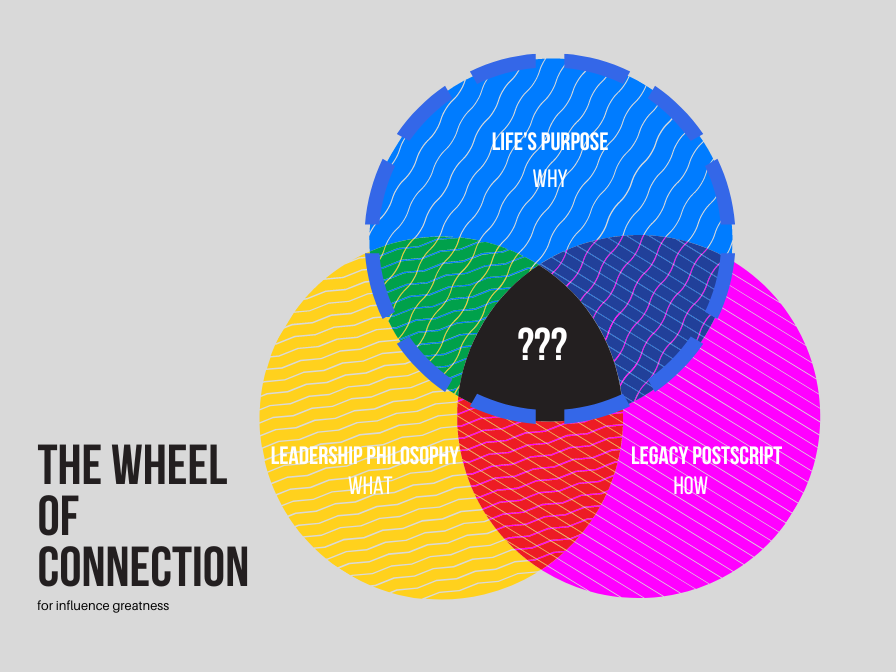
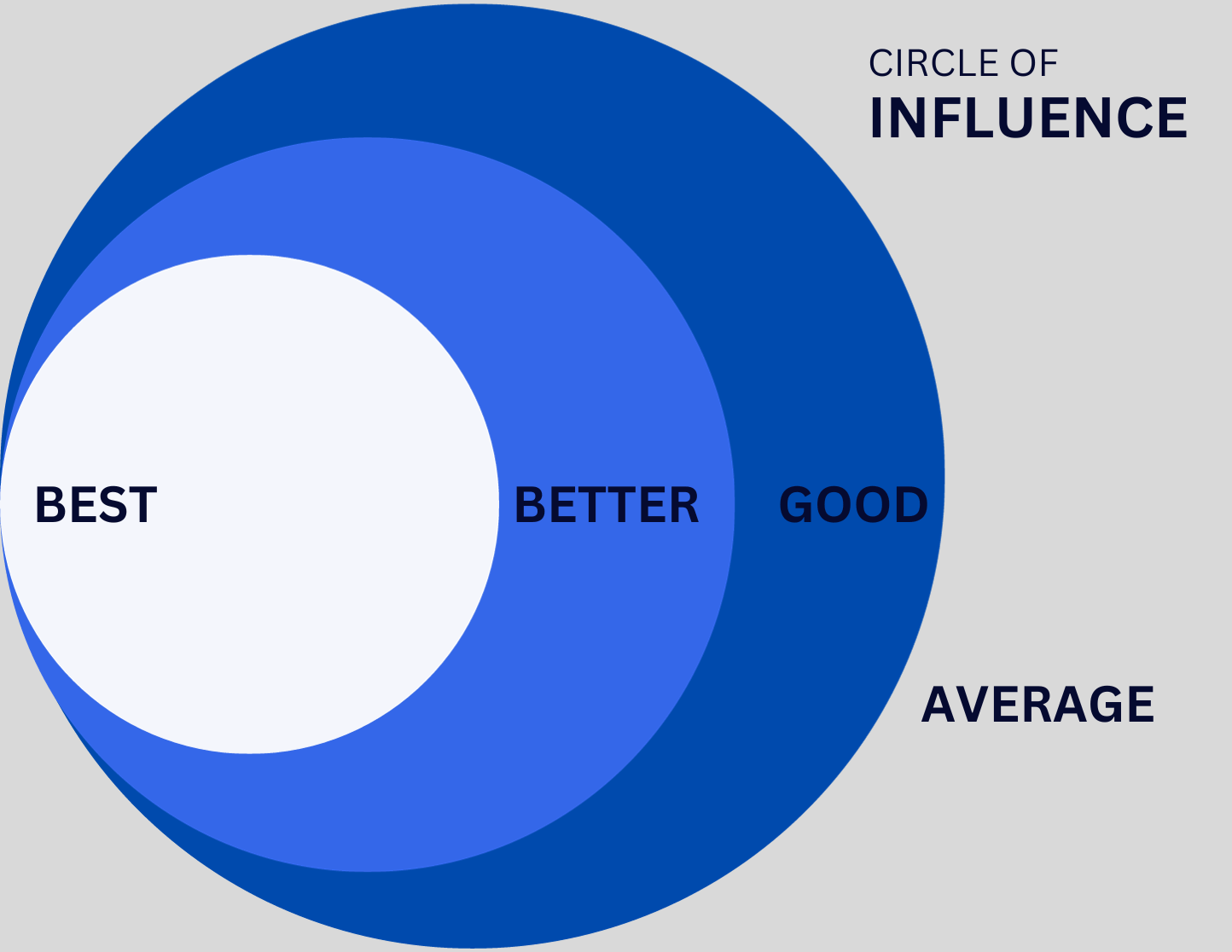
Moving targets and hit-or-miss commitments can be viewed as separate but connected factors on why some mentoring engagements fall short. In professional and philanthropic mentoring circles, flexibility can start off as a good thing and quickly turn to a bad thing. Schedules inevitably change, but frequent rescheduling can cause either side to lose heart. Remember: For some mentees, their distrust meter will rise precipitously when a mentor postpones another meeting. The guilty mentor — whatever the reason — is in danger of being placed in the mentee’s dumpster of mistrust. Warranted or not, these mentees feel that their mentors did them dirty. Another person of trust has missed the mark. On the other hand, mentors will question mentees’ dedication when missed coaching sessions become commonplace. With this next point, beware of the tripwire effect of mentoring mediocrity. Average shouldn’t be an option for you, or any mentor for that matter. Good. Better. Best. Those are your three options. Now, good mentors can leverage their motivational proficiencies as change-agent specialists. They may motivate well but often fall short in their inspirational skillsets. Better mentors are prolific in how they inspire others. They may connect well but typically fall short in their transformational competencies. Very few mentors reach the rarified status of influence greatness. Why? The best mentors motivate and inspire their mentees through a life of purpose and legacy of goodwill. These influencers are masterful strategists in helping others connect the “why” dots of purposeful living with the “what” and “how” circles of leadership excellence and legacy continuity.
A mentor’s inability to merge sociology, psychology, and anthropology is another reason why mentoring initiatives flatline. You don’t have to be a tenured professor or doctoral candidate, but you do need to be a well-rounded student in these areas if mentoring effectiveness is your goal. Human beings are unique. However, they tend to act in predictable ways based on their social class mindsets, habits, and beliefs. How people think has a great deal to do with how their brain is wired. Some people are analytical or methodical in their formulation of information. Without an orderly process, things don’t make a lot of sense to this group. Others are moved by feelings, those sensations, pulsations, and vibrations that shape their mood and mode (or the speed in which they navigate life). Still others are harmony driven; they get along to go along rather than go along to get along. In fact, this brain type tends to relate well with every brain group through interpersonal dynamics. And finally, this last category of individuals will remember a face more easily than a name. They tend to have colorful personalities and visionary dispositions. With anthropology, this is perhaps the most controversial among the three “ology” factors. Of course, generalizations can lead to stereotypes when dissecting people groups and the way they’re likely to think, act, or behave. By embracing cultural differences — racial or otherwise — we’re able to refine, refocus, or reframe our diversity lens. Don’t run from controversy; utilize it for your mentoring benefit.

A third reason why mentoring initiatives come up short is rather obvious: most people are not well-versed in the art and science of inquisitiveness. The art part is how to phrase a question based on subtext, with the science part dealing with the syntax or structure of what to ask by context. I often say that the answer can be found in the questions you dare to ask. The best mentors tend to ask the most thorough and thought-provoking questions of their mentees. “What” questions are primarily concerned with information. Irene, the affluent woman mentioned earlier, should have asked Sheila, “What are you hoping to receive from our mentoring relationship?” An open-ended question that’s straight to the point. Sheila’s response would have likely provided Irene with a few clues about her previous mentee’s intentions and expectations, and more importantly, a framework by which boundaries could (and should) be established at the onset. “How” questions focus on process or strategy. A mentee may ask a mentor, “How were you able to overcome a difficult life event?” “Why” questions address intent, reason, or purpose, which can create incredible discomfort in the gut of the person being asked, especially if the subject matter is sensitive. For example, my kids have asked me through the years, “Daddy, why did your father abandon you as a child?” You probably can sense my pain in trying to formulate a response; I’m not sure that I’ve ever given them a satisfactory answer. I saw that mystery man three times in childhood — none after the age of nine. An alcoholic, he died at the age of 40; he drank at least one 40 ounce of malt liquor beer every single day. My father cared more about that bottle than the emotions bottled up inside of me. “Why” questions can be challenging for the sender and receiver, but they are absolutely necessary. For some mentees, they must go back there, to that haunting place, in order to get free here, a liberating space.
In summary, well-intentioned doesn’t equal well-executed. To quote Stuart Scott, the iconic ESPN in-studio host who passed away from cancer on January 4, 2015, “See, what, had happen, was”… an influence airball with so much on the line. As the lead, mentors should state and press their mentees on what the expectations are for the mentoring engagement. Included here are the deliverables, or who will do what (the baseline) and by when (the timeline). Be sure to highlight what the guidelines and guardrails entail. Among other factors, these consist of the preferred communication channel(s) for both mentor and mentee to interact, such as face-to-face meetings, online encounters, text messages, phone calls, or email exchanges. The do’s and don’ts of mentorship decorum fall under the etiquette basket or protocol category. Be honest. Be inquisitive (without prying). Be considerate. Don’t procrastinate. Don’t overstep. Don’t assume. Customize the do’s and don’ts that work for you and your mentee. Be flexible where necessary to get or keep the relationship on solid footing. Don’t be afraid — as a mentor or mentee — to hold the other person accountable. But make sure it’s with grace. Know thyself and take the time to get to know your protégé. Lastly, which type of mentor are you aiming for as it relates to the good, better, or best influence target?
Questions to Consider:
Which aspect(s) of Irene’s and Sheila’s mentoring engagement stood out to you? Why?
Where do you fall on the spectrum as a good, better, or best mentor? What metrics have you used to substantiate or validate your mentoring impact?
What lessons have you learned as a mentor or mentee in regard to why a mentorship engagement failed or succeeded?
Interested in Learning More?
Click the button below to learn more about my mentoring initiative and other empowerment offerings to assist you or your organization.
Related Articles
Nothing found.
The Influencer in You - 5 Part Series #2
The Influencer in You: Why Mentoring Works, How It Changes Lives, and Where It Transforms Legacies
Series #2: The Mindset

To Fix a Mentee or To Be Fixated With Mentoring: What’s the Difference?
In this second installment, it’s imperative to discuss the mindset or psychology behind (or in front of) effective mentoring before an individual can hit the mark personally, professionally, or philanthropically as an A-rated influencer. And far too many mentors and mentees rather fix (or be fixed) than become fixated. Remember my reference on continuous improvement in the first installment? Well, it comes down to three simple words: good. better, and best. The litmus test of influence is where you fall on the spectrum of mentoring effectiveness. Good mentors make a difference. They help mentees achieve success in a given area, bounce back from a setback, or sidestep a self-inflicted problem. However, they can be better, and what’s better needs to be the absolute best. Good mentors facilitate “win” only or solo results, where the mentee alone benefits. It’s often a one-way, transactional relationship. Simply put, good mentors invest their brand capital or sweat equity for mentee development purposes. Better mentors assist with “win-win” exchanges or two-way results, where the mentee and influencer both benefit transactionally and transitionally in terms of growth markers. Better attitudes. Better choices. Better outcomes. But the best mentors oversee “win-win-win” arrangements or trifecta results, where the mentor, mentee, and mentorship community benefit transactionally, transitionally, and transformationally. Here, mentors are replicated, mentees are dedicated, and the mentorship community is vindicated (because they see an influence need and fulfill it). Mentees eventually become mentors, and mentorship becomes an organizational investment or community initiative when mentoring needs are fulfilled by honor rather than duty.
I don’t want to offend your intelligence (or anyone’s for that matter), but it’s important to define what a mentor, mentee, and mentoring relationship is in simple terms. As highlighted in my book, Momentum Power Play, mentors provide guidance and support (as do sponsors). However, they typically expect little in return from their protégés. They are usually drawn in to the engagement through an inspiration, information, or innovation connection. The mentee or mentor may be inspired by one another; admirable qualities — honesty, work ethic, humility, perseverance, and compassion for others, to name just a few — serve as touch points. Mentees often glean knowledgeable insights and advice from their mentors, with personal or professional development being a primary focus. Mentees often gain a much-needed boost to kick-start a goal or to stick with it to the very end. Motivation from afar or within arms reach is what mentors provide. (Sponsors, who do expect a return on their hands-on investment from their protégés, often have a strategic agenda with clearly defined expectations and boundaries.)
Keep in mind that a mentoring goal, objective, or task is the pursuit, not the attribute. It’s who you become along the way — during the mentoring relationship journey — that defines what you actually achieve as a mentor and how you’re likely to influence a mentee under your stewardship care (which can be mutually beneficial). Mentorship is the prize, self-mentoring the ultimate reward. Prizes are given, while rewards are earned. You’ll learn more about three of my prized mentors in upcoming articles, but here’s a quick overview of the impact Donna James, Clark Kellogg, and Steven Davis have had on my life. Donna James is an impressive individual, holding board positions with several Fortune 500, publicly traded companies. She’s humble, diplomatic, and incredibly bright; traits that I’ve been able to refine, from her shining example, in my own life. James is managing director of Lardon & Associates, LLC., a consulting firm. Clark Kellogg is best known for his basketball analyst work with CBS Sports. He is articulate, witty, and courageous (given the fact that he has to share studio time with Mr. Lightening Rod, Charles Barkley, during the NCAA tournament). A former Buckeye basketball great and ex-NBA star, Kellogg has served as an invaluable mentor to me on marriage, ministry, and meaning, as in life’s purpose. Steven Davis, former CEO of Bob Evans, passed last year. Words such as distinguished, polished, and accomplished come to mind first. I’m showing my ghetto fab ways, but I’d often stop by his home unannounced to watch this astute man in action — how he treated his wife, influenced his daughters, and kept his cool when I asked him difficult questions (for example, “How does a black man navigate white corporate America without being viewed as a charity case?”)
Mentoring success is a journey, not a resting place or comfort space.
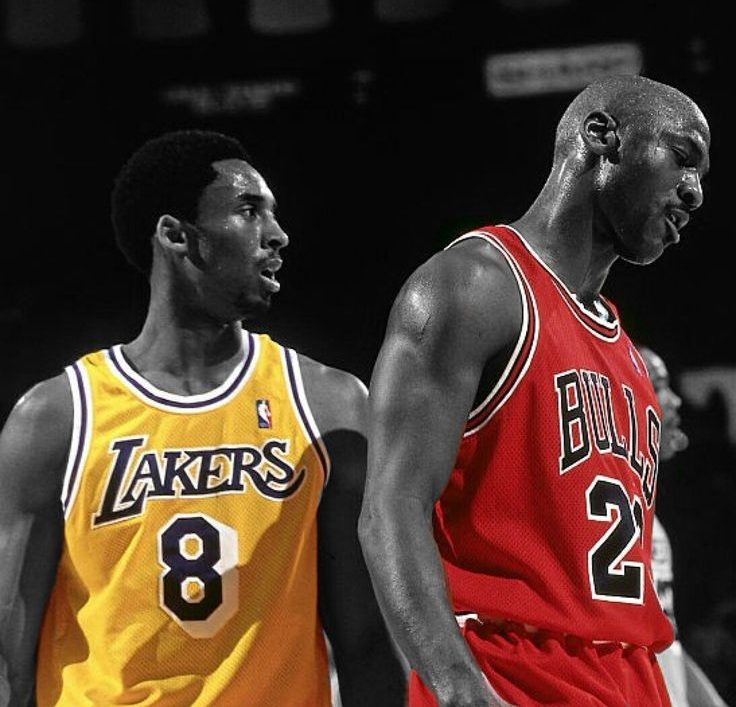
In closing, let’s end on a high note with a few pointers from two of the game’s greatest NBA players — Michael Jordan and Kobe Bryant. Now, their fixation on greatness rubbed so many people the wrong way. I witnessed it firsthand while playing for the Sacramento Kings in the 1990s and early 2000s. They irritated their teammates, aggravated sportswriters, and frustrated opposing fans, especially in hostile arenas on the road. These iconic figures were never satisfied with what they accomplished the previous season, past game, or last acrobatic shot. Why? Because comfort is the enemy of growth, especially when a self-mentoring investment or influence opportunity is on the line. And it has everything to do with excellence, not perfection. Jordan and Bryant displayed this every time they stepped on the court. Their secret, which can be yours, too? Greatness defined is process refined. Don’t settle for influence mediocrity. Aim for outlier status. Keep working on your internal and external improvement strategy, no matter the result. Be a growth-oriented difference-maker. Develop a mentoring mindset that won’t let you go through the motions. Ever. Mentorship is leadership, and please don’t forget this: You can’t take anyone further than where you currently stand. Doesn’t matter if it’s a mentee, sports team, or department.
Questions to Consider:
Which areas of your influence strategy do you need to refine as a mentor or sponsor? Be honest.
What are your most rewarding and challenging aspects of mentoring as a mentee, mentor, or mentorship organization? Why?
Who has had the biggest impact in your life, leadership, and legacy pursuits as a mentor from afar or within arms reach? Why?
Interested in Learning More?
Click the button below to learn more about my mentoring initiative and other empowerment offerings to assist your organization.
Related Articles
Nothing found.
The Influencer in You - 5 Part Series #1
The Influencer in You: Why Mentoring Works, How It Changes Lives, and Where It Transforms Legacies

In celebration of National Mentoring Month, I am presenting a five-part series on why mentoring works, how it changes lives, and where it transforms legacies. Think about all of the mentors who’ve played an instrumental role in your life, leadership, and legacy pursuits. Have you thanked them lately? Caregivers, coaches, teachers, pastors, managers, social workers, and others have influenced us in profound ways. In turn, how do we “pay their investment forward” by making a mentoring difference inside and outside the workplace? Let’s set our game plan aside for a moment. Here’s what we do know. Mentors come in all shapes and sizes. Some are tall like me, while others are vertically challenged. They cover the racial spectrum; no ethnicity (or gender or social class) has a monopoly on who gets mentored. We’re all being influenced by someone or something, either positively or negatively. One thing is certain, however: seasoned mentors are bonafide tour guides. They transport their mentees to places and spaces by way of experience. The road frequently traveled is the path of familiarity. Of course, some newbie influencers, notably peer-to-peer mentors, won’t have an accurate lay of the land until they navigate it alongside their youthful counterparts. Yes, it’ll be fraught with pitfalls, roadblocks, and hazard signs. Please note: Growth can’t occur without some degree of topographical friction. Mentors must deal with their fair share of detours.
Without his fanfare, I’ve been called a softer version of David Goggins, a man with an impressive pedigree as a former navy seal and current world-class speaker. I’m quite familiar with who he is (because of the comparisons). But only recently — on January 3, 2024, while working out when I didn’t feel like it — did I become acquainted with his in-your-face style. Within minutes of the interview with Andrew Huberman on YouTube, Goggins discussed what makes him click, stick, and tick. He has little sympathy for others (his words, not mine!); I am quite empathetic. He admittedly has memory and recall struggles; learning comes quite naturally and easily to me. He grew up a chunky kid, weighing over 300 pounds in childhood; soaking wet, adding pounds to my 6’9” frame has always been incredibly difficult, even in adulthood. But the thing we do have in common is an insatiable appetite for self-mentoring. You see, most of us tend to wear the “self-motivated” label as a badge of honor. And there’s nothing wrong with this! But I prefer “self-mentored” since motivational cues can be fleeting when warm, fuzzy feelings stop flowing. Whether in a solo or crowded setting, self-mentoring proponents realize that their audience of one will always hold them accountable. As both a cheerleader and critic, the echo chamber of internal growth wouldn’t have it any other way.
The litmus test of effective mentoring is continuous improvement. I know, a trite saying that doesn’t carry as much weight as it once did (circa 1990s). Today, that expression is so passé. But change can’t take place on the outside unless transformation occurs on the inside. Never being content with the status quo is how anyone, and everyone, can become a top-notch mentor or change-agent specialist. No, you don’t have to reach a 10,000 hour milestone to obtain outlier status in the influence arena (as highlighted in Malcolm Gladwell’s bestselling book, Outliers). You can start right now — today. But most people talk themselves out of a mentoring commitment for several reasons:
- They are quick to point out, “I just don’t have the time.” Join the crowd; we’re all super busy. I realize my response sounds Gogginish 🙂
- An autopilot existence is perfectly fine for the vast majority of Americans. If no day is different than the next, then you, my friend, are tiptoeing the line of a mediocre life. Keep in mind that the currency of change requires an ongoing payment to sustain growth.
- A lot of mentoring fence-sitters don’t know where to start.
Well, look around. Our households, extended families, friendship circles, work places, and communities are screaming for mentors. Of the relatable, reliable, and reputable kind. Add reasonable to the mix, too. In this series, I’ll challenge you (just like David Goggins) to hit the influence mark personally, professionally, and philanthropically. Why? Because when you see a mentoring need and don’t fulfill it, a lot of innocent people get left behind due to your awareness breach — many of them permanently.
Questions to Consider:
Who has had the biggest mentoring influence on your life personally, professionally, and philanthropically? Why?
What hangups, holdups, and hiccups do you have with mentorship or sponsorship in an organizational setting? Be honest. (The difference between mentors and sponsors? Mentors make an investment, while sponsors expect a return on their investment. Their ROI is often based on a quid pro quo arrangement with protégés.)
How likely or unlikely are you to enter a mentoring engagement with someone who doesn’t look, think, or act like you (or your comfort zone clique)? Why?
Interested in Learning More?
Click the button below to learn more about my mentoring initiative and other empowerment offerings to assist your organization.
Related Articles
Nothing found.
Giving Back So Others Can Start Moving Forward
Year In Review –– 2023
Giving Back So Others Can Start Moving Forward
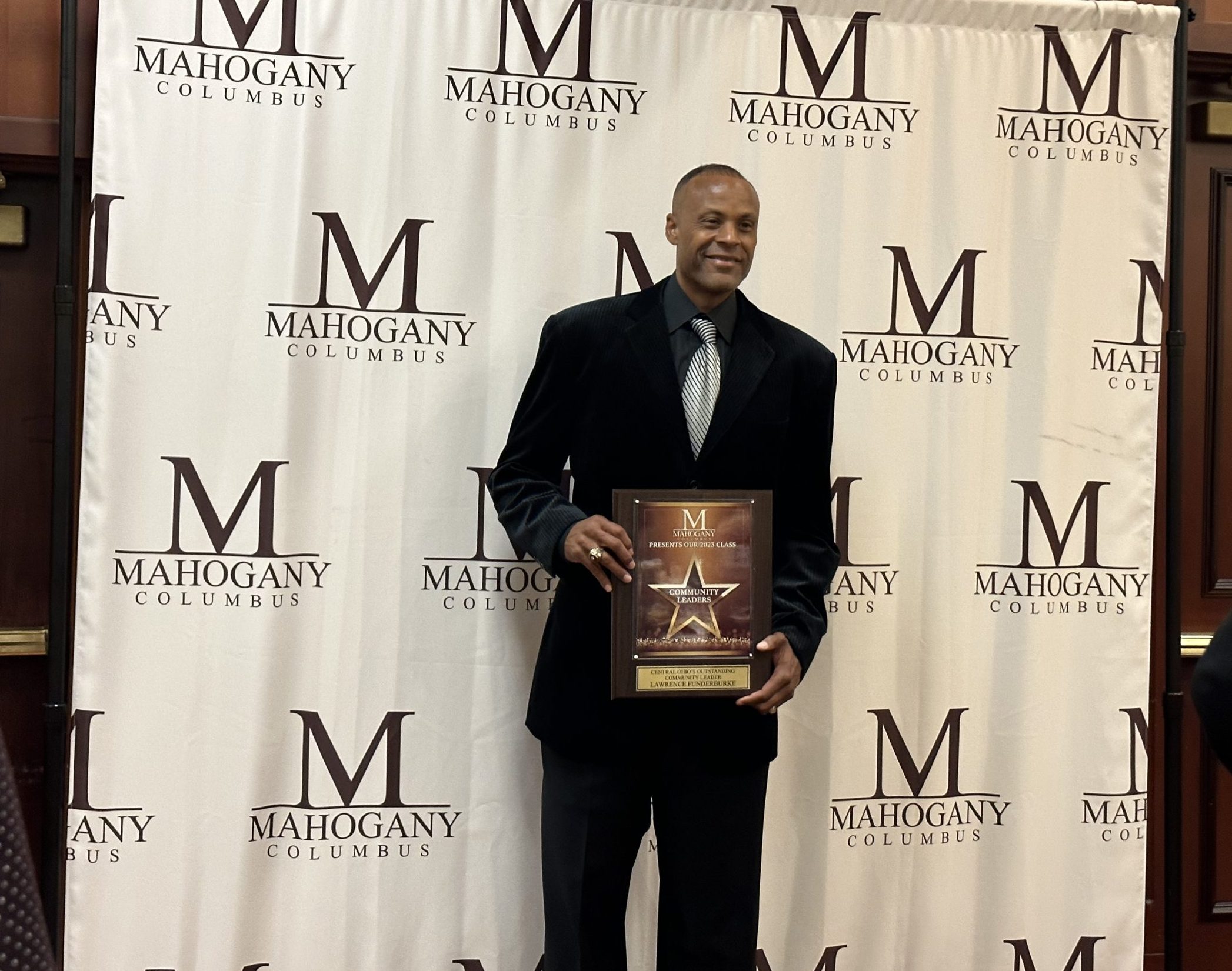
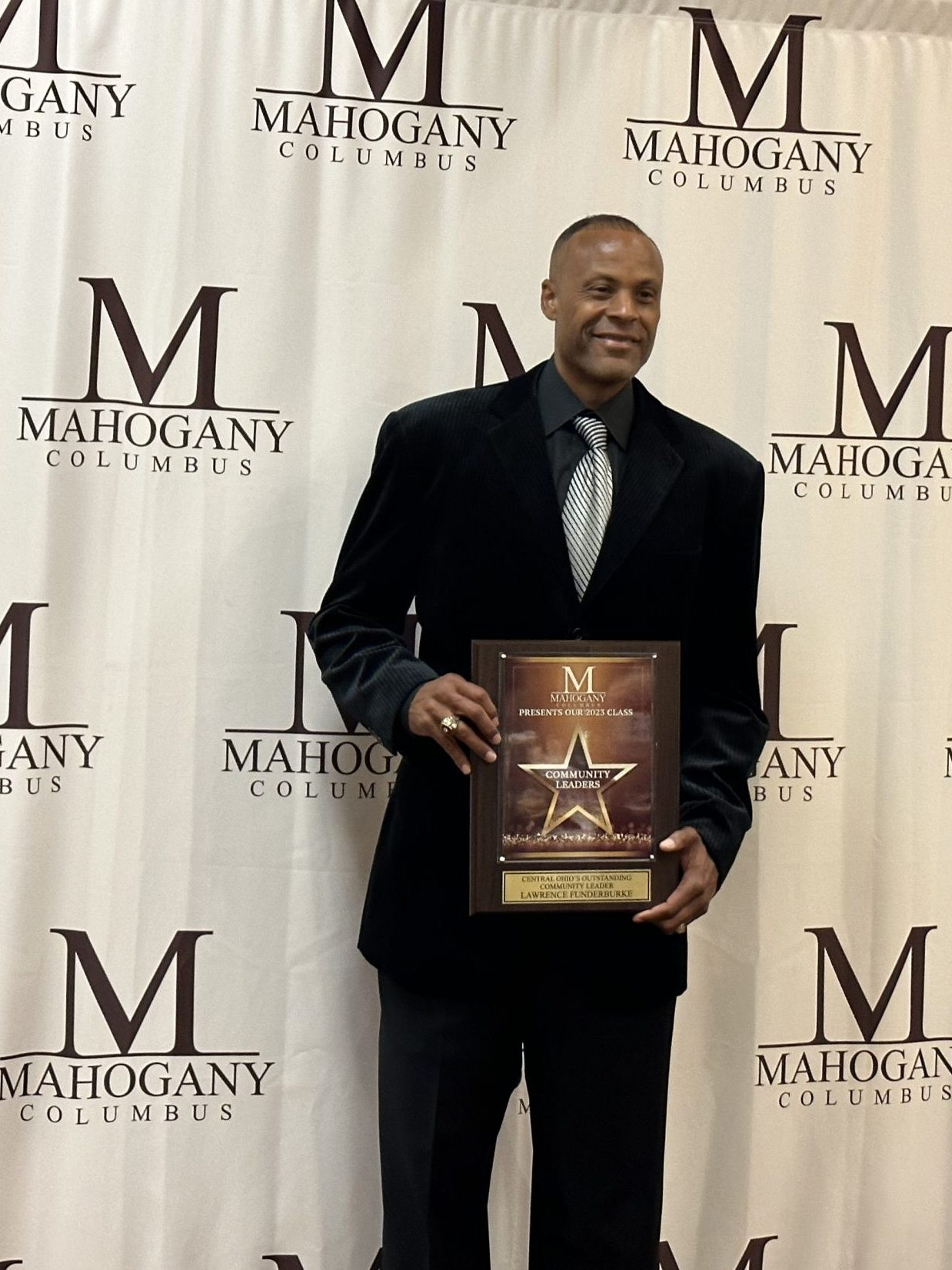
Monya and I want to thank LFYO supporters, partners, and board members who made 2023 a year to remember. More than 750 at-risk individuals were impacted by our programs, workshops, and camps. From personal branding to job skills readiness to financial fitness, participants were given the game plan to achieve better life prospects and legacy pathways through cutting-edge offerings. Every innovative app and sensory-based tool is created in-house to make learning an inviting and empowering experience. For our efforts, LFYO was the recipient of Mahogany Columbus’ Central Ohio’s Outstanding Community Leader Award.
The Columbus Foundation
Central Ohio’s Outstanding Community Leader Award
Crimson Cup Coffee Headquarters
2023 LFYO Fundraising Luncheon
The 2023 LFYO Fundraising Luncheon on September 15th at Hyde Park Prime Steakhouse was spectacular. The beautiful weather. The first-class service. The heartwarming atmosphere. Attendees were treated to scrumptious appetizers, a steak-chicken-and-salmon trio, and a delectable dessert combo. Speakers shared insights that resonated on a number of fronts, most notably how to make a lasting difference in helping vulnerable males reach outlier status as statistical anomalies. As Clark Kellogg and Gene Smith highlighted in their riveting speeches, Buckeye Nation is a family of caring souls and equally generous hearts.
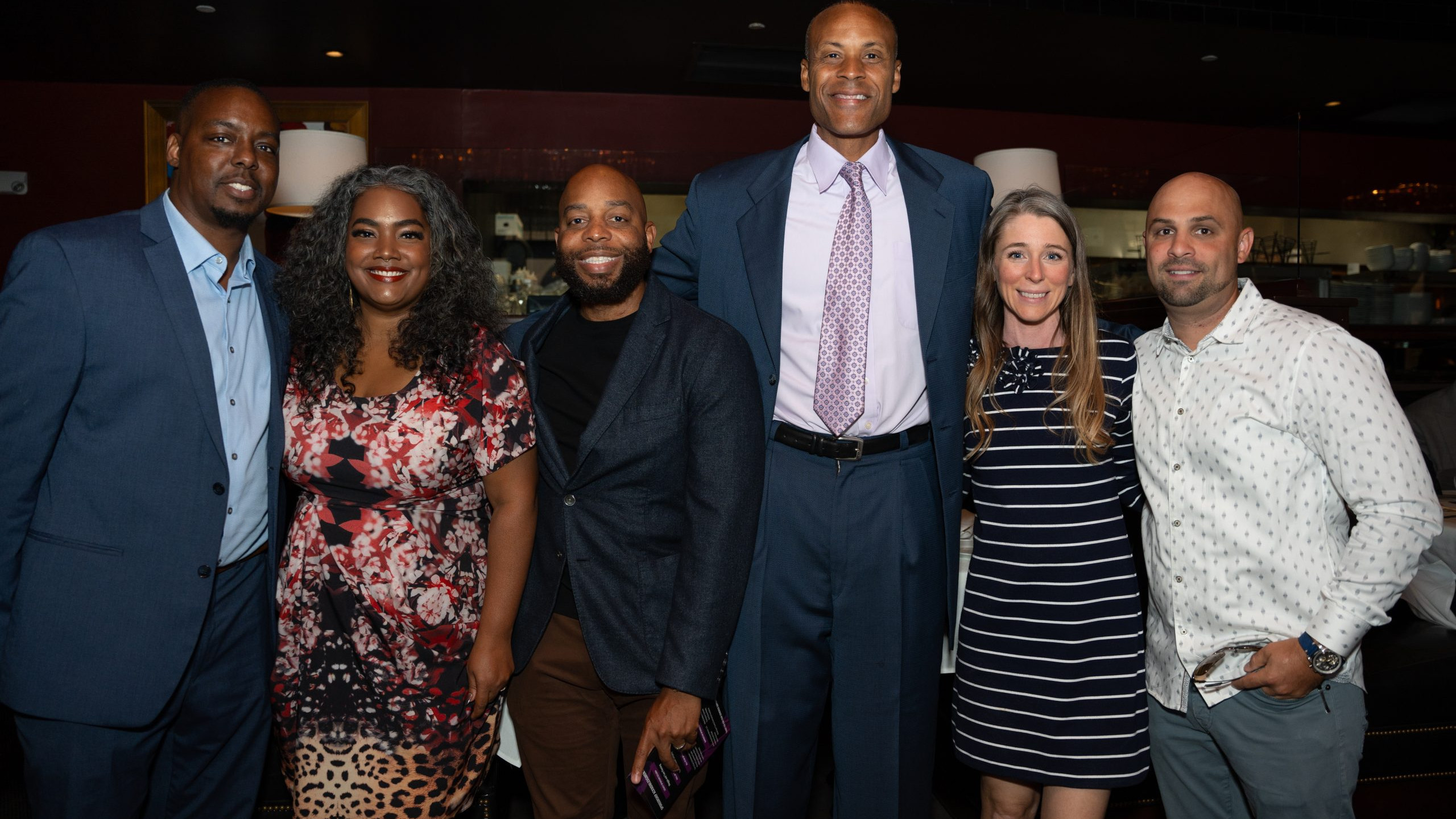
All-Star Sponsor Lindsey and Jacob Osborn (far right)
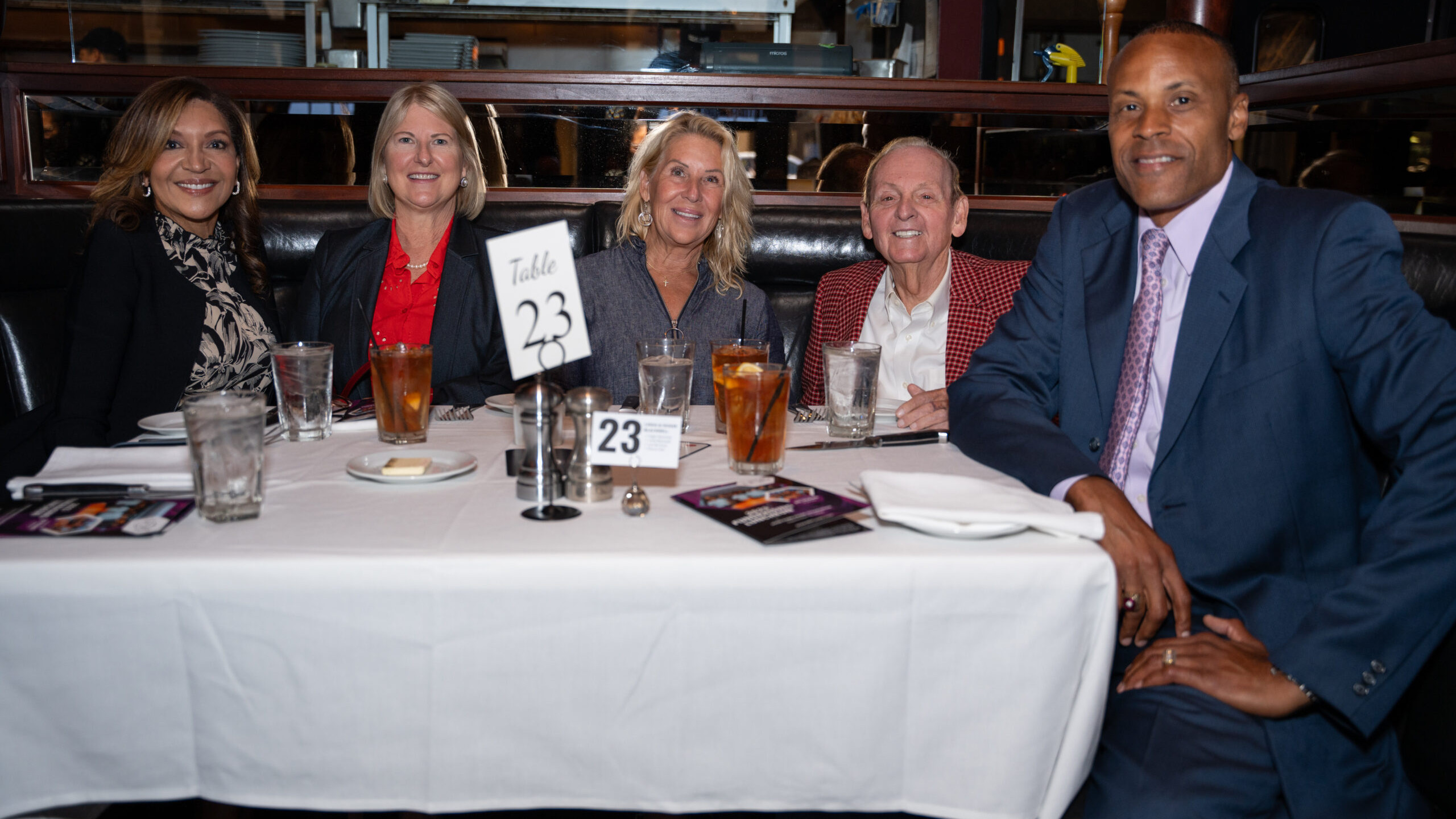
All-Star Sponsor Linda and Roger Blackwell (center right)
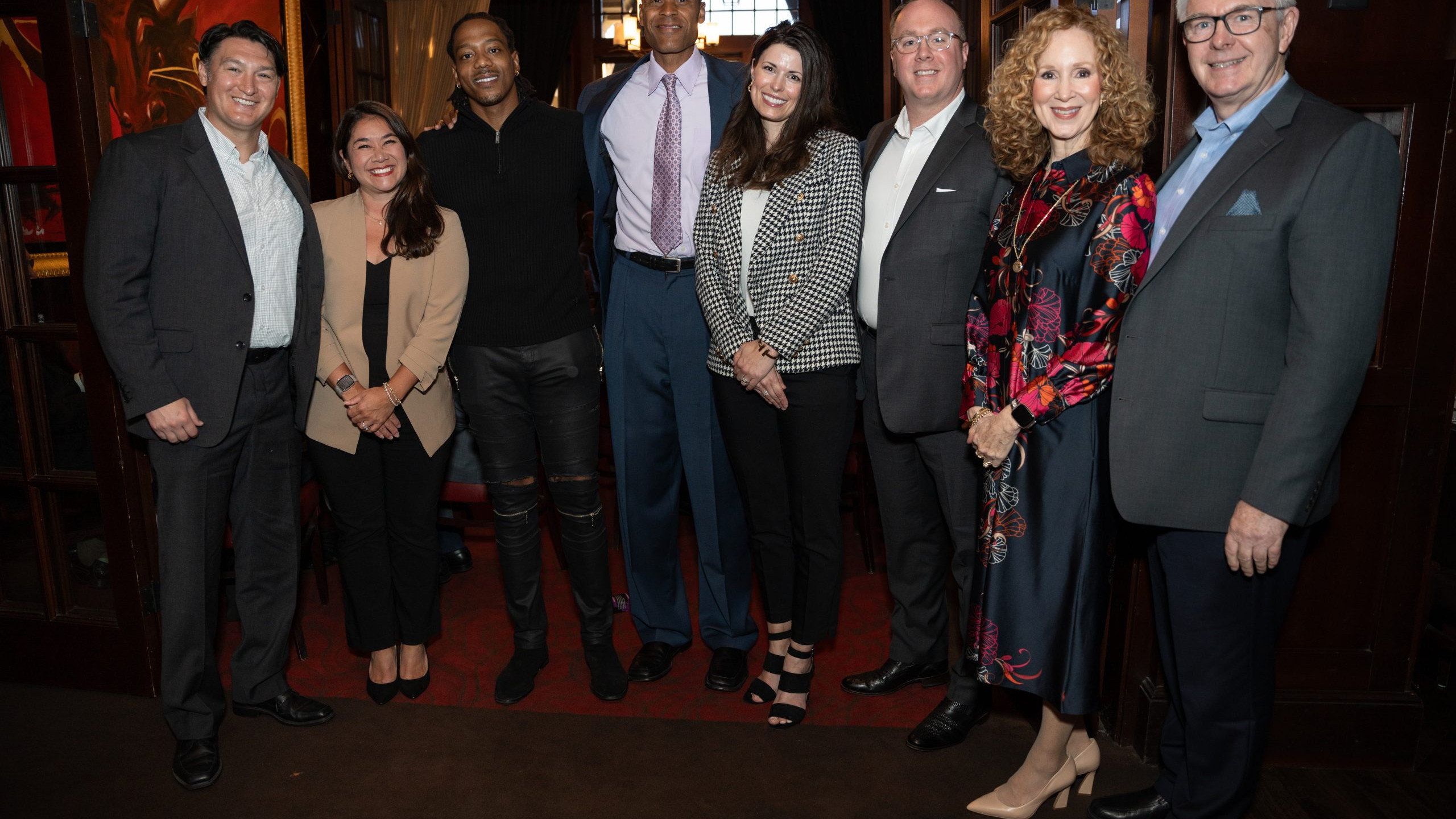
All-Star Sponsor Rebecca and Brandon McAllister (center right)
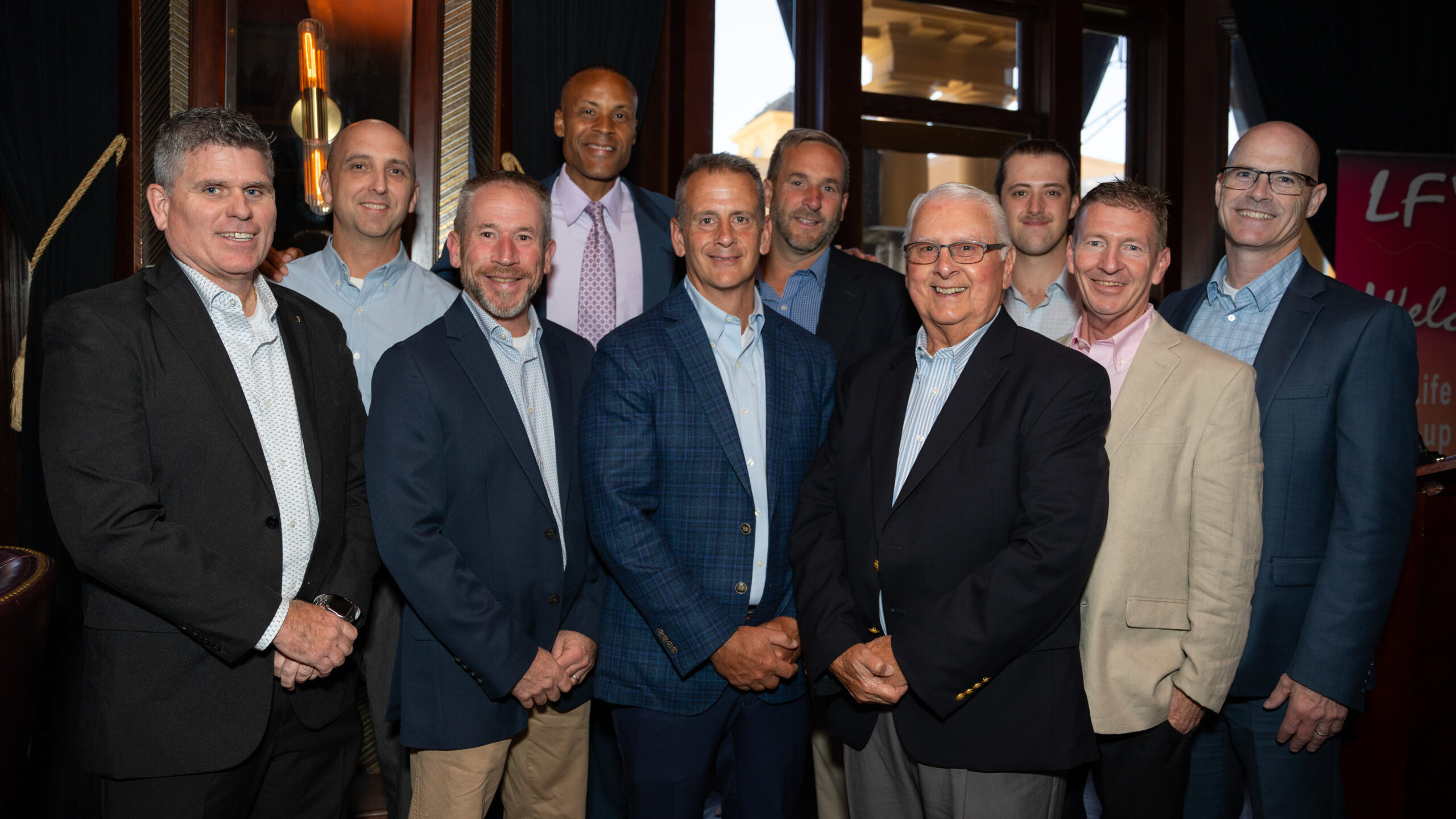
Legacy Sponsor Tom Fleming with Guests (front row center)
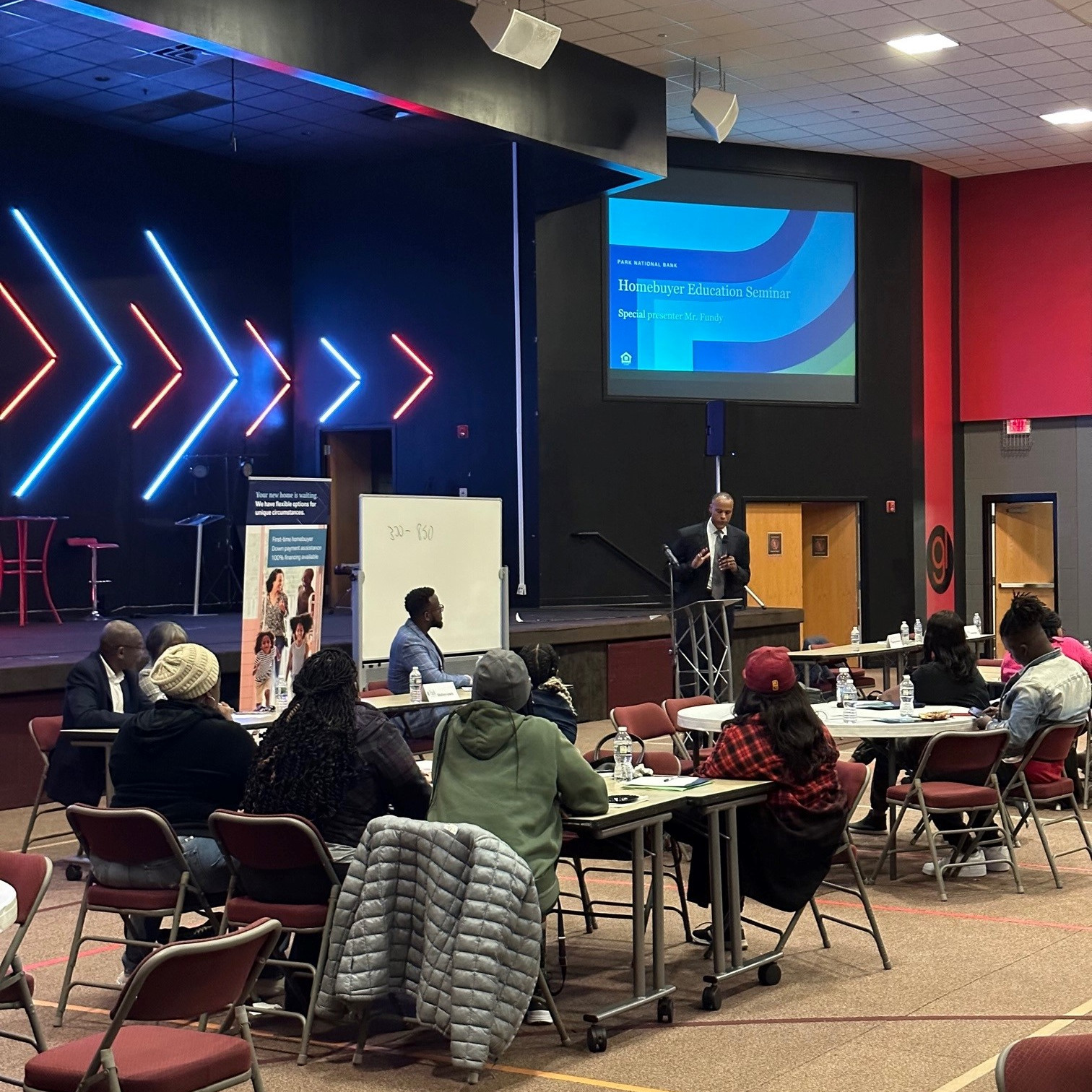
First Church of God
In partnership with The GoodLife Foundation and Park National Bank, we hosted a homeownership and economic empowerment workshop for underserved communities on November 9th.
Holiday Generosity
The holidays offer us a time to (re)connect with family and close friends. They also provide us with the privilege of helping those most in need. We want to recognize the Fahlgren family for blessing Cinnamon, a single mother of five, with groceries and Christmas presents. Tears swelled in Cinnamon’s eyes as she watched her youngest child, an adorable three-year-old, grin from ear to ear with excitement. One trip after another, the gifts kept pouring in as the Fahlgrens retrieved more and more goodies from their jam-packed vehicle. John Fahlgren is an LFYO partner and the owner of Sow Plated. Located in Upper Arlington, this is our favorite restaurant in Central Ohio. Great Food = Good Mood!

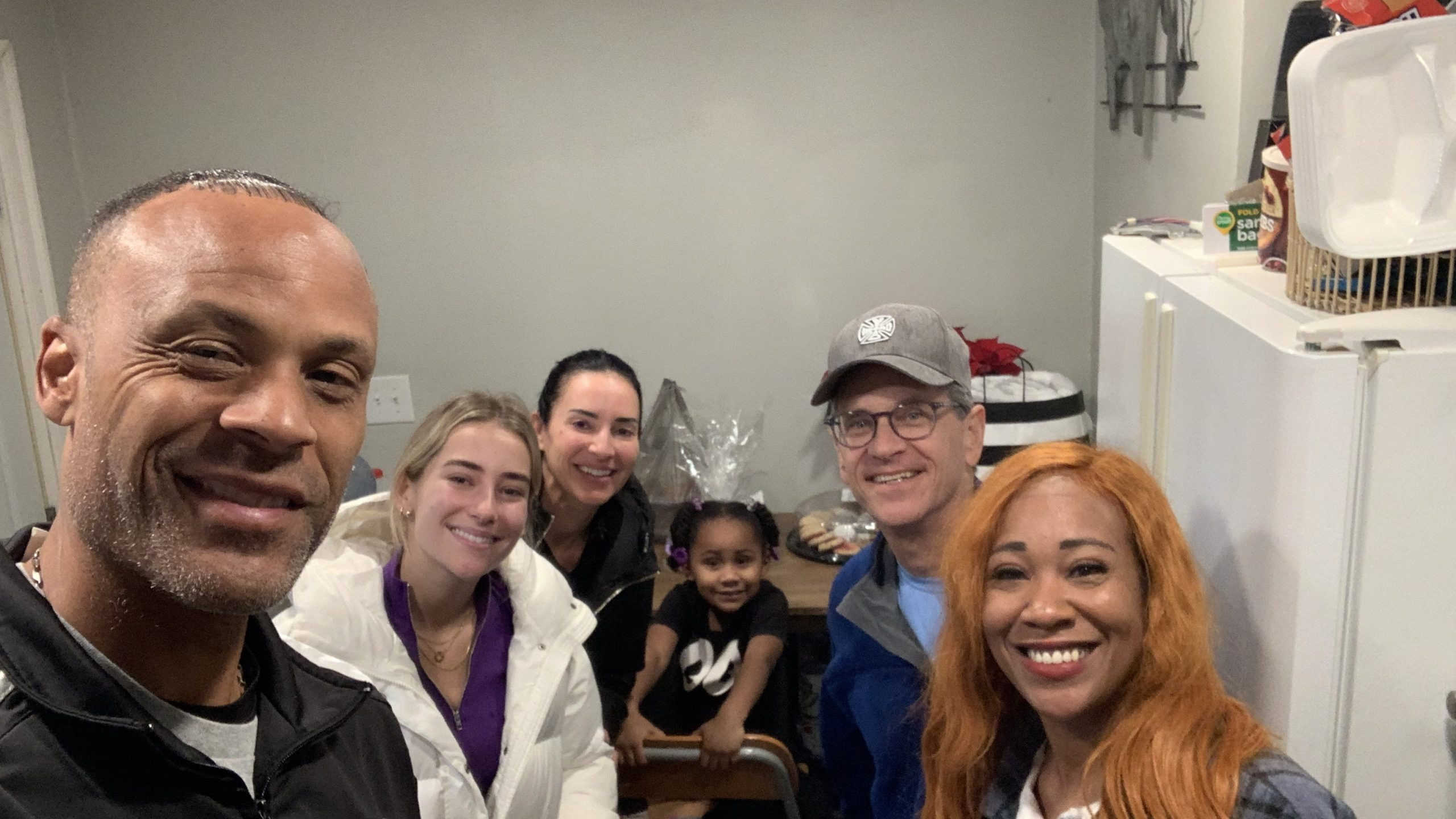
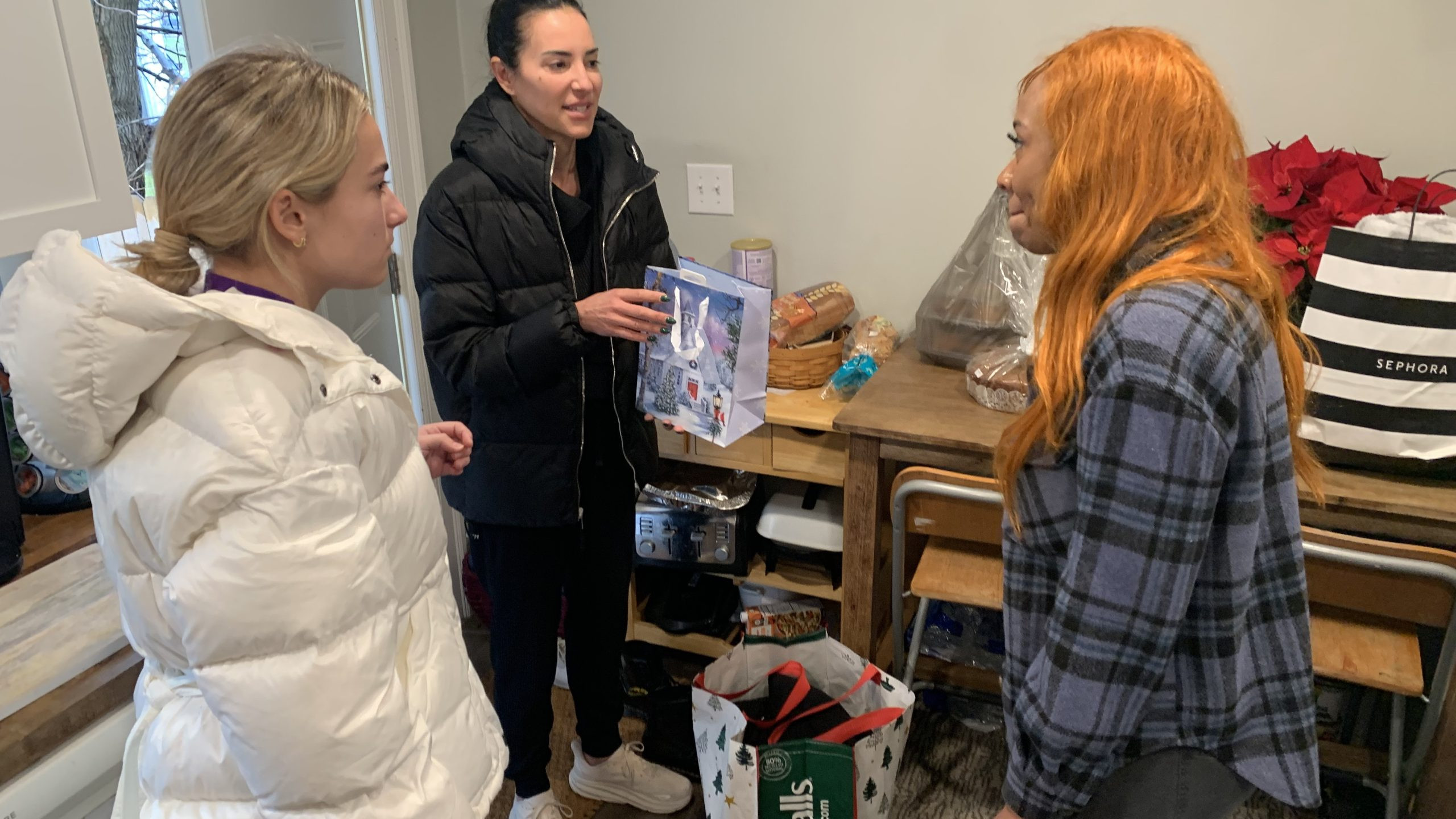
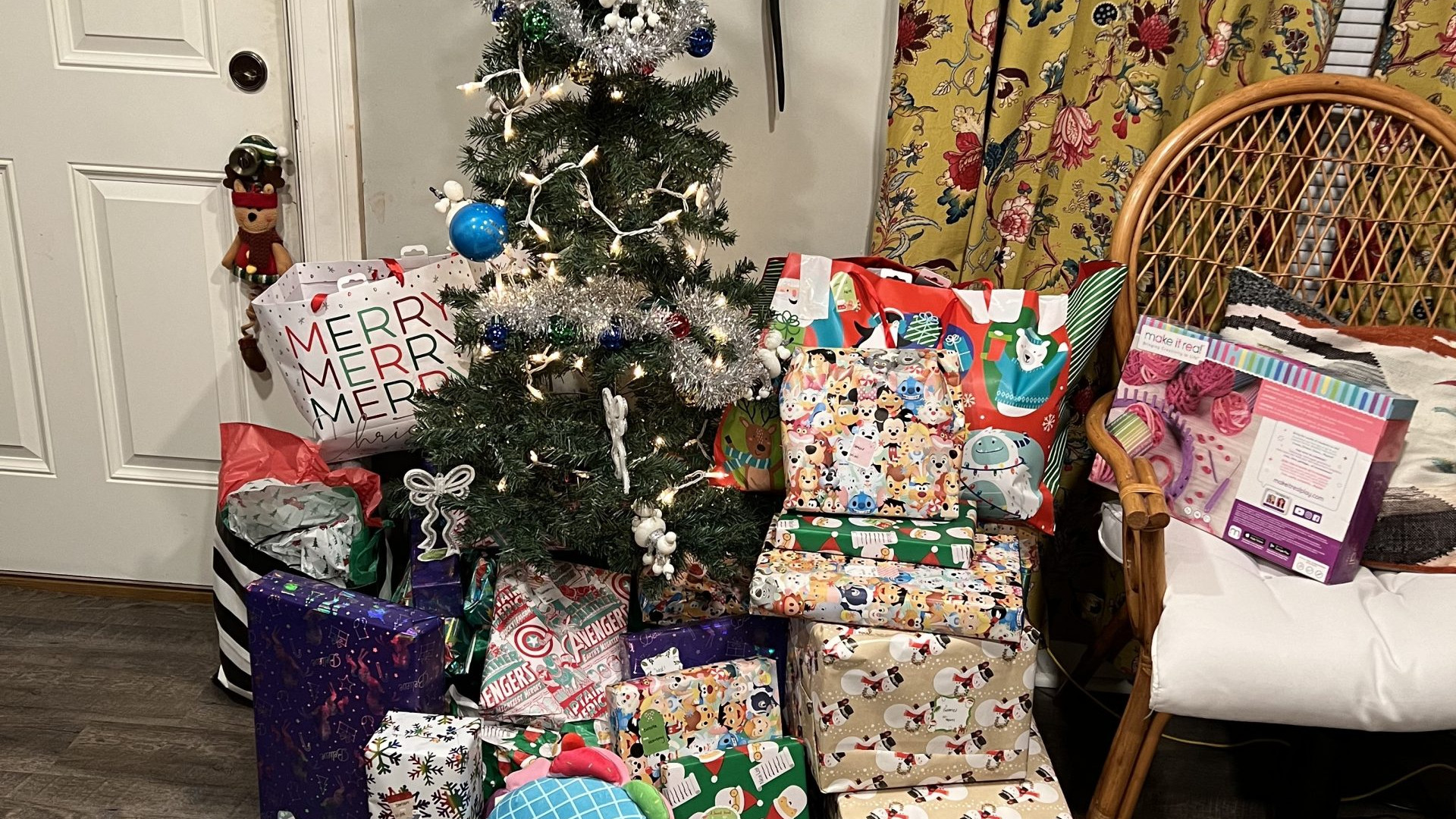
NBA Basketball Experience
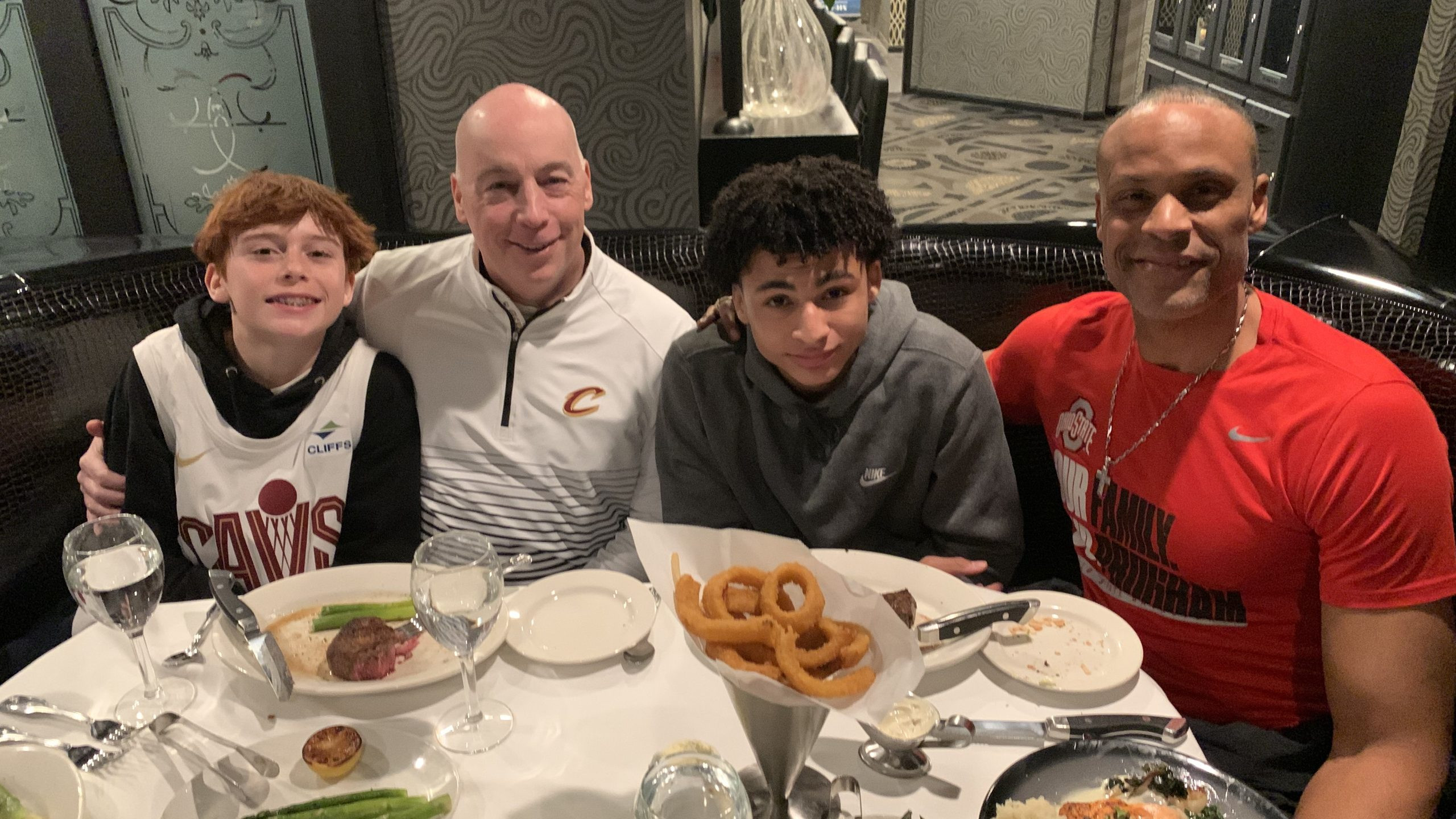
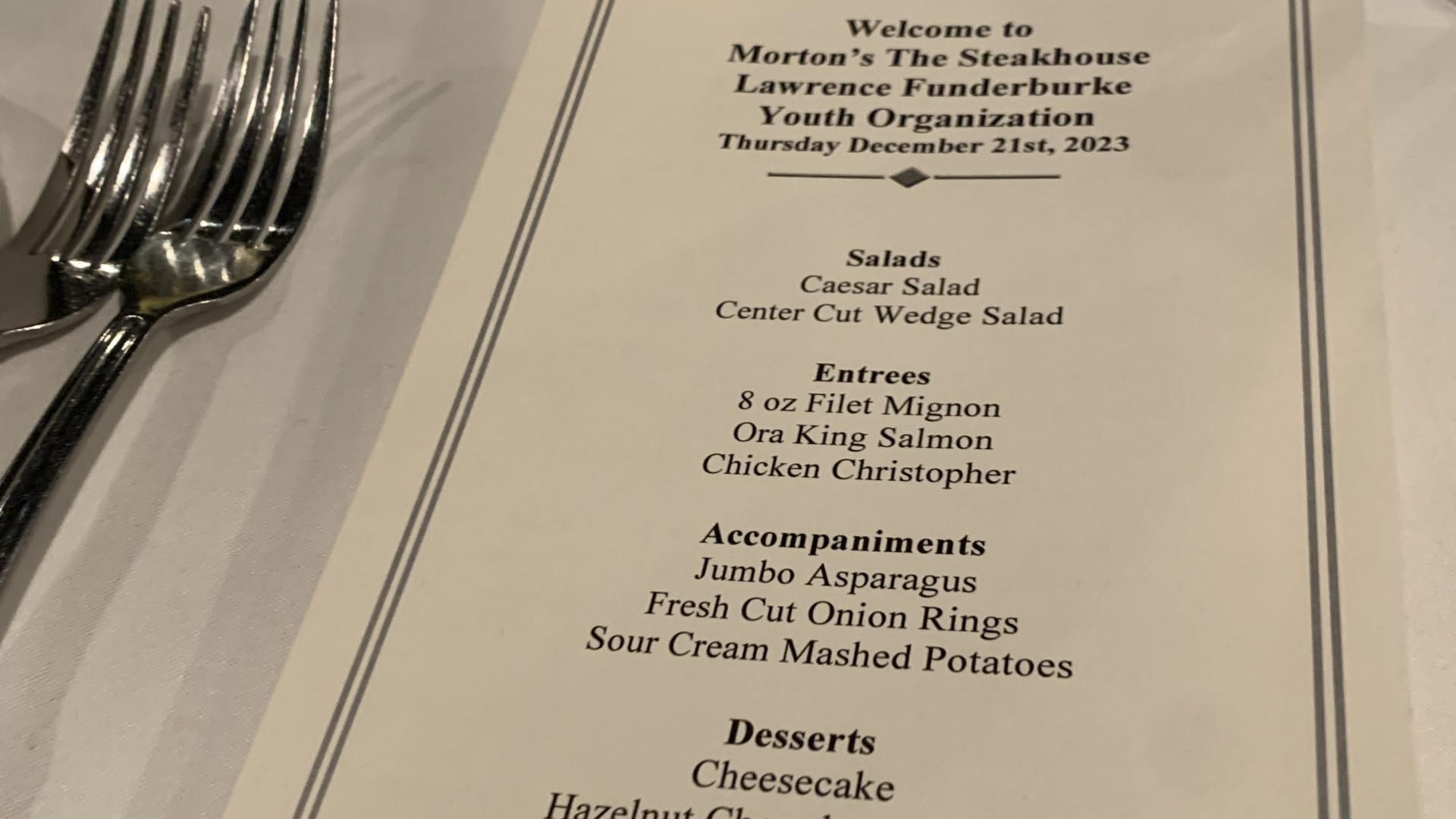
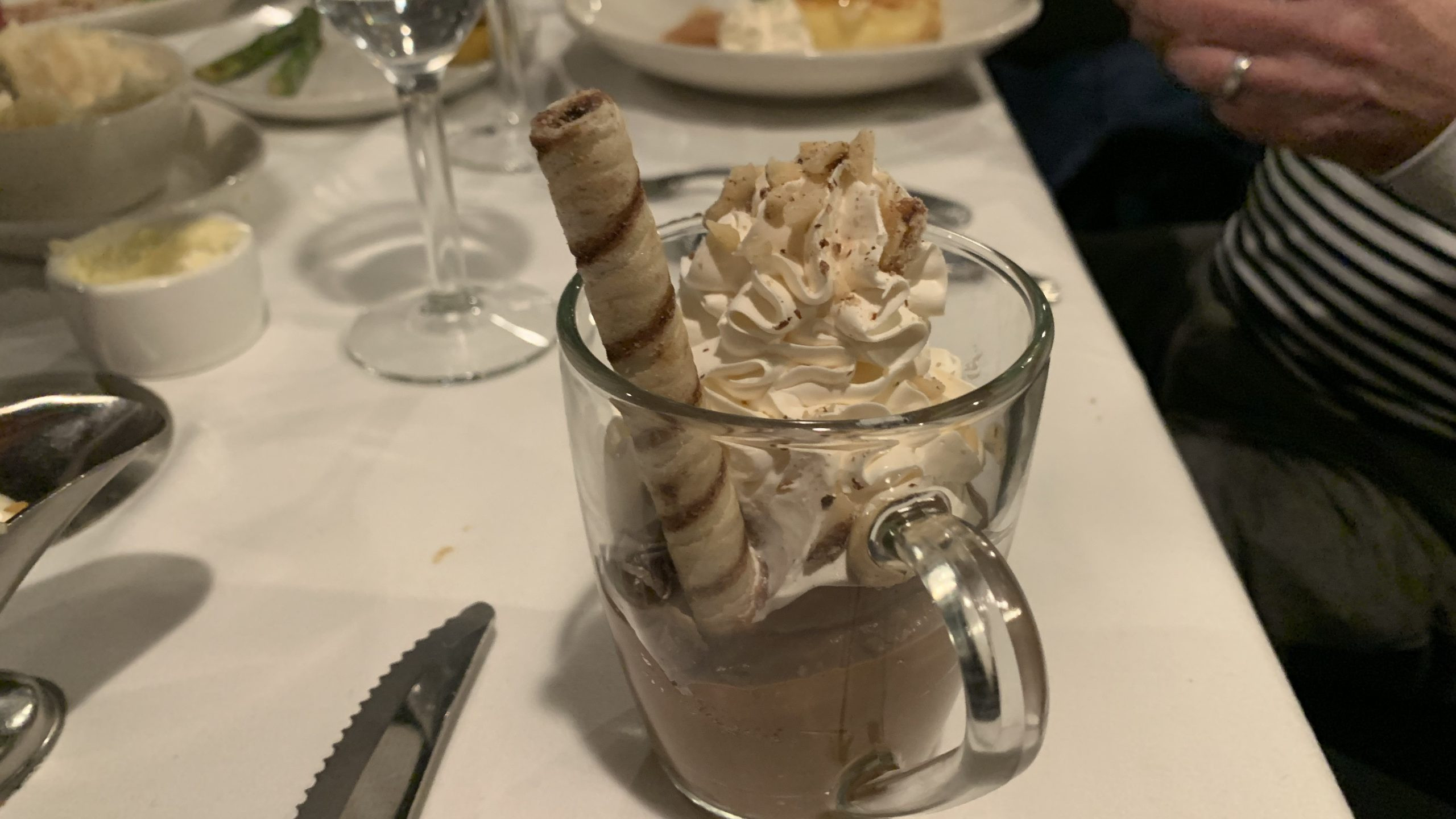
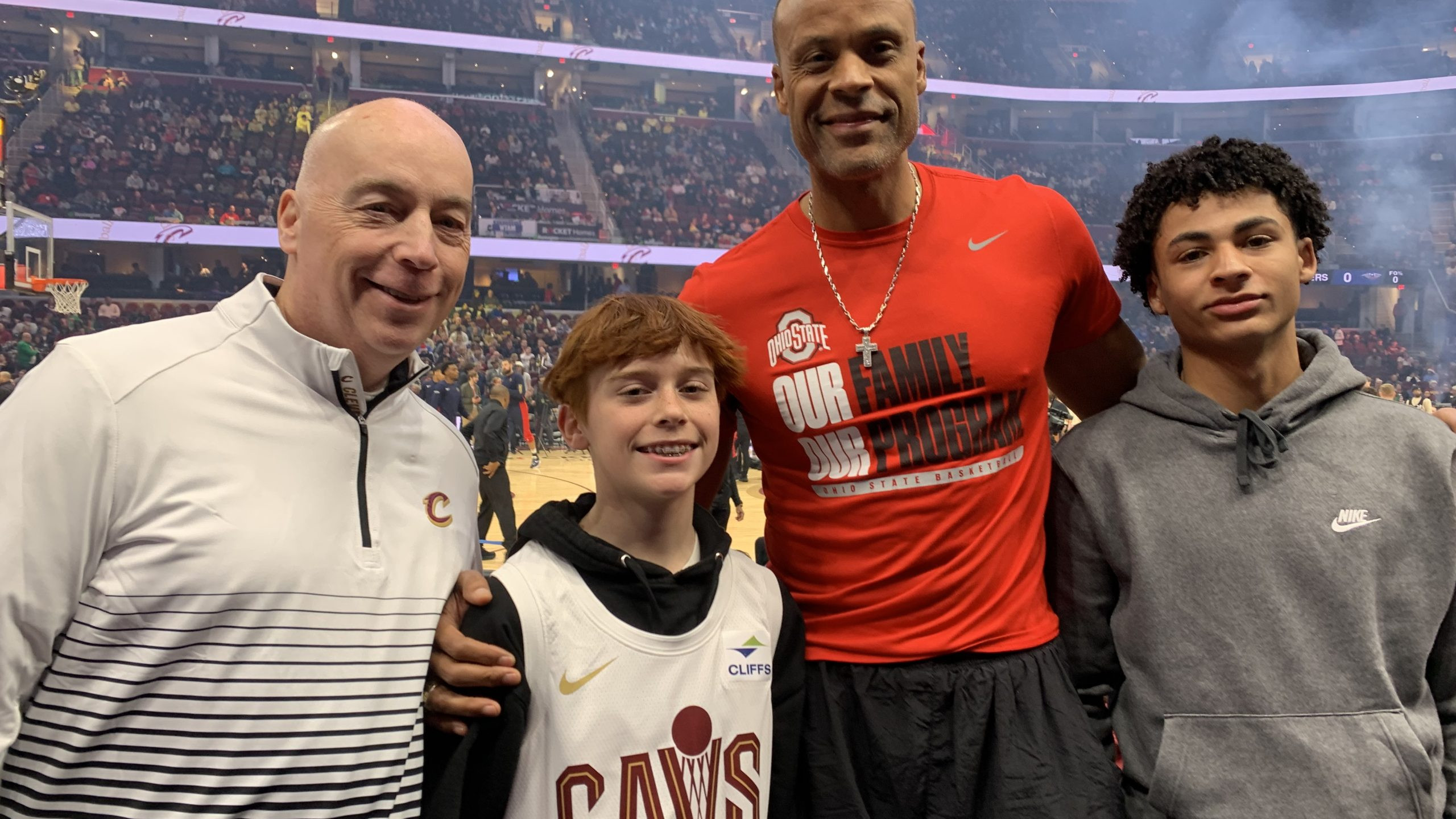
Lastly, let’s talk basketball. Tom Warner was the auction winner of The Cleveland Sports Package at our fundraising event, which included a four-course dinner at five-star Morton’s Steakhouse and lower-bowl tickets to watch the Cavs play the New Orleans Pelicans on December 21st. Cavs legend, Campy Russell, donated the tickets; our seats were five rows behind the Pelicans bench. (Included in the photos are Tom, his son Grant, me, and my son Eli.)
High School Basketball and Mentoring Program
The year ended with the launching of LFYO’s new initiative, The Mr. Fundy’s Mentoring Playbook for Youth and Young Adults. Mentoring concepts are crystallized through basketball terminology. Monya and I presented three workshops for the coaching staff and varsity boys basketball teams at Hartley, Walnut Ridge, and Africentric, respectively. Players were fed a deliciously healthy meal, shown how to identify and articulate their personal brand, and given the template for lifelong success as outlined in our mentoring playbook poster. I’ll share more insights on mentoring in a five-part series throughout this month. January is National Mentoring Month. Time for you-me-us to step up our influence game personally, professionally, and philanthropically.
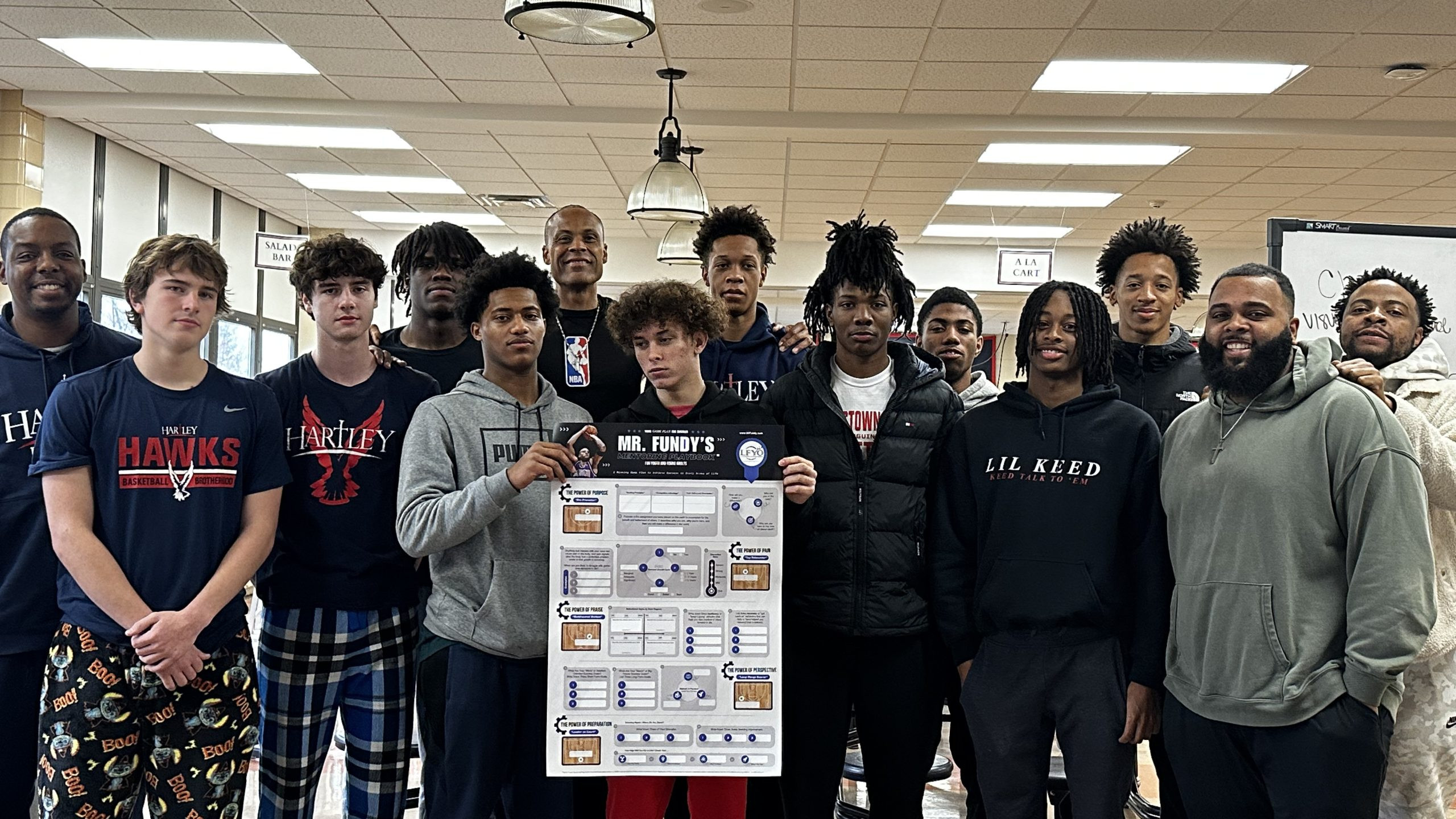
Bishop Hartley Varsity Boys Basketball
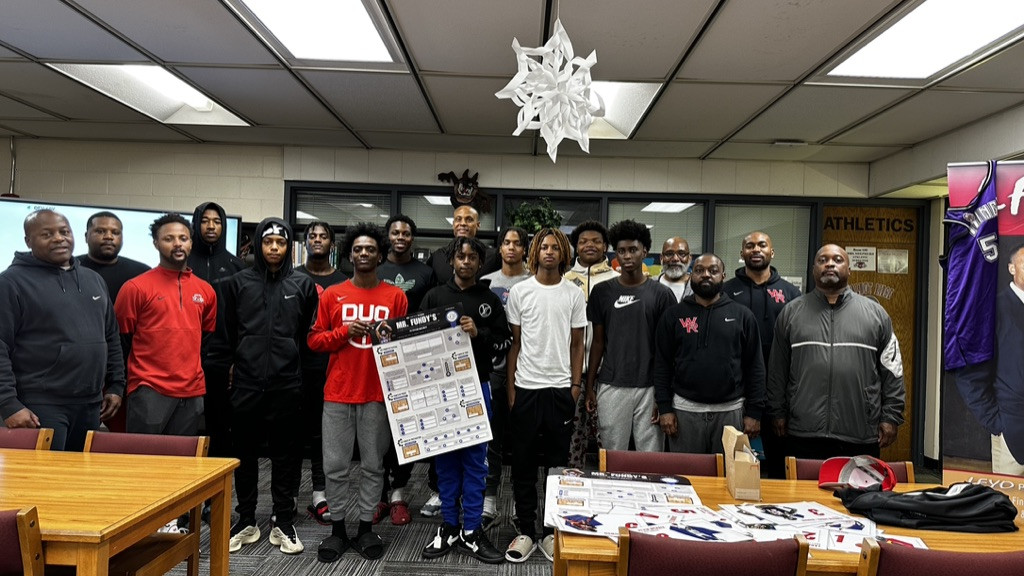
Walnut Ridge Varsity Boys Basketball
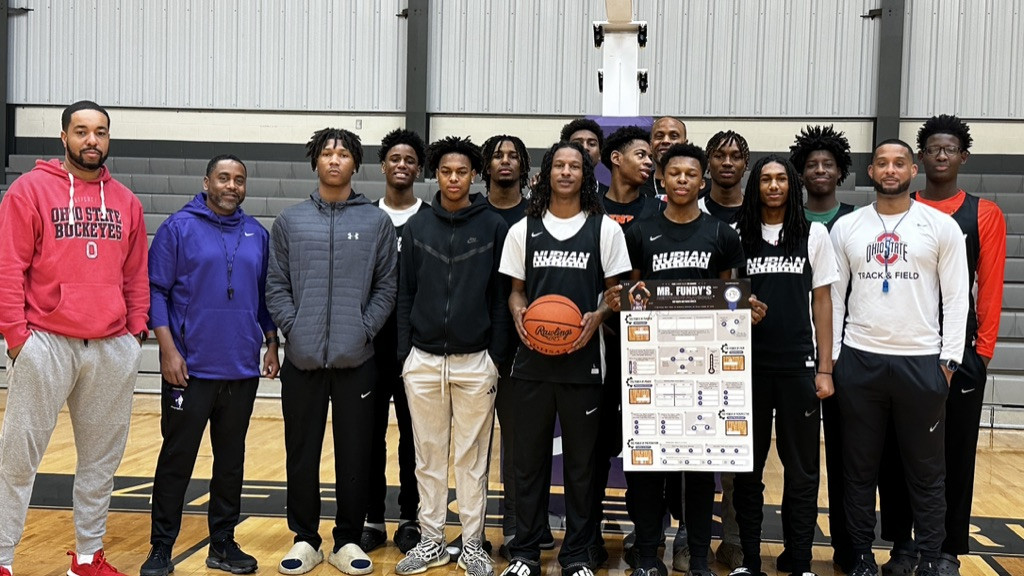
Africentric Varsity Boys Basketball
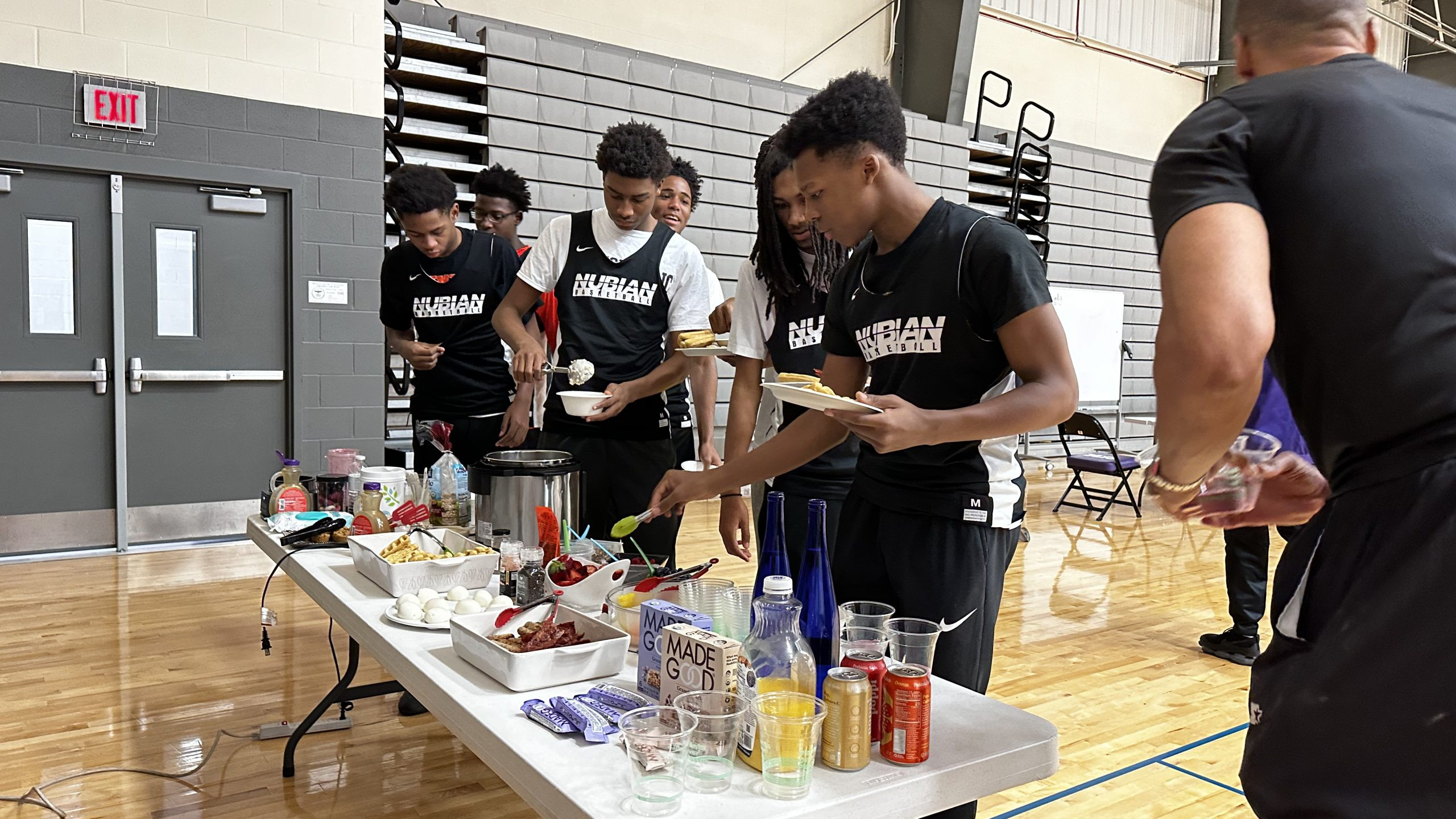
Deliciously Healthy Brunch
With your support, we can continue to make a real difference in the lives and legacies of vulnerable communities

The Power of Mentoring – Giving Tuesday
Giving Tuesday
November 28, 2023
The Power of Mentoring
How an Attitude of Gratitude Can Transform Our Central Ohio Community
Giving Tuesday is one week away, a global movement with local momentum to change lives and transform legacies. Here’s where your help comes into play with a much-needed assist. On Tuesday, November 28, The Columbus Foundation will cover all fees for gifts made by credit card through The Giving Store to support the Lawrence Funderburke Youth Organization. So, 100% of EVERY tax-deductible donation made on this date through The Columbus Foundation will go directly to LFYO!
Outside of a parent or family member, who has had the biggest influence in your life personally, professionally, or philanthropically? It’s probably safe to say that this person or group has served as a trusted mentor, a relatable and reliable tour guide with a proven track record in producing verifiable results in your life. Without this guidance-counselor relationship and success GPS system, where would you be? Now, imagine what life is like for at-risk youth who have been shortchanged from birth to adolescence in the area of effective mentoring. I’m not making excuses, but these young people are likely going to take their pain out on others, or themselves, or take matters into their own hands (a la Kia Boys) to navigate their brutal existence. And a young mind is ill-equipped to carry this burden alone.
We fell short of our $250,000 goal in raising funds at our 2023 LFYO Fundraising Luncheon by $100,000. We’re still hopeful that we can achieve our capital objectives by year’s end. Why? Because you’re assist, really investment, will help us serve over 5,000 participants through the Mr. Fundy’s Mentoring Playbook for At-Risk Youth and Vulnerable Young Adults. In fact, some of the mentees will serve as peer-to-peer mentors and receive compensation for their efforts. Money can act as an incentive, but development activates the real reward.
In closing, peer-to-peer mentoring, or what I term, horizontal influencing, is about the village elevating the village. This can occur by pushing, pulling, or propelling each other across the success finish line. Adults can serve as facilitators of youth-led change, but the workload rests with the initiators of transformation — peers who look, think, and act like them. Yes, we can provide the appropriate guidance and applicable guardrails, but grown folk need to step aside and let our young people get in success shape through peer-to-peer coaching, conditioning, and cheerleading measures. And the life and legacy game, theirs and ours, is truly on the line. (The Mr. Fundy’s Mentoring Playbook for At-Risk Youth and Vulnerable Young Adults has been praised by Zack Klein, Columbus City Attorney.)
Thank you for your time, talents, and treasures as LFYO difference-makers and philanthropy mentors!
Click the button below to help us reach our year-end fundraising goal through The Columbus Foundation Giving Store.
Chillicothe Wellness Workshop
Chillicothe Wellness Workshop
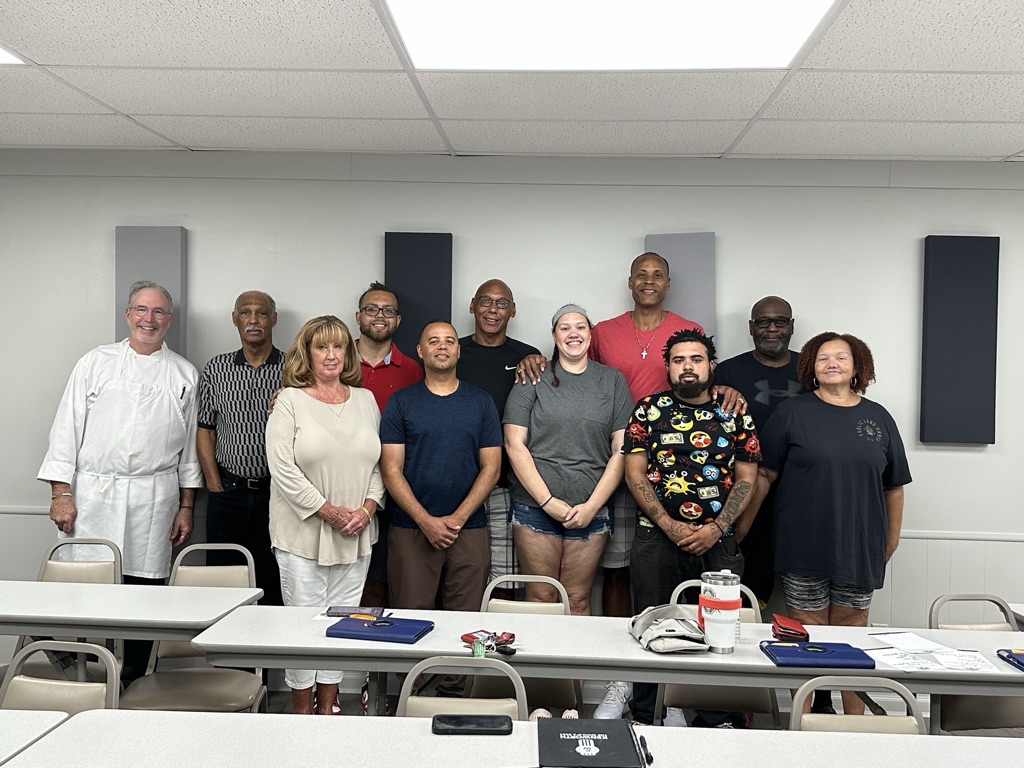
In Appalachia Ohio, 10 percent of the population are people of color, and yet, this demographic only receives 3 to 4 percent of the outreach dollars to impact this vulnerable area of the state. In partnership with the African American Community Fund, which exclusively serves Appalachia Ohio, LFYO presented a four-hour wealth and health workshop for black and brown Chillicothians on August 12th. Given the fact that my wife Monya grew up there as a child, this place is near and dear to my heart. Like so many southern Ohio towns, Chillicothe has seen its middle-class lifestyle become more and more constrained by factors outside and inside their control. They’ve also watched their most marketable quality — a rock-solid work ethic — result in less and less residual benefits. Blue-collar jobs lost in the 1980s due to global outsourcing forces to produce cheaper products at lower wages was the unfortunate catalyst. The resulting fatherless crisis (driven by purposeless adult males), drug dependency epidemic, and overall hopelessness have crippled the region. It’s a tale of two vastly different worlds. A shrinking minority have capitalized on an oasis of opportunities as risk-seeking entrepreneurs, real estate investors, and revered philanthropists. The expanding majority view life as one painful voyage with little hope for a promising future but full of legacy-altering, coulda-woulda-shoulda regrets. To most Appalachia Ohio residents, their opportunity glass is always half empty.
Our empowerment goals were clear-cut throughout the wellness workshop. Teach participants the language, lingo, and labeling of wealth and health through sensory-based approaches. All three — language, lingo, and labeling — embrace personal discomfort. Of course, no growth can occur without an upgraded mindset. An individual’s expectation of the future changes when exposure and experience are both transformed in the present. And it’s hard to get someone excited about a future that hasn’t been seen before. Thus, we familiarized participants with the investment world, a key pillar of a well-constructed financial plan. Investing is arguably the biggest stumbling block for any racial demographic, especially those who suffer from “math anxiety.” Investing in math is complex, but it doesn’t have to be complicated. Of course, it can serve as a compound interest friend or foe. (The bulk of the workshop was spent on investing. Typically, blue-collar communities instinctively understand the basics of personal or family finance — live below your means, avoid unnecessary debt, and maintain a respectable credit score. But most middle-class households in rural Ohio know very little about the stock market, even when working for recognizable, publicly traded companies.)
First up was The Portfolio Management Game, one of our signature learning modalities to bridge the growing and glowing opportunity divide in America. This PDF app crystallizes the world of investing in a language that’s relatable, palatable, and sustainable to every social class group. Each player is given $1,000,000 to invest in various investment options, including cash/cash equivalents, stocks, bonds, mutual funds, index and exchanged traded funds, private equity, and hedge funds. At the onset, though, an analysis of one’s risk tolerance and financial goals serve as key drivers of portfolio construction decisions. Participants must wait with bated breath as they watch how global economic factors and conditions impact — positively or negatively — their million-dollar portfolios on a macro level through four scenarios. Of course, taxes, inflation, diversification, and asset allocation are additional considerations of this real-world, simulated game.
The Portfolio Management Game was the perfect segue into the Mr. Fundy’s Stock Pro Game, a hypothetical investment game with both macro and micro components. Participants assessed the dynamics of large-cap, mid-cap, and small-cap stocks from a value-investing perspective. Each participant was given $1,000,000 to invest in five companies, which consisted of 10 large cap, 5 mid cap, and 5 trim cap options. From banks to airliners to software developers to clothing and apparel manufacturers as well as other industry categories, participants admitted that selections were made based on their “familiarity profile” — what they knew, who they trusted, and how they shopped in terms of products and services. Key metrics in the Mr. Fundy’s Stock Pro Game included earnings per share (or EPS), price-to-earnings ratio (or P/E ratio), dividend yield, return on assets (or ROA), and return on equity (or ROE). They were shown how to calculate market share (stock price x # of shares outstanding). Also, participants were taught how to find the missing variable in an algebraic equation when two out of three variables are known. For example, if earnings per share and number of shares are stated, then total earnings or net income can be found through deductive reasoning.
As a race, we’re behind the ball financially. And not much has changed for our wealth picture since The Emancipation Proclamation of 1865, which supposedly set us free. Blacks spend more money on food, clothing, and entertainment than any other ethnic group. What we touch as loyal consumers, we usually buy based on how it’ll make us feel. Who we wear regarding designer labels, in our minds, plays a large role in how we’re viewed, accepted, or denigrated in the eyes of others. Where we find laughter and enjoyment, is how we escape from our real or imaginary pain. As U.S. congresswoman Joyce Beatty once shared with me several years ago, “We, black folks, need to be on both sides of the cash register.” It’s time for us to break free from what holds us back as a people — feeling a certain way before we do a certain thing. Feelings can serve as a barometer, but they inevitably make a terrible guide. In the last hour of the workshop before Chef Jim Warner’s cooking demo, rule-of-thumb averages were highlighted in the five areas of comprehensive financial planning using a case study as the backdrop: life planning, financial management, investment planning, income and asset protection, and estate planning. (In general, it takes a minimum of 20 hours of intensive training to construct a viable foundation in personal or family finance. And scaffolding attributes to accumulate, protect, and distribute legacy wealth involve countless hours more.)
Chef Jim Warner wrapped up the workshop with a stellar presentation on healthy eating. Over the years, he has prepared meals for Kirk Herbstreit, Joey Galloway, Michael Redd, “Beanie” Wells, and yours truly. He discussed the important role nutrition can play in the lives and legacies of those who prioritize wholesome eating. Yes, it’s a matter of life or death every time we sit down to eat. Real food helps us think better, feel better, and do better. Warner highlighted, “Start today by making small changes in what you eat and drink.” He added, “Pay the price now so that you can reap the rewards later.” Every delicious food item prepared by Chef Warner was gluten-free, GMO-free, dairy-free, additive-free, soy-free, and pork-free (but not taste-free). Organic foods may cost more, but the benefits far exceed conventional alternatives. Even on a limited budget, quantity and quality of life are greatly improved when consuming foods that are good for the brain, belly, and body. Pay now, play later. Or, play now and pay later. Doesn’t matter if it’s our wealth condition or health status.
2023 Legacy Transforming Summer Program - Week 7
Week 7
Legacy Transforming Summer Program
In Week Seven, the Mr. Fundy’s Stock Pro Game took center stage for our in-class activity. This hypothetical investment game provided the young men with another opportunity to gain real-world financial skills while assessing the dynamics of large cap, mid cap, and small cap stocks. Each participant was given $1,000,000 to invest in five companies, which consisted of 10 large cap, 5 mid cap, and 5 small cap options. From banks to airliners to software developers to clothing and apparel manufacturers as well as other industry categories, these young men were given a behind-the-scenes tutorial on how to select winning stocks that aligned with their “familiarity profile.” My wife and I will also gift each young man with one share of stock in a local publicly traded company to get him started down the wealth-building path. Key metrics in the Mr. Fundy’s Stock Pro Game included earnings per share (or EPS), price-to-earnings ratio (or P/E ratio), dividend yield, return on assets (or ROA), and return on equity (or ROE). They were shown how to calculate market share (stock price x shares outstanding). Also, they were taught how to find the missing variable in an algebraic equation when two out of three variables are known. For example, if earnings per share and number of shares are stated, then total earnings or net income can be found through deductive reasoning.
Now, math is a subject that often terrifies at-risk communities because of painful, negative experiences. As they advance up the math continuum, by and large, so does their level of discomfort. Thus, pain and math are positively correlated in terms of saliency. Why embrace a subject that can be construed as an indictment on a representative group’s frontal lobe development? My tagline: “You don’t have to love math but you better respect it. Why? It’ll either work for or against you in the form of compound interest as an investor or debtor.” That’s why financial education is so important for this demographic. And what better way to demystify math while playing a fun game using various scenarios that help disadvantaged populations make the right moves educationally, financially, and inspirationally as their investment portfolios rise (or fall) through macroeconomic forces. The winner of the game after four macro scenarios was Gavin G., a high school senior. He increased his portfolio by almost $290,000 or 29 percent. That’s an impressive return by anyone’s standards! Kudos to Nate Palmer of Diamond Hill Investment Group for helping me fine-tune the Mr. Fundy’s Stock Pro Game, which took Monya and I roughly 90 hours to create over several years. In fact, every PDF game within our customized wheelhouse has to be exciting, thought-provoking, and transferable in scope and reach to empower a particular audience.
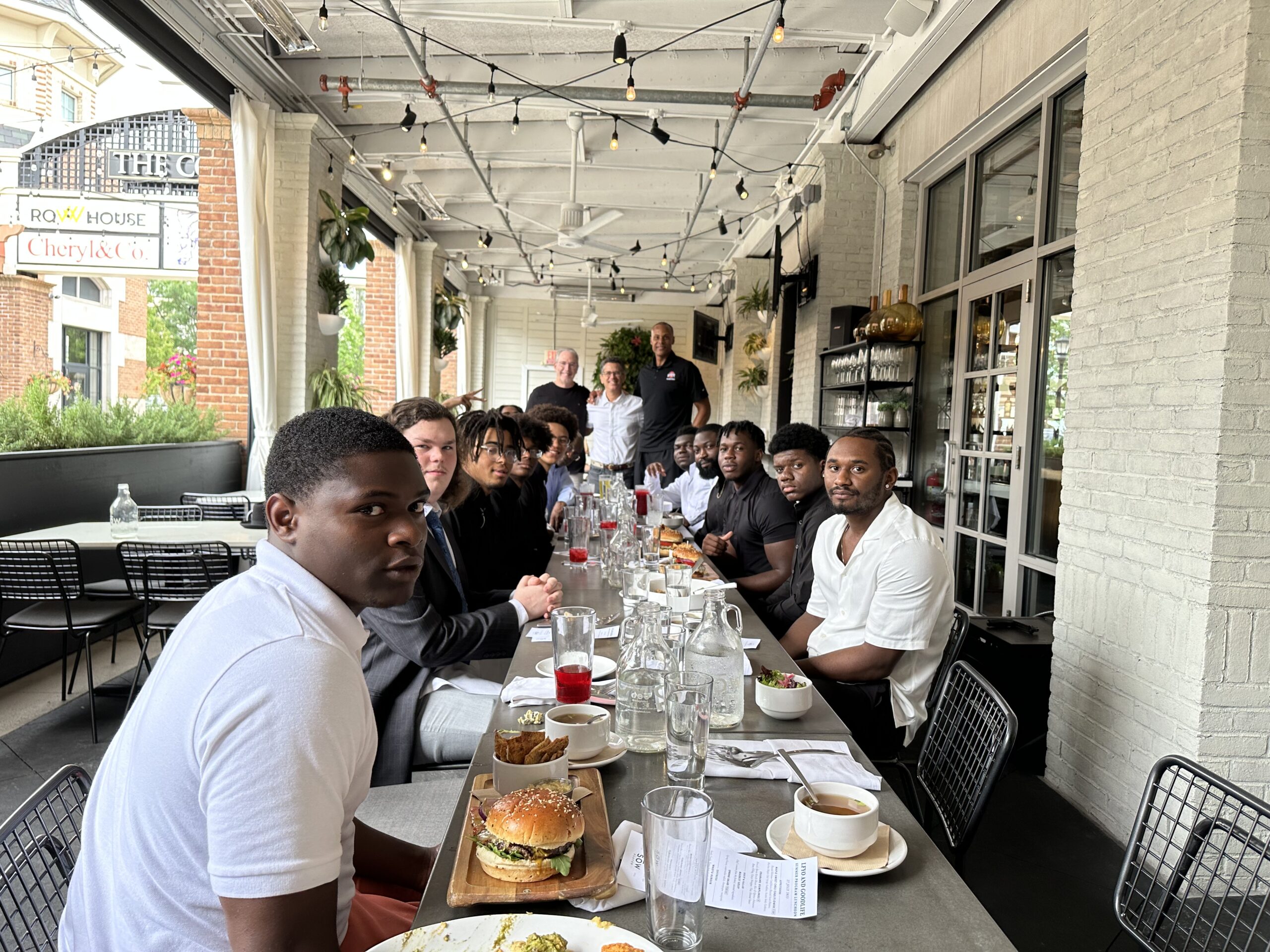
The Mr. Fundy’s Stock Pro Game was the perfect segue for the next item on the day’s agenda, a lesson in fine-dining etiquette at my (and Monya’s!) favorite restaurant here in Central Ohio — Sow Plated. As frequent patrons, the food is reasonably priced, exquisitely prepared, and exceptionally beneficial for the brain, body, and belly. And as mental health challenges engulf our society, sound nutrition can (and should) play a large role in alleviating them. “Real food” — what’s served at Sow Plated — is the medicinal remedy to combating the harmful side effects of “fake foods.” Located in Upper Arlington, this was the first time many of the young men had ever visited this part of town. Think about that for a moment. Now to the five courses served on July 27th. The first course, appetizers, included maple sweet chili cauliflower and edamame dumplings. Yummy! The second course, a savory market soup with seasonal ingredients. The third course, a delicious spring salad. The fourth course, a wagyu burger, mediterranean bowl, or teriyaki bowl as the entree. The fifth and final course, a flourless cacao cake for dessert. Am I making you even more hungry? Founder and owner, John Fahlgren, discussed his heartwarming story with the group as a West Virginia native. He echoed a recurring theme that I’ve highlighted throughout with the young men: “The best investment you can make is in yourself.” They nodded in agreement while feasting on a nutritious meal, unforgettable experience, and the words of wisdom from an incredibly generous host.
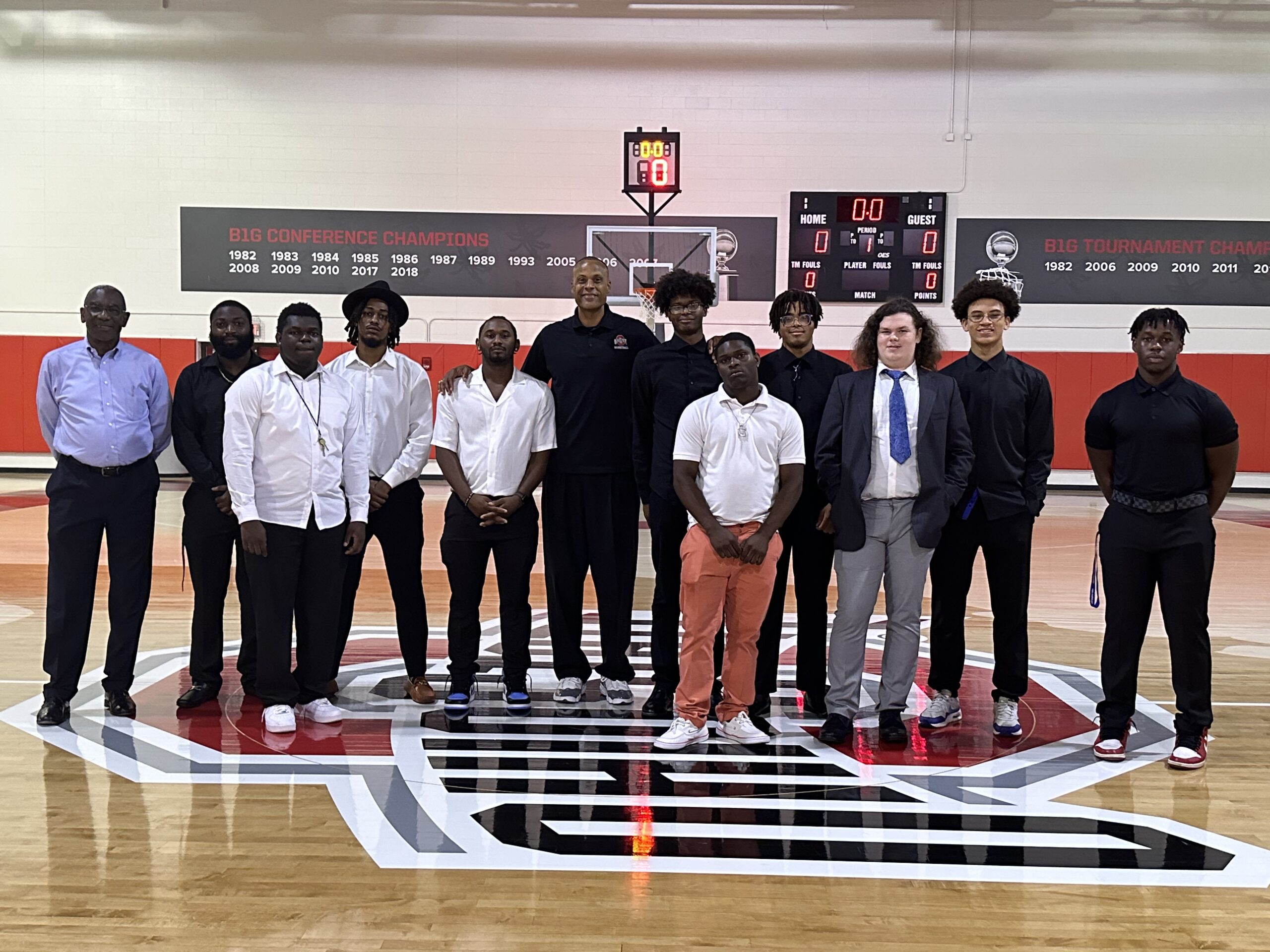
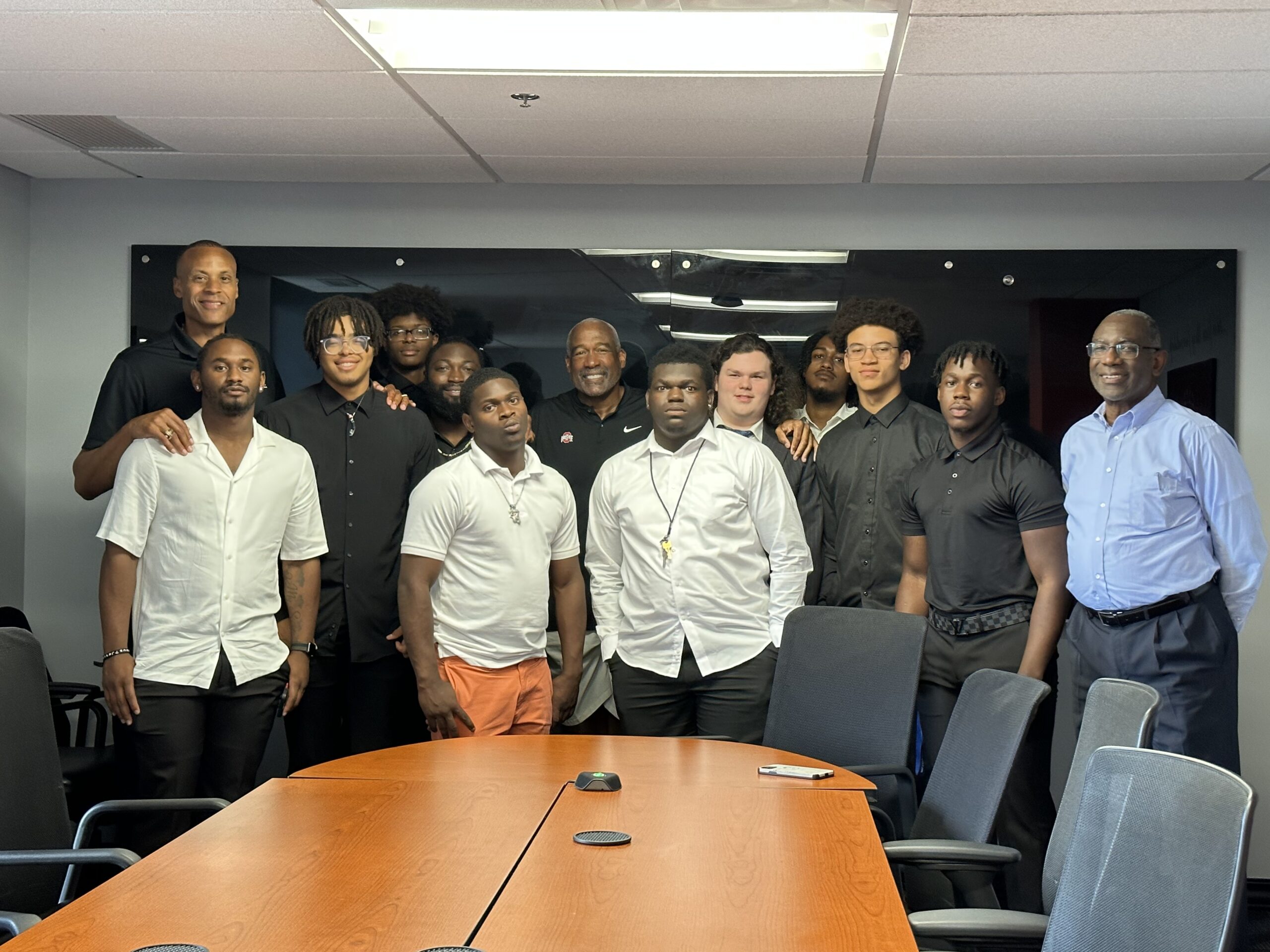
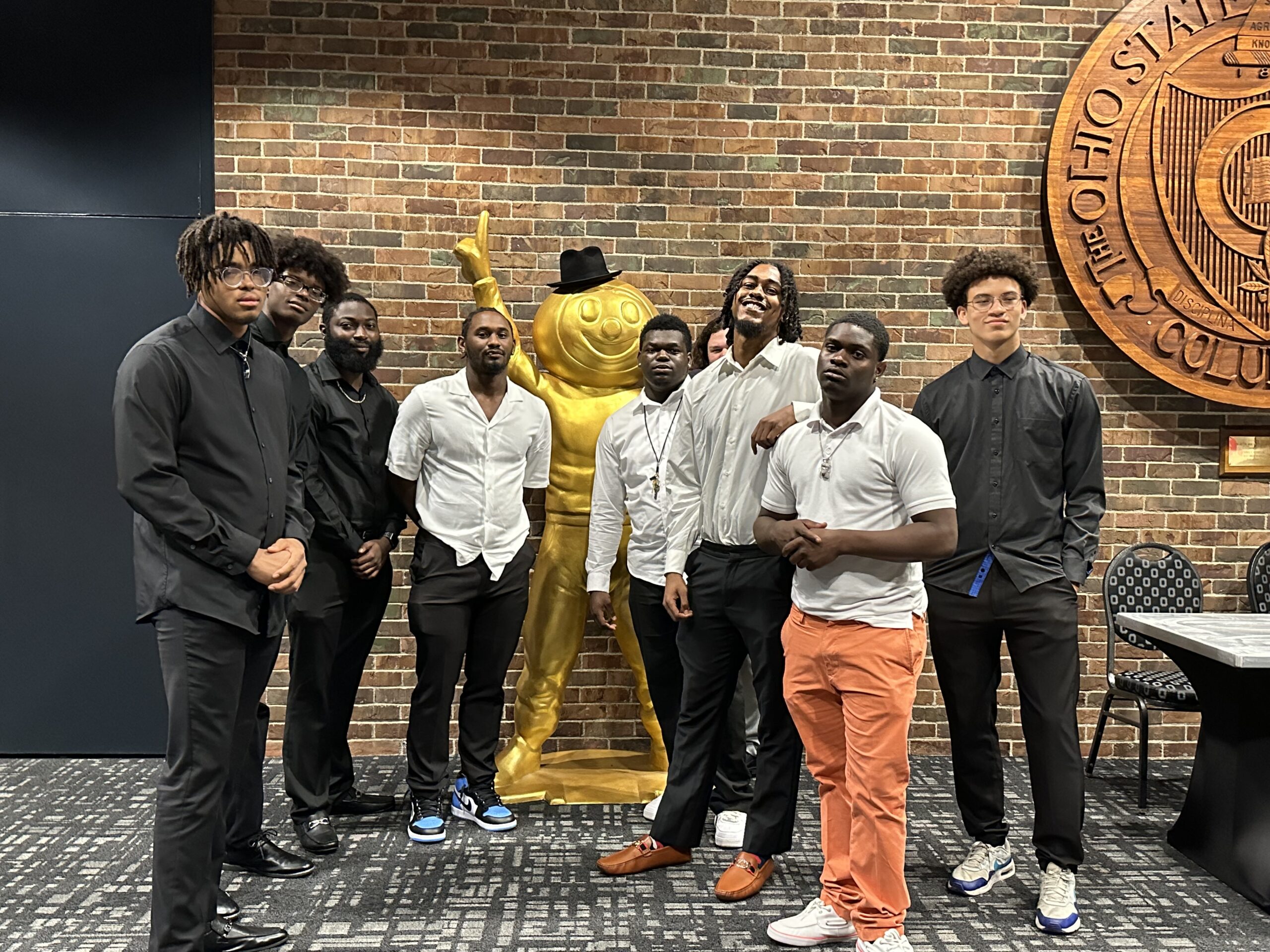
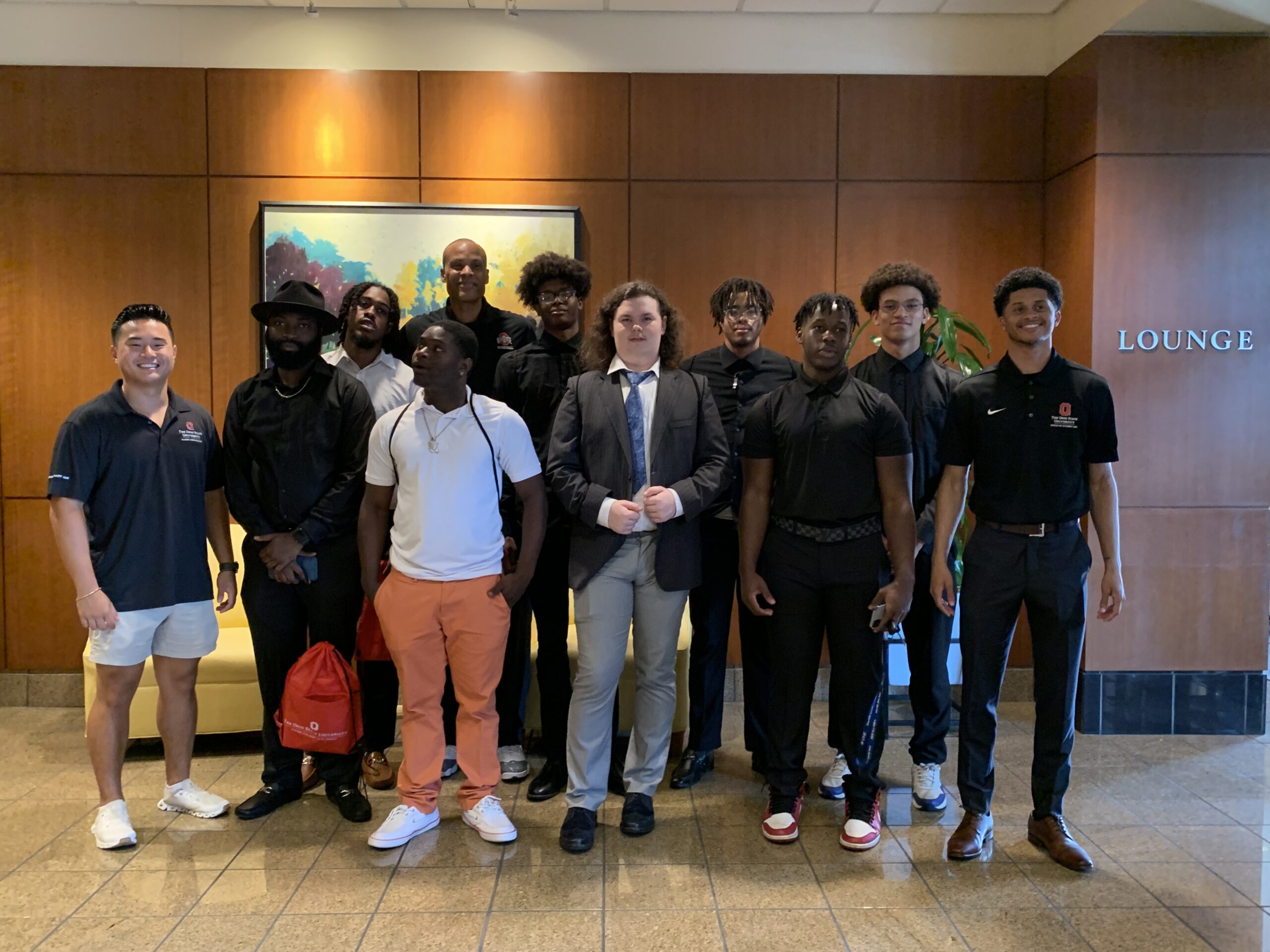
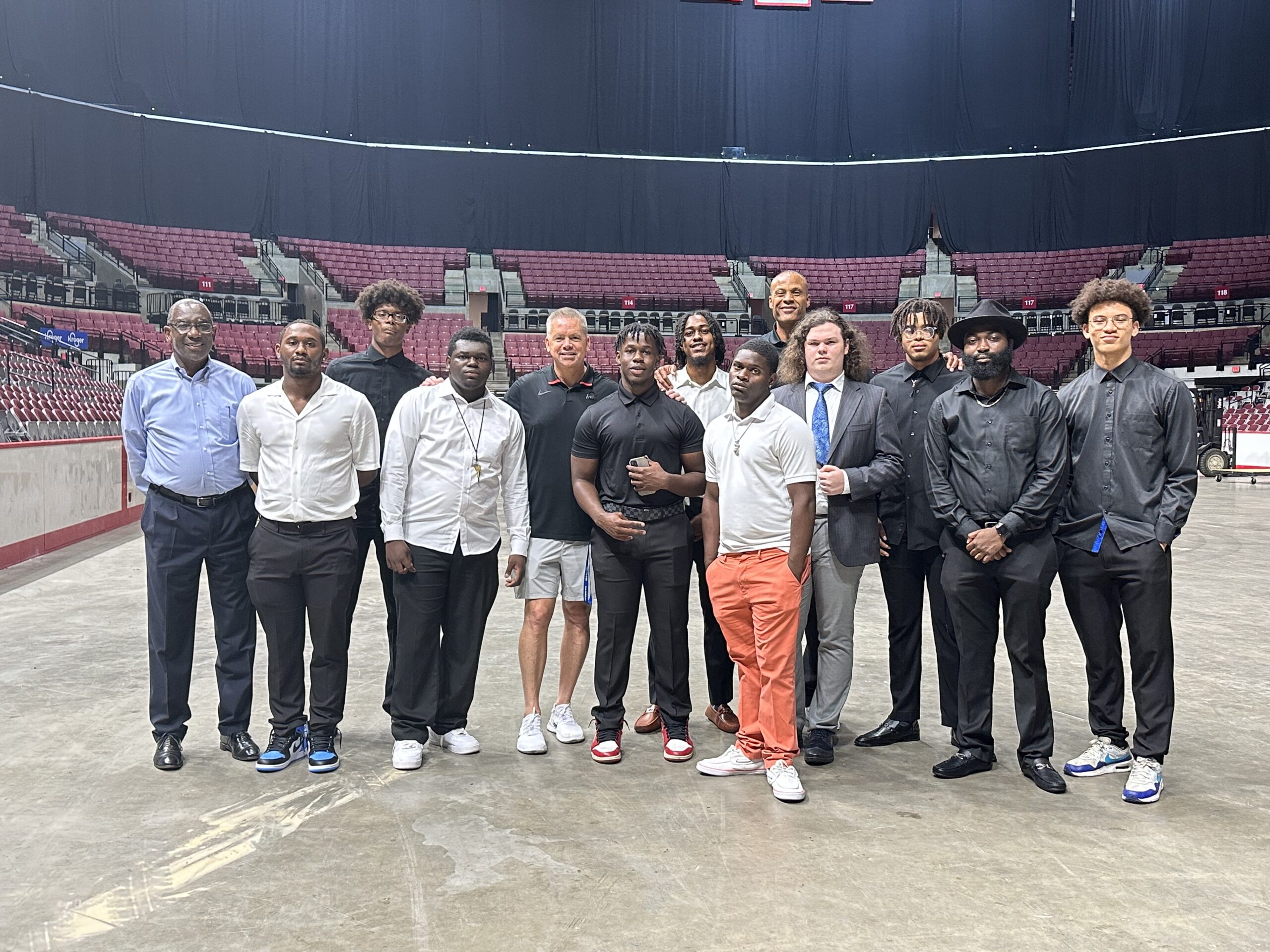
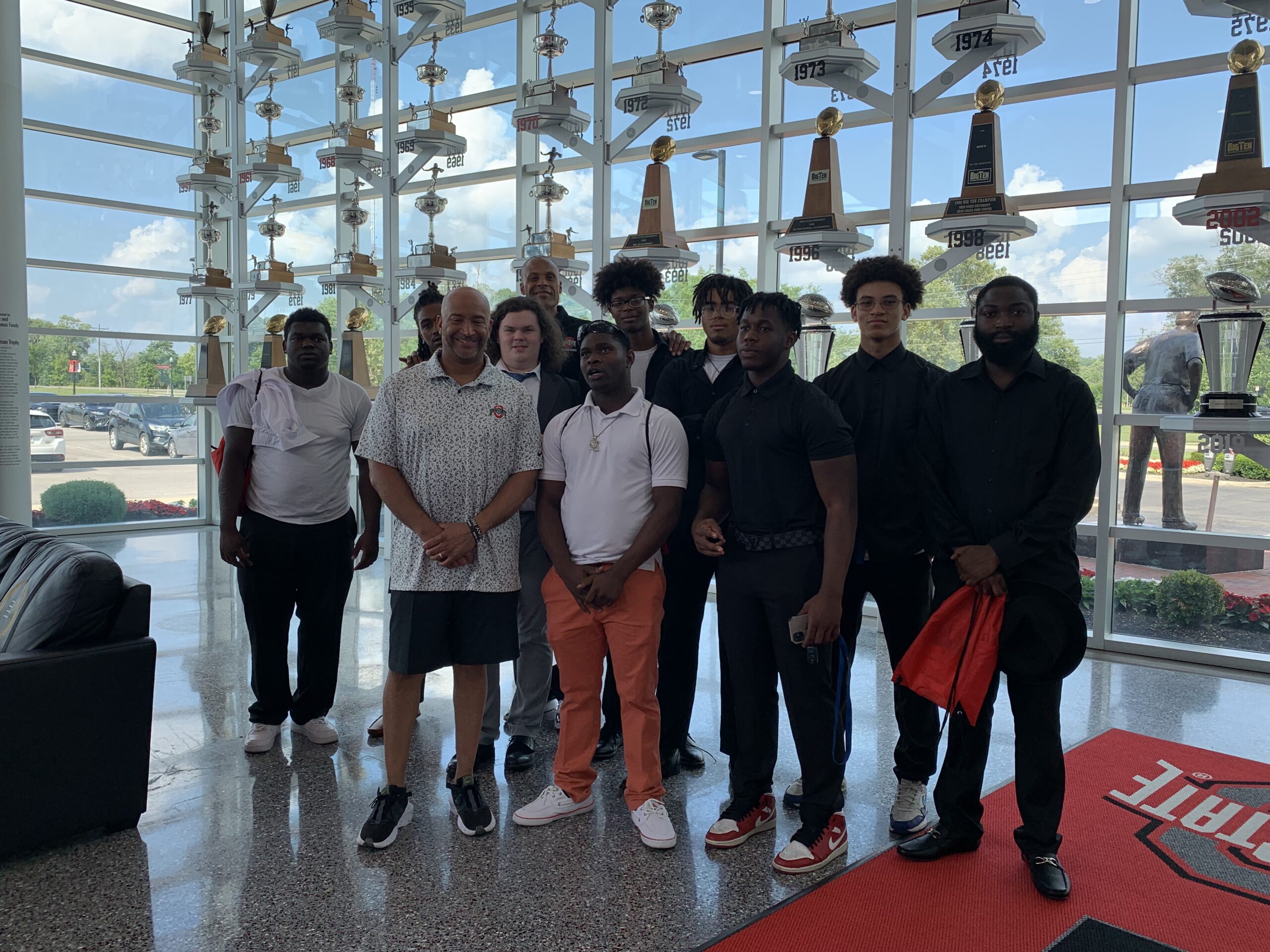
Next up was a surprise trip (like Sow Plated) to The Ohio State University. Unbeknownst to them, the visit included a sit-down discussion with Athletic Director Gene Smith for 45 minutes and private tours of Fisher College, Schottenstein Arena, and the Woody Hayes Athletic Center. Smith discussed his blueprint for success with the young men, including lessons learned as a young and seasoned athletic director in Division I sports. His humility and transparency in sharing sensitive information mesmerized all in attendance, including me. Arguably the most decorated Division I AD in America, Smith carved out time in his busy schedule to help our young men pave their life path. Two recent Fisher College graduates and current ambassadors, Julian Slate and Caleb Suh, provided our group with a tour of the OSU School of Business. Given their close age to our young men, this helped tremendously as attention spans never waned. Polished and poised, Slate and Suh represented Fisher College well in both word and deed. I am certainly proud to be a Fisher alum!
We toured Schottenstein Arena, including the Hall of Recognition for men’s and women’s basketball players who wore the scarlet and grey uniform. We stepped onto the practice court of both the women’s and men’s teams. We were then treated to a lively meet-and-great with Chris Holtmann, the men’s head coach. He encouraged our young men to see the positive even in the midst of difficult circumstances. Our last stop at O State was the Woody Hayes Athletic Center, so named after the iconic legend who admonished all of us “to pay it forward.” Former OSU great and current defensive backs coach, Tim Walton, treated our group to an amazing tour. The national championship trophies, wall of NFL draft jerseys, and prized football legacy captivated their (and my) attention. We walked onto the in-door practice field and met Lathan Ransom and Denzel Burke, two OSU top-rated defenders. We even shot some hoops on the basketball court adjacent to the practice field. Yes, I had to show the group that I could still play — a true baller never retires. As we exited, Walton shared, “It was such a blessing to have you visit the facility. This experience might have made your day, but you made mine.” A first-class coach representing a top-tier university. Go Bucks! Stay tuned for Week Eight.
Sow Plated
OSU Athletics
Fisher College of Business
Related Articles
Nothing found.