2025 Fundraising Luncheon Email and Social Media Blast #2
The LFYO Fundraising Luncheon Is Just Over Two Weeks Away
Let’s Talk for Real as Our Children Head Back to School: Why Do Inner-City Youth Struggle in Math and English Language Arts?
LFYO’s Business Partner in Focus



The road ahead for vulnerable youth is fraught with pitfalls, detours, and hazard signs; they just don’t know it yet. If they can’t “get math” early in life, then they’ll likely struggle financially later in life. And when underprivileged students are tripped up by the Queen’s English in childhood — failing to sell in to grammar excellence because they’re too worried about being labeled sell outs — this will often lead to economic setbacks in adulthood. Credit might be extended to them from an unscrupulous or even trustworthy financial institution, but will they read the terms and conditions that apply before signing on the dotted line? Probably not. Granted, their never-ending emotional crisis doesn’t provide them with any breathing room; the treadmill of generational poverty is missing a turnoff switch. There’s also a good chance they’ll find themselves on the wrong end of the compound interest stick, the one that is brutally painful to those being hit in the head by exorbitant fees (think payday loans and scarcity taxes) while members of the unbanked community. The arbiter of their cruel fate? Mr. Statistics. His firmness can be debilitating and fairness quite liberating when one’s socioeconomic status is under the microscope. That’s why it’s so important to help inner-city youth bend the odds of academic success in their statistical favor. For momentum’s sake, the earlier the better because time is truly running out for them.
Showing Up, Checking Out
There is a growing contingent of high-need students who are showing up to school but checking out on productive learning. In the fourth and fifth grade. Not good. Decades ago, at-risk youth would at the very least stay the course up to (and through) ninth or tenth grade. Few dropped out before this exhaustion checkpoint. And when school becomes a drain in our modern world for those on the fringes of society, minds began to drift as disinterest takes root. If you’re familiar with today’s version of urban education, the offshoots of academic drift are easy to spot. Blank stares. Heavy eyes. Incessant yawns. Slouched torsos. Indifferent demeanors. Pessimistic attitudes. Antagonistic behaviors. Lackluster efforts. Incomplete assignments. Perpetual excuses. The list of telltale signs is practically endless. Now, being present in the moment has its advantages when you’re focused on a current task at hand. However, it becomes problematic without any sense of urgency for your future wellbeing and personal growth. You know the drill: Those who fail to plan, plan to fail. Why? Because they rarely look ahead to connect the down-the-road, aspirational dots. It’s not entirely their fault of course, but many underprivileged students often make the mistake of living every second of each day for the moment. Without vision though, life becomes a meaningless voyage. Wasted opportunity, squandered potential. What a tragedy, and this is happening under our watch!
In 2024, LFYO’s annual theme centered on closing financial gaps across social class categories. This year, our focus is on bridging the fifth-grade academic divide through personal finance concepts and real-world applications that align with the Ohio Department of Education’s content standards for public and charter schools. So, what is our methodology to pull this off? Address the educational gaps by upgrading their mental maps. On the math side, among others, the following areas have been stumbling blocks for inner-city students in fifth grade: solving multistep algebraic equations; understanding and identifying place values as powers of 10 (whether moving to the right or left of the decimal sign); following the correct order of operations using the PEMDAS acronym; interpreting data and making logical inferences; and finally, working effectively with ratios, proportions, fractions, and percentages. On the English language arts side, vulnerable students generally struggle with compare and contrast details in a story; experience tremendous difficulty in determining the meaning of words and phrases as figures of speech (metaphors, similes, and idioms); and often fall short in writing critically and convincingly in a thoughtful manner.

Up Close and Personal: What's Life Really Like in Poverty?
While working with at-risk students over the past 27 years, here are a few observations and explanations for their academic challenges. Both math and English language arts have clearly defined rules. In poverty, subjectivity rules the day, not objectivity. How someone feels is often more important than what’s factually true. Life is typically viewed from a gray lens, not a black-or-white prism. Obviously, an unstable mood has a spillover effect in the classroom and on standardized tests where it’s quite easy to jump to conclusions or take the path of least resistance. It’s my estimation that a disrupted and dysfunctional circadian rhythm system plays a huge role in the struggles of under-resourced students. Think about it. They often live in cramped, chaotic environments with lots of background noise in substandard conditions. Book reading is not prioritized, which contributes to their limited vocabulary and narrow conversation register (typically less than 750 words in their daily communication account). Meal time and bedtime are moving targets, which is why so many of these kids use school to catch up on lost sleep at their desks. Structure and order is often based on fear — as in who barks the loudest threats — or “do what I say without questioning how I live!” With limited finances, paying for tutoring services to close academic shortfalls is out of the question; the “extra money” just isn’t there. Lastly, the present takes precedence over the future. What’s out of sight is usually out of mind. (Although a gifted student academically, I did grow up on welfare in public housing for 18 years with three older sisters. “Ma Dukes” did the best she could to take care of four kids by herself, but poverty’s landscape is hard to navigate for a mom on a solo-parent mission.)
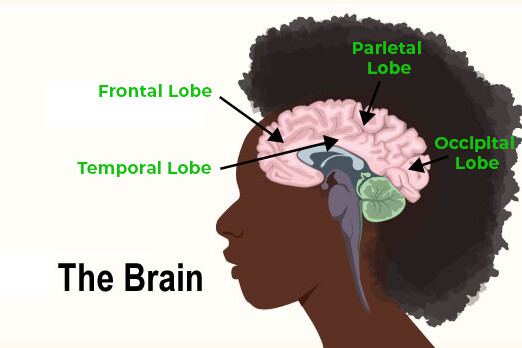
Let’s talk about the brain, a subject I love to discuss as a self-proclaimed neuroscience junkie. Nothing changes academically without an improvement here. I read a study years ago that shook me to the core. The brains of poor kids, middle class kids, and wealthy kids were evaluated based on their neuronal density in the cerebral cortex. Neuronal density is a measurement of targeted brain development. For middle class and affluent children, the findings showed no difference in the four lobes (frontal, parietal, temporal, and occipital). Aside from socioeconomic factors, no cognitive deficits existed between students from blue-collar homes and white-collar households. Their brains were on an even playing field. Poor kids on the other hand, they lacked neuronal density in two brain regions, the frontal and temporal lobes, by a whooping 10 percent! Known as the executive command center, the frontal lobe analyzes data, makes inferences, weighs consequences, regulates impulses, and silences “runaway” fears, among many other responsibilities. Wealthy communities place a huge emphasis on frontal lobe development, which is likely one of the main reasons why they send their children to elite private schools with hefty price tags. The temporal lobe is the hub for learning, remembering, communicating, believing, and balancing. As you’ve probably guessed, mathematical thinking is the domain of the frontal lobe. And English language arts primarily falls under the jurisprudence of the temporal lobe. In the poor kids, their hippocampus (think memory center) shrank while the amygdala (think deep-rooted emotions such as anxiety and fear) grew exponentially. It’s hard to learn when your brain is stuck in fight-flight-fright mode, even in a school-based setting with top-notch teachers. Not surprisingly, impoverished students missed the mark academically in the same brain regions with the most glaring deficits.
Neuroscience News
“The study [Poverty’s Most Insidious Damage: The Developing Brain] in JAMA Pediatrics, by a team of researchers at the University of Wisconsin-Madison, found that low-income children had irregular brain development and lower standardized test scores, with as much as an estimated 20 percent gap in achievement explained by developmental lags in the frontal and temporal lobes of the brain.”
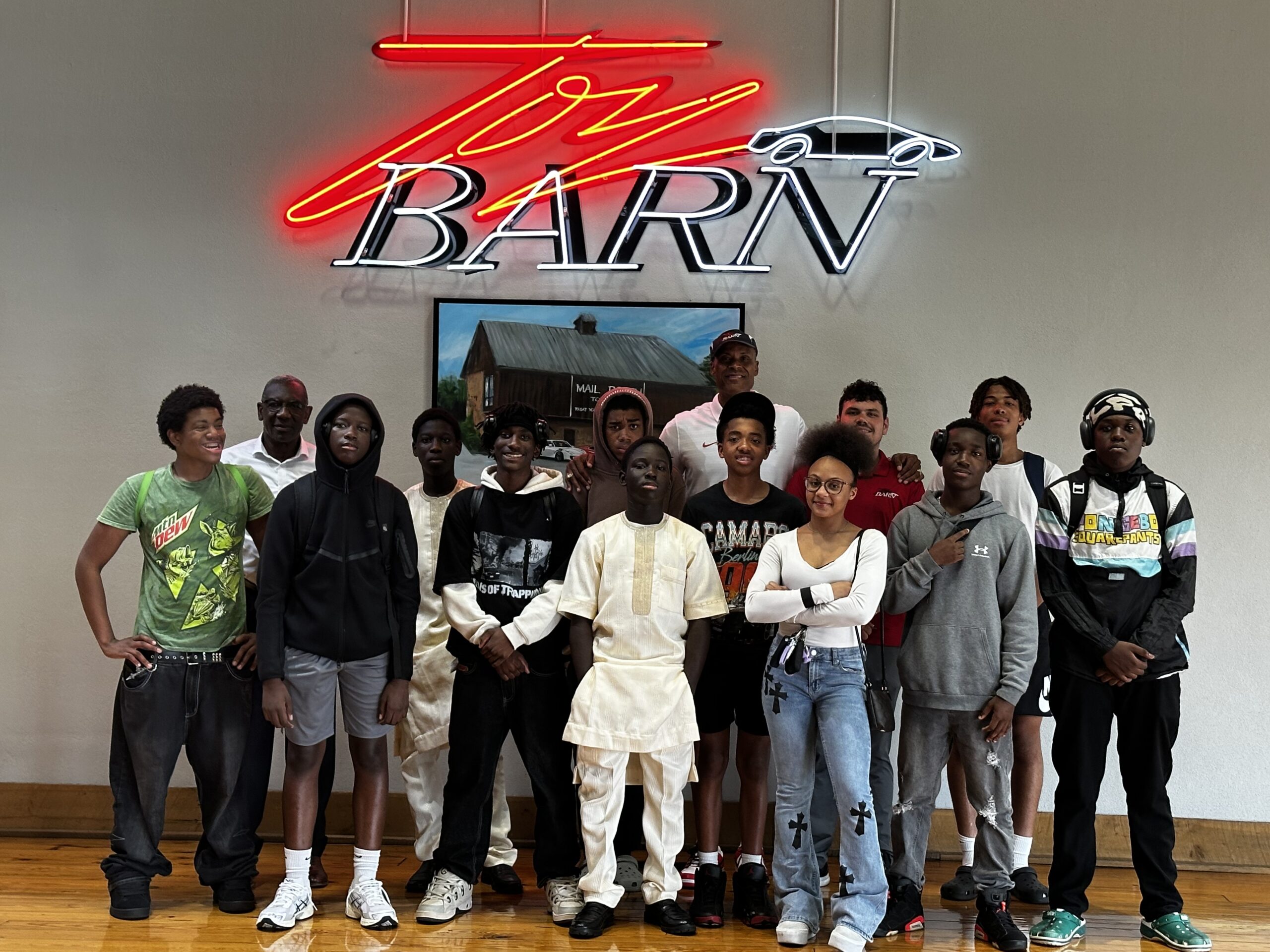
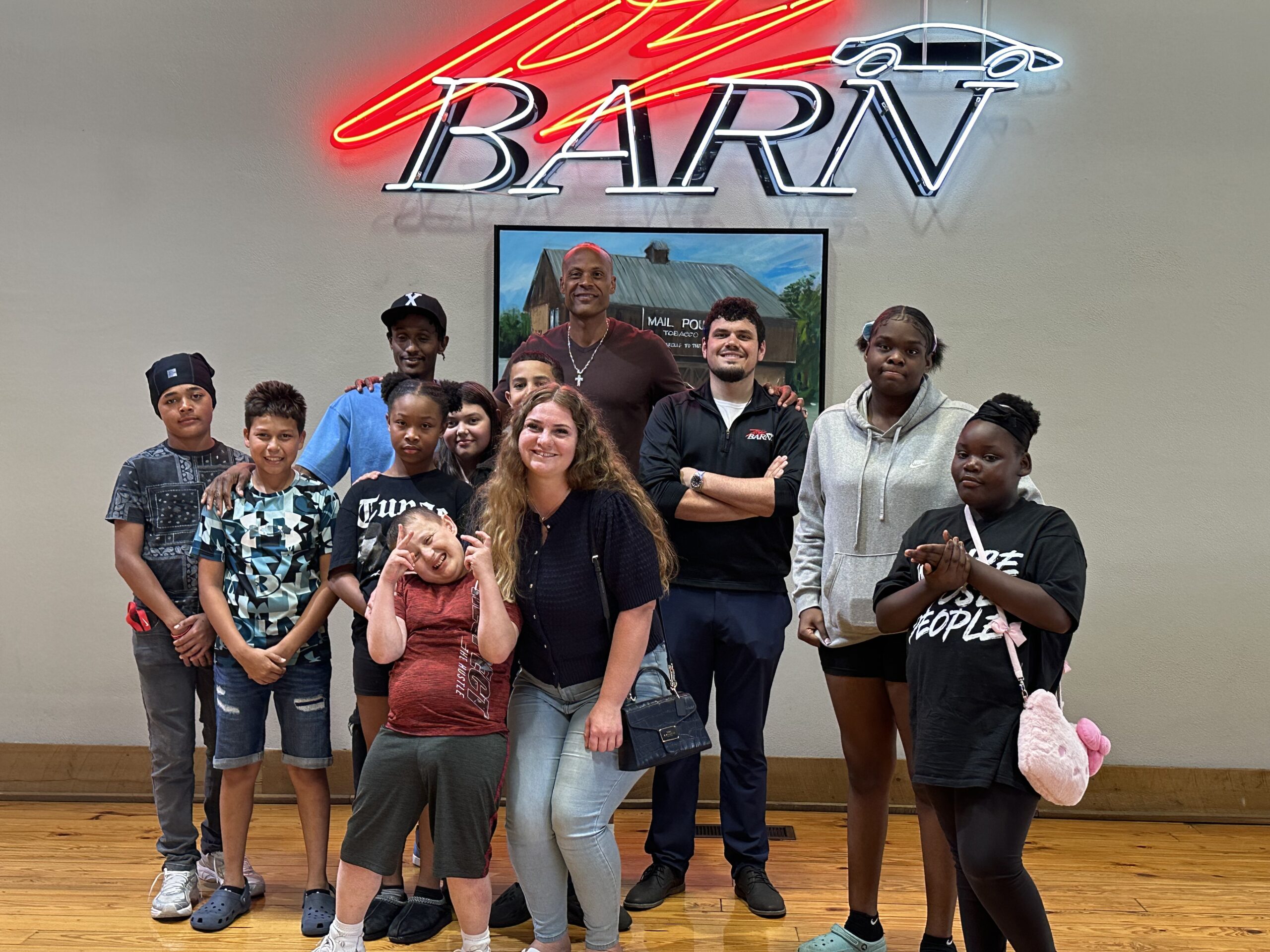
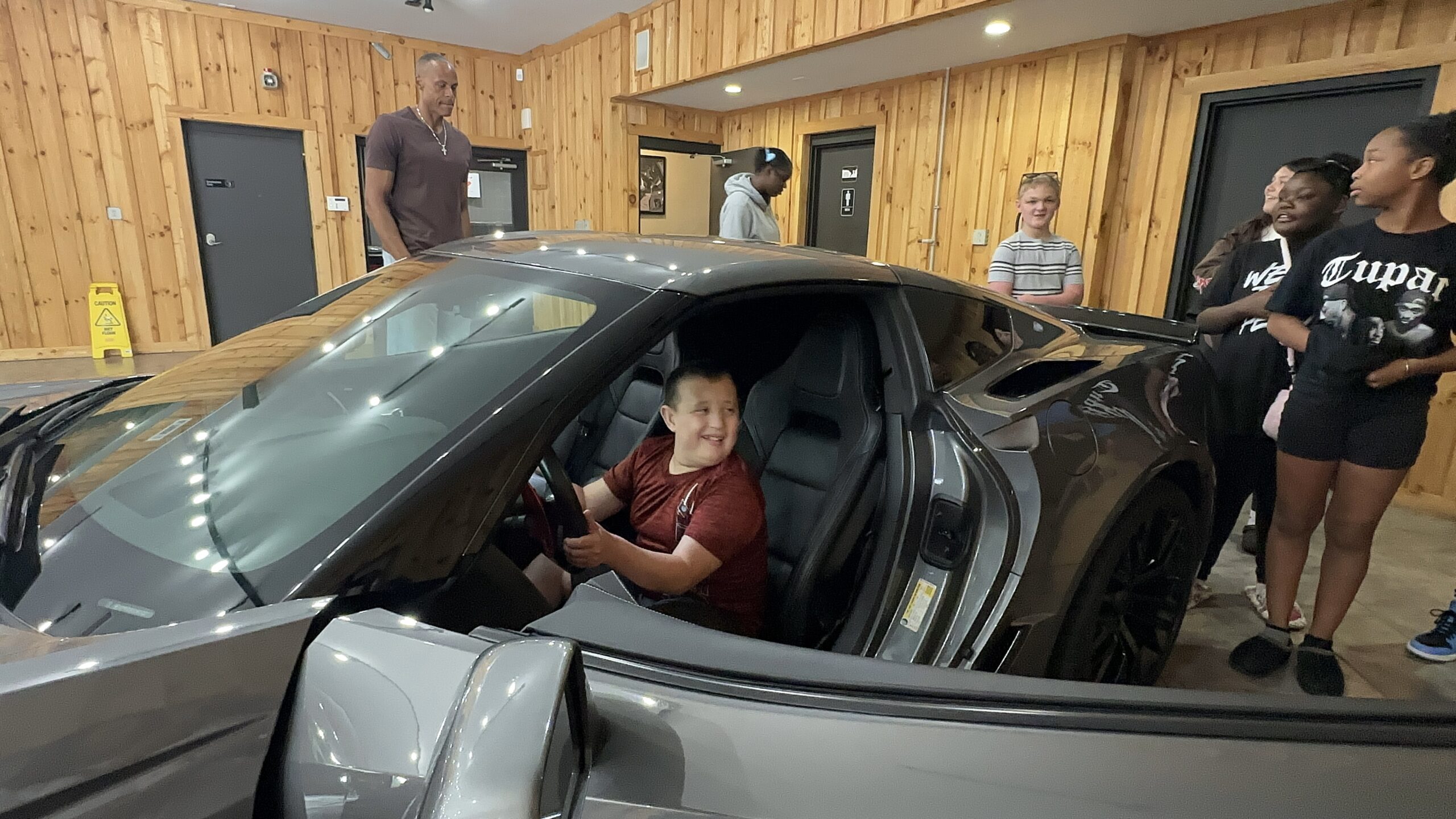
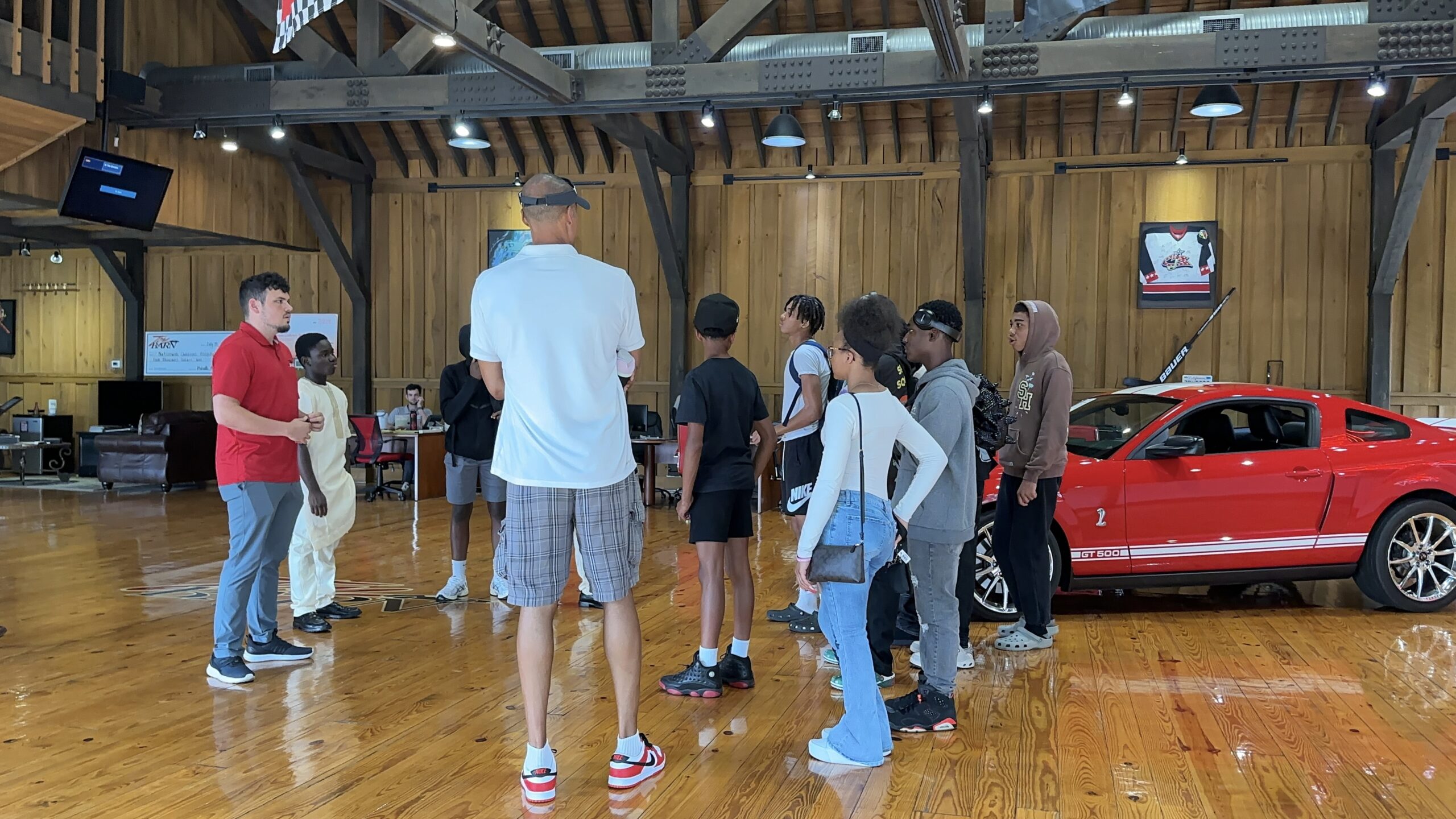
Wrapping up, community partnerships with local businesses have been one of LFYO’s key value proposition drivers. In our current wheelhouse, we are incredibly grateful to have 30 companies that welcome LFYO kids into their establishments. Of course, we need more. In my next article, I’ll discuss how you or your organization can join the LFYO Business Partner Team. For over a decade, Toy Barn Cars and owner Shawn Cunix have provided our at-risk youth with an unforgettable experience (which is the main reason why I buy all of my vehicles from this dealership.) Underprivileged tweens and teens are treated like VIP customers. They even get a chance to sit and take pictures in their six-figure dream cars! What’s more important is the information these young people receive while on the field trip. And yes, all roads point back to reading, writing, and arithmetic. General manager Chris Scott often shares with the group, “A credit score is like your report card.” He adds, “When you have a great credit score, like an impressive report card, a lot of opportunity doors open that would normally stay closed. Make sense?” Scott understands that when you have a captive audience with lives and legacies hanging in the balance, your words of wisdom must resonate with their way of thinking. That’s why LFYO is teaming up with Toy Barn Cars and other Central Ohio businesses to create an app-based financial life skills curriculum that aligns with state academic standards and vulnerable students’ interests. What’s relevant inside and outside a classroom will have a great chance of clicking with disadvantaged children who need every incentive to move forward in life. The investment — however large — is worth it. (To read Shawn Cunix’s incredible story as an entrepreneur and philanthropist, please click the link below.
References
The impact of child poverty on brain development: does money matter?
EEGs show brain differences between poor and rich kids

2025 Fundraising Luncheon Email and Social Media Blast
2025 LFYO Fundraising Luncheon Is Right Around the Corner

The 2025 LFYO Fundraising Luncheon is one month away. We will be celebrating 27 years of service as a nonprofit, having offered empowerment-based initiatives to over 30,000 participants in every inner-city community here in Central Ohio. Our mission is straightforward: To improve the life prospects and legacy pathways of vulnerable populations through targeted programming in the following areas: financial (and nutritional) wellness, physical fitness, personal branding, educational excellence, college and career readiness, mentoring support and life coaching, social and emotional learning (SEL), and brain development exercises for children with developmental disabilities.
In sports, setting the tone for success early in the game improves a team’s chances of achieving a favorable outcome when it ends. That “early start” can segue into sustained, positive momentum throughout the season. What happens when at-risk populations struggle in the first quarter of life? They often scramble to play catch up, swinging for the fences with get-rich-quick schemes to combat poverty’s plight (like playing the lottery), throwing hail Mary bombs down the field when dealing with crash-out meltdowns (to tackle unresolved trauma), or taking long-distance threes, really ill-advised shots, instead of making two-point layups as the opportunity clock winds down (given their limited options at play). As time moves on however, the compounding effects of life quarter mishaps create an even deeper scoring deficit for disadvantaged Americans and their unsuspecting offspring in the process.
At our fundraising event on September 12th, we’ll revisit these sports-based themes by asking a simple question: How can we create a winning game plan that allows every person to succeed on the field of opportunity? In our classrooms. Within our companies. Through our civilities. Keynote speaker and OSU coaching legend, Jim Tressel, will share insights on how those in attendance can make a lasting difference in the lives and legacies of those on the fringes of society. No matter how we vote, where we work, or who we are, the mission is clear. Until the least among us is given the best chance to shine — with a hand-up and not a handout — we can never be satisfied with the current state of affairs. Gaps are getting wider in every area, which means more bridge-builders need to step up. That would be you, me, us.
Take a look at the event details for our fundraising luncheon on September 12th:
First-Half Lineup
11:30 AM — 12:30 PM
Registration, Networking, Hors D’Oeuvres, and Silent Auction
Second-Half Lineup
12:30 PM — 1:30 PM
Lunch, Program Opening Remarks, Guest Speakers, and Closing Comments
Master of Ceremonies: Ahmaad Crump, Cleveland Cavaliers In-Arena Host and Crowd Hype Man


We will have 12 spectacular auction-item packages to bid on. Yes, exclusive packages. Here are a few of them …
Silent Auction Item #1
OSU Basketball Dream Experience
Four-course dinner for 3 with former Ohio State player Lawrence Funderburke before the game at a five-star restaurant, 3 tickets behind the OSU bench to watch the Buckeyes against a top-tier opponent, group picture on the basketball court and a private tour of the locker room after the game, followed by a meet-and-greet with players and coaches. Go Bucks!

Silent Auction Item #2
OSU Gridiron Package in the Shoe
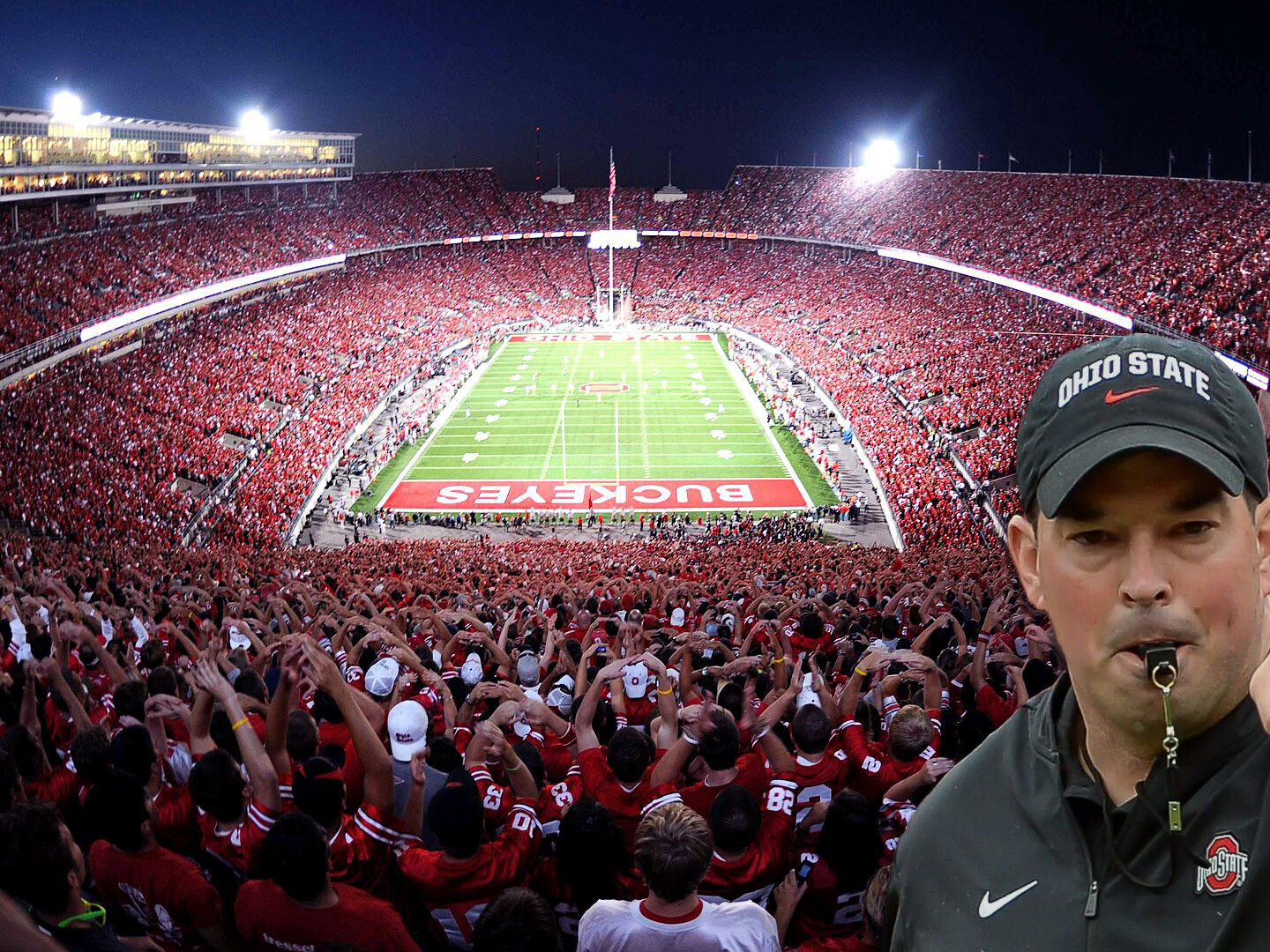
O-H … I-O. Watch the defending national champions play Minnesota at home on October 4, 2025. Noteworthy package includes 4 Fisher Pregame Brunches three hours before tipoff, 4 premium lower-bowl tickets, and an autographed football by former and current Buckeye star players.
Silent Auction Item #3
Fine-Dining Experience with a Super Chef
Enjoy dinner for 8 at your private residence with Chef Jim Warner, a renowned culinary specialist for professional athletes, esteemed dignitaries, and high-profile CEOs. This unforgettable experience includes a delectable five-course meal that is sure to satisfy the eyes and palates of your awestruck guests. Bon appetit!

Lastly, I want to give a special shout-out to our amazing sponsors …
2025 LFYO Fundraising Luncheon Sponsors

Legacy Sponsors
- Maggie and Tom Fleming
- Franklin County Board of Commissioners

Hall of Fame Sponsor
- The Robert Weiler Company

All-Star Sponsors
- Anonymous Sponsor
- Thompson Concrete
- Rebecca and Brandon McAllister
- Advanced Civil Design
- Michelle Moore and David Houze
- Linda and Roger Blackwell
- Monya and Lawrence Funderburke
- Lindsey and Jacob Osborn
- Daniel Levitt
- Ascend Advisory Group

Superstar Sponsors
- Schottenstein Realty Group
- Uckele Nutrition
- Rich Russo Realty
- Autotool Inc.
- Lynnda Maria Davis
- Abby and Andrew Crum
- First Merchants Bank
- Good Nature
- Muskingum County Community Foundation
- Jim Frey Real Estate Advisors, LLC
- Dee Miller (State Farm)
- Jim Haring
- Andrea Oyanadel and Friends
- Buckeye Bank
- Donatos Pizza
- Crimson Cup
- Adam Lewin Foundation/Hamilton Parker
- Aurora Exhibits

LFYO Program Update – May 2024
LFYO Program Update – May 2024
• Columbus Park and Recreation – Teen Impact Program
• GoodLife Skilled Trades Program
• Elv8u Entrepreneurship Program